Scheda Enciclopedia

Alocasia

Alocasia

Elephant Ear African Mask Plant Kris Plant Jewel Alocasia (for smaller species) Giant Taro
Classificazione

Famiglia: Araceae

Genere: Alocasia

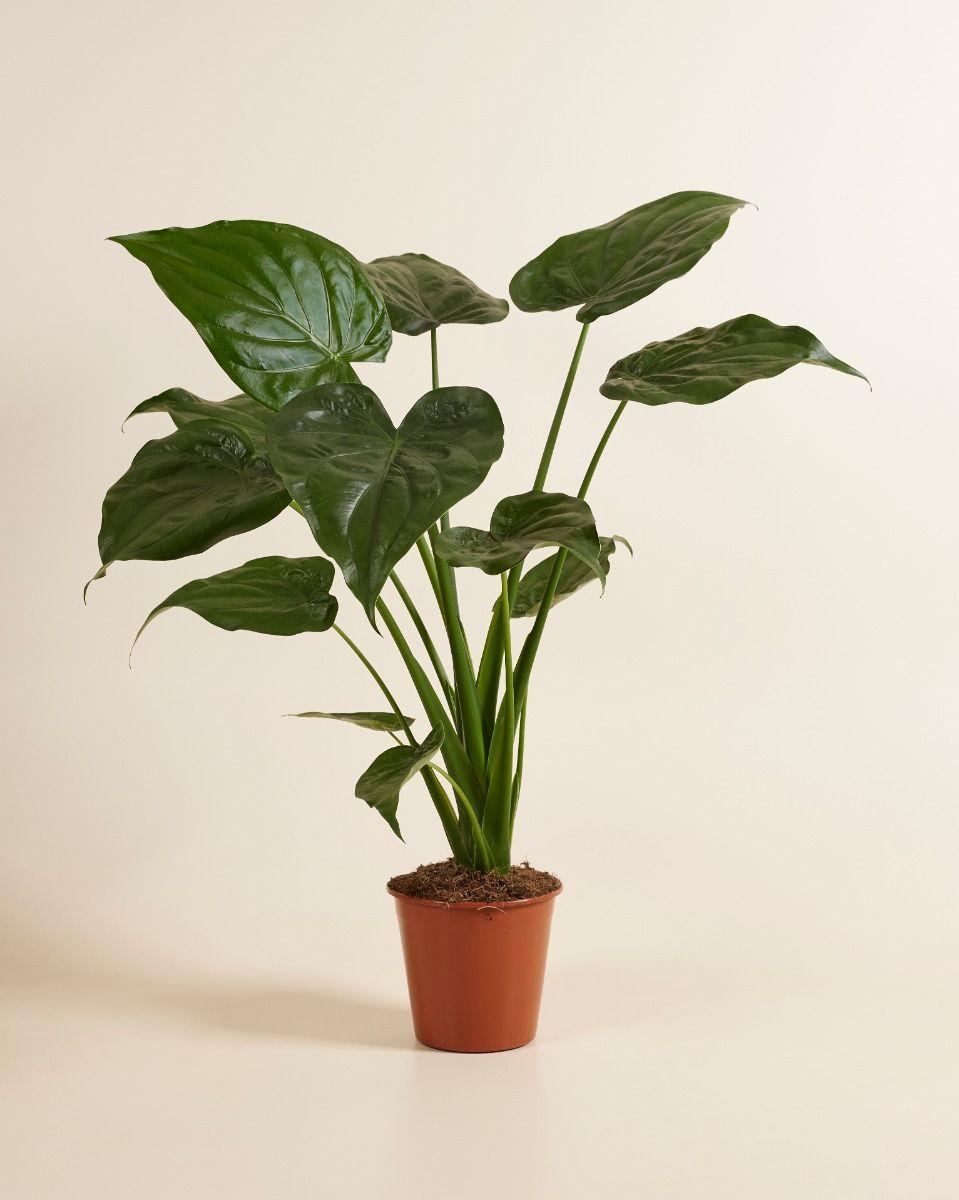
Alocasia, commonly referred to as Elephant Ear or African Mask Plant, is a captivating genus of tropical and subtropical plants renowned for their striking foliage. The genus includes around 79 species, each boasting unique leaf shapes, sizes, and colors. Alocasia plants are prized for their ornamental value and are popular both as houseplants and garden specimens.

Popular Alocasia Species
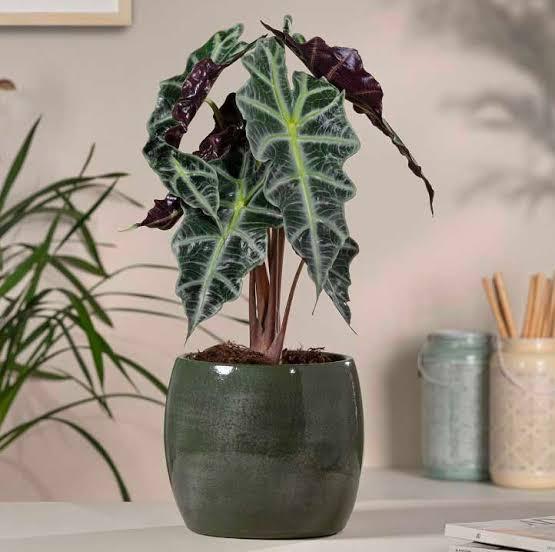
Alocasia amazonica ‘Polly’ African Mask Plant
Features dark green, shield-shaped leaves with striking white veins.
Ideal for indoor growing, prefers bright, indirect light and high humidity.
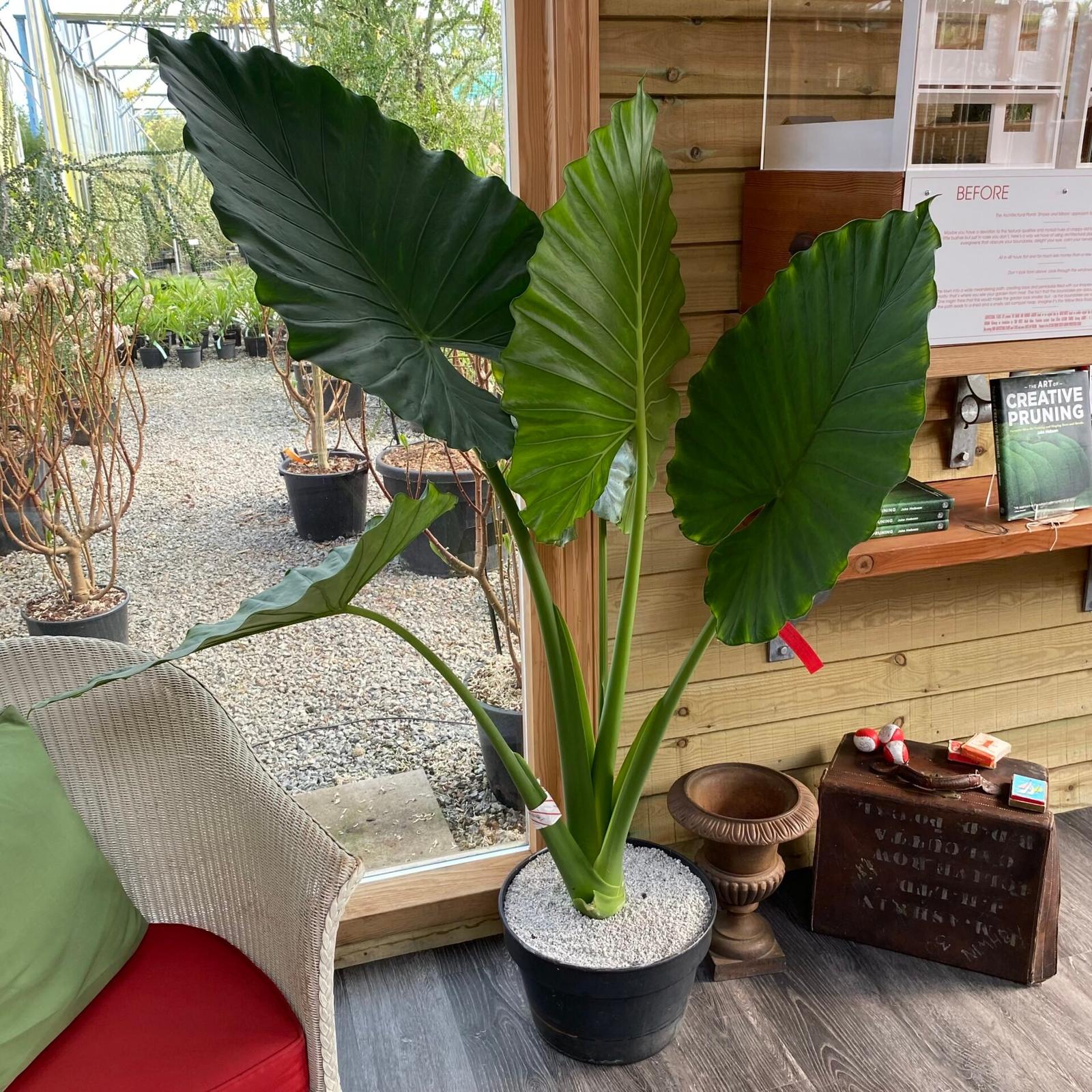
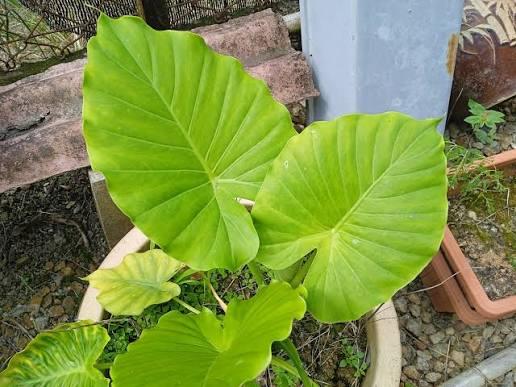
Alocasia macrorrhiza Giant Taro
Known for its massive leaves, reaching up to 3 feet in length.
Thrives in bright, indirect light and warm, humid conditions.
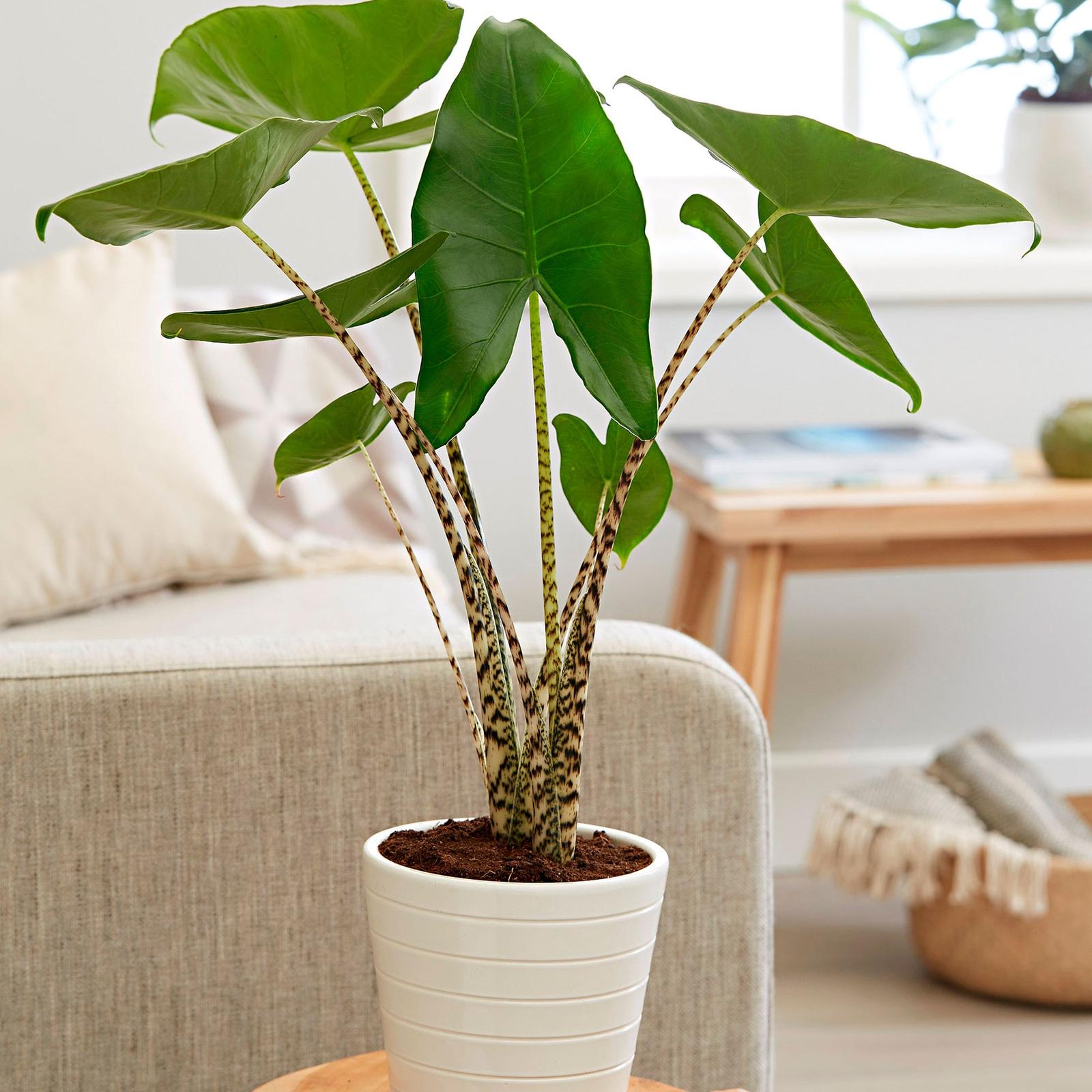
Alocasia zebrina Zebra Plant
Notable for its zebra-striped stems and arrowhead-shaped leaves.
Requires bright, indirect light and well-draining soil.
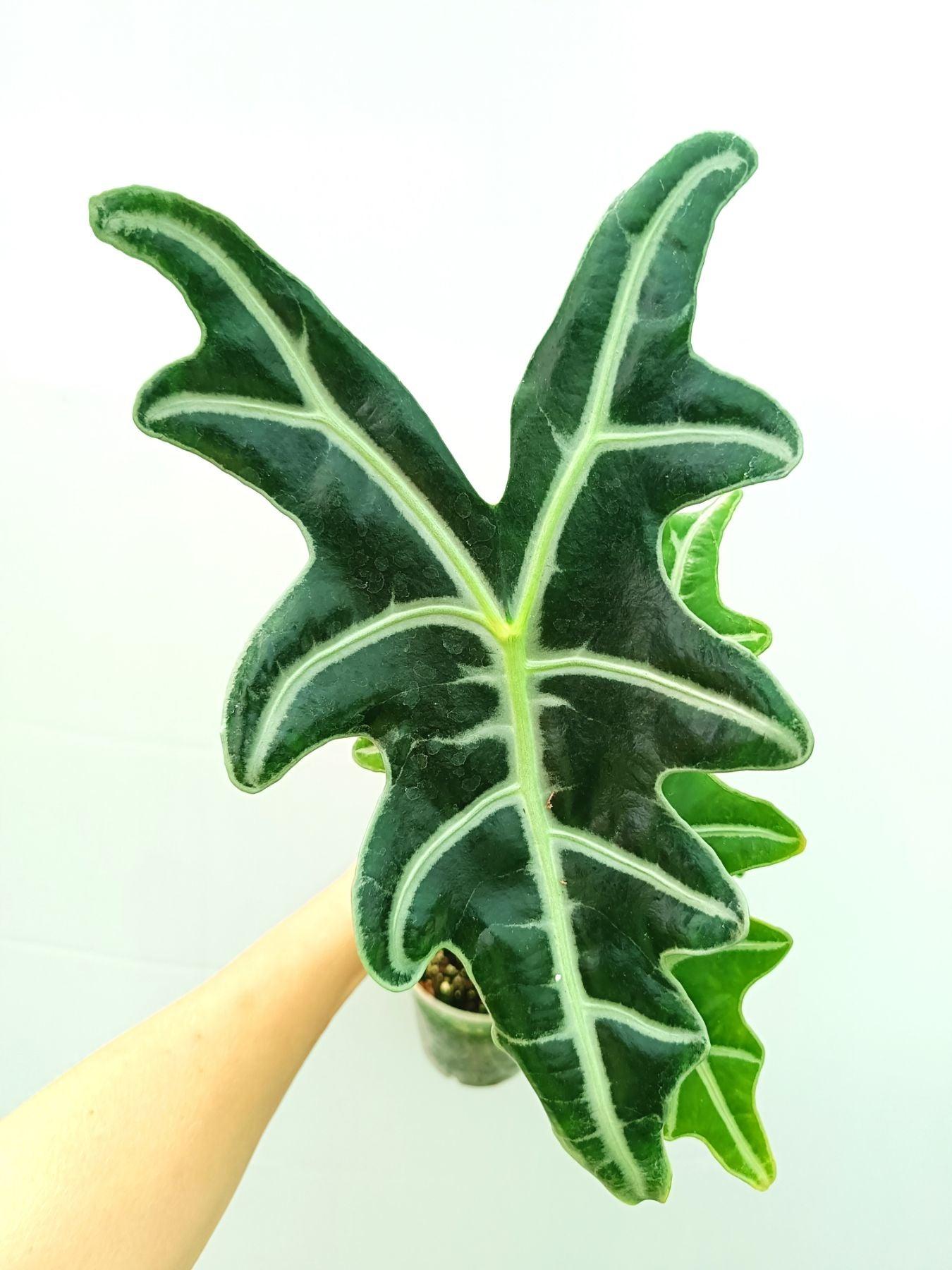
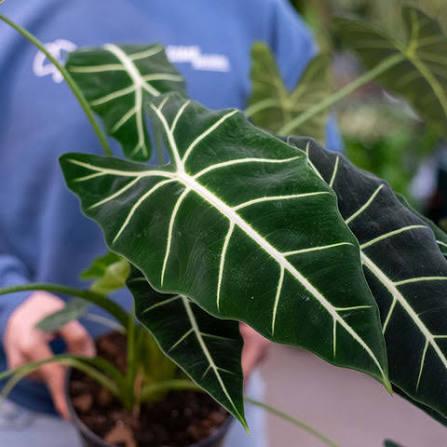
Alocasia sanderiana Kris Plant
Dramatic leaves with a dark green sheen and thin white veins.
Prefers full shade and high humidity.
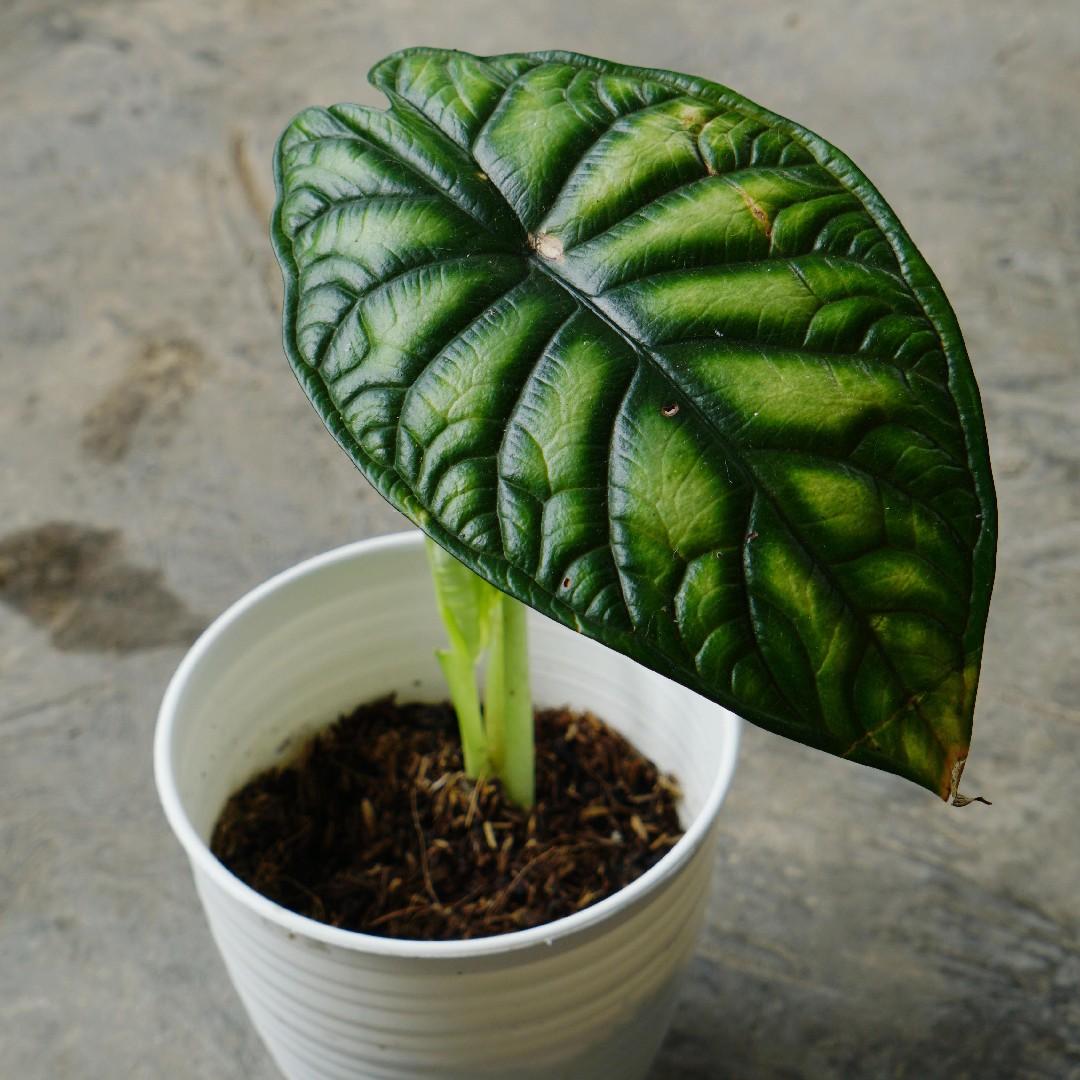
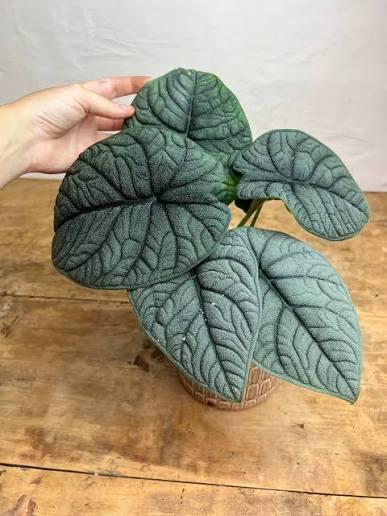
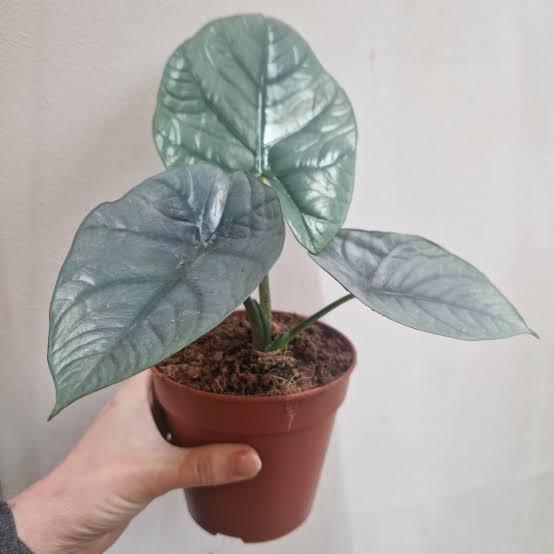
Alocasia baginda ‘Dragon Scale’
Features spectacular silvery-green leaves with deep green veins resembling scales.
Grows best in bright, indirect light and high humidity.
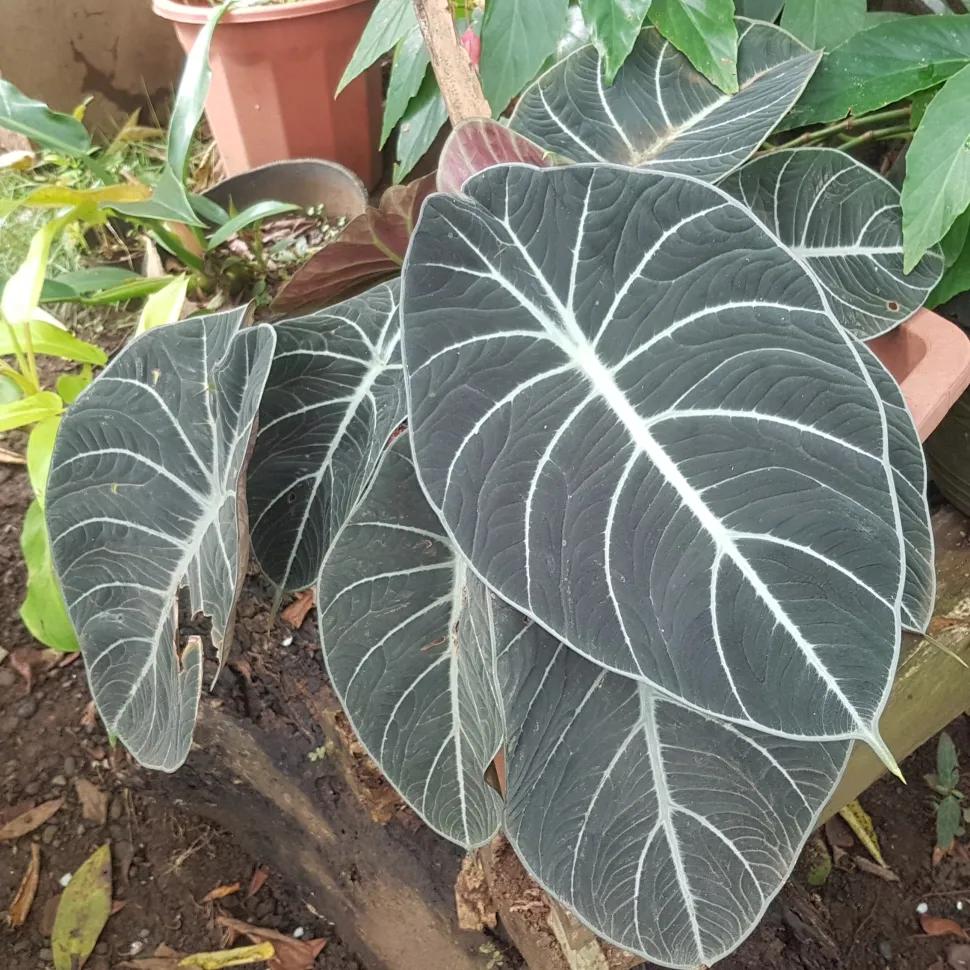
Alocasia reginula ‘Black Velvet’
Has thick, almost-black leaves with silvery white veins.
Ideal for indoor conditions, thrives in indirect light and high humidity.
Alocasia cucullata Hooded Dwarf
Small plant with heart-shaped leaves that grow to different sizes.
Often associated with good fortune and used in Buddhist temples.
Alocasia melo
Thick, ridged leaves that are jade green to bluish-green.
Prefers high humidity and protection from direct sunlight.
Alocasia micholitziana ‘Frydek’ Green Velvet
Velvety dark green leaves with prominent white veins.
Grows well in partial sunlight and requires high humidity.
Alocasia nebula
Heart-shaped leaves with a silvery shade, known for its precise growing needs.
Requires high humidity and bright, indirect light.
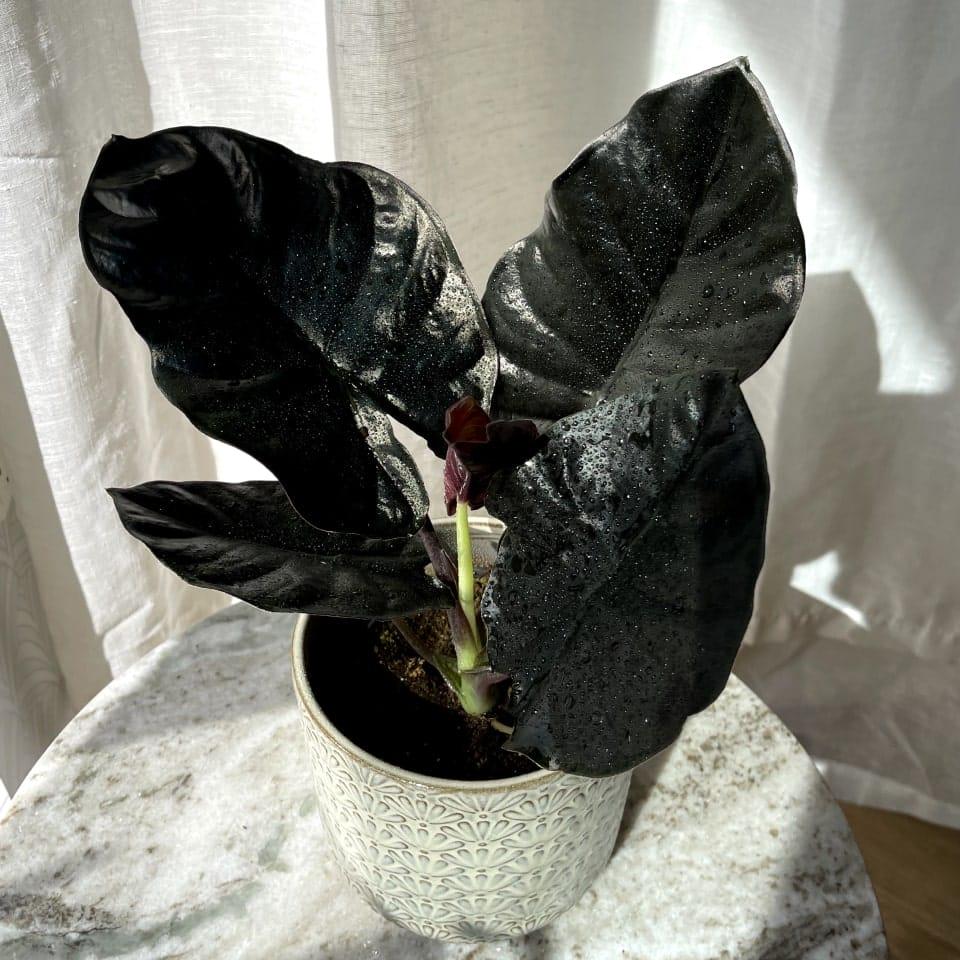
Alocasia infernalis ‘Black Magic’
Metallic purplish-black foliage that deepens with age.
Prefers high humidity and bright, indirect light.
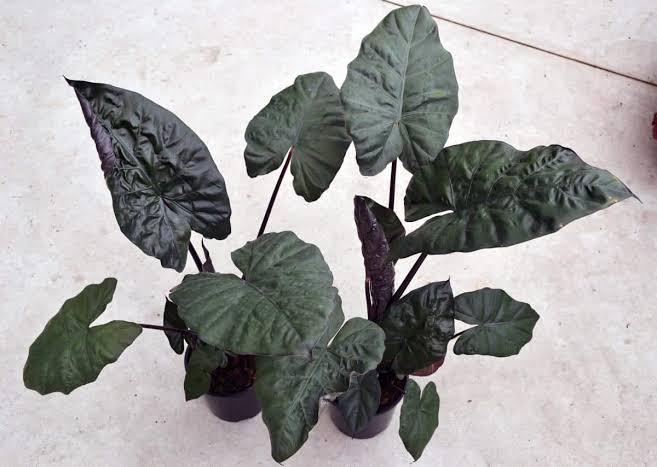
Alocasia plumbea ‘Nigra’ Black Metallic Taro
Deep burgundy leaves that appear almost black with a glossy surface.
Grows well in typical Alocasia conditions with indirect light and high humidity.
Guida alla Cura
Light Requirements

Alocasia plants prefer bright, indirect light. Direct sunlight can scorch their leaves, while too little light can lead to poor growth and dull foliage.

Watering Needs

Keep the soil consistently moist but not waterlogged. Water when the top inch of soil feels dry. Alocasia plants are sensitive to overwatering and can develop root rot if left in soggy soil.

Soil Preferences

Use a well-draining potting mix rich in organic matter. A mix of peat, perlite, and pine bark works well to provide the necessary drainage and nutrients.

Temperature and Humidity

Alocasia plants thrive in warm, humid environments. Ideal temperatures range from 65°F to 80°F (18°C to 27°C). Maintain high humidity levels, ideally above 60%, by misting the leaves regularly or using a humidifier.

Fertilization

Feed Alocasia plants with a balanced, water-soluble fertilizer every 2-4 weeks during the growing season (spring and summer). Reduce feeding in the fall and winter when the plant's growth slows down.

Pruning and Maintenance

Remove any yellow or damaged leaves to maintain the plant's appearance and health. Repot Alocasia plants every 1-2 years to refresh the soil and accommodate growth.