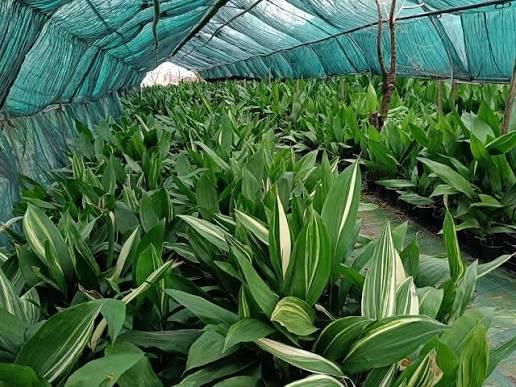
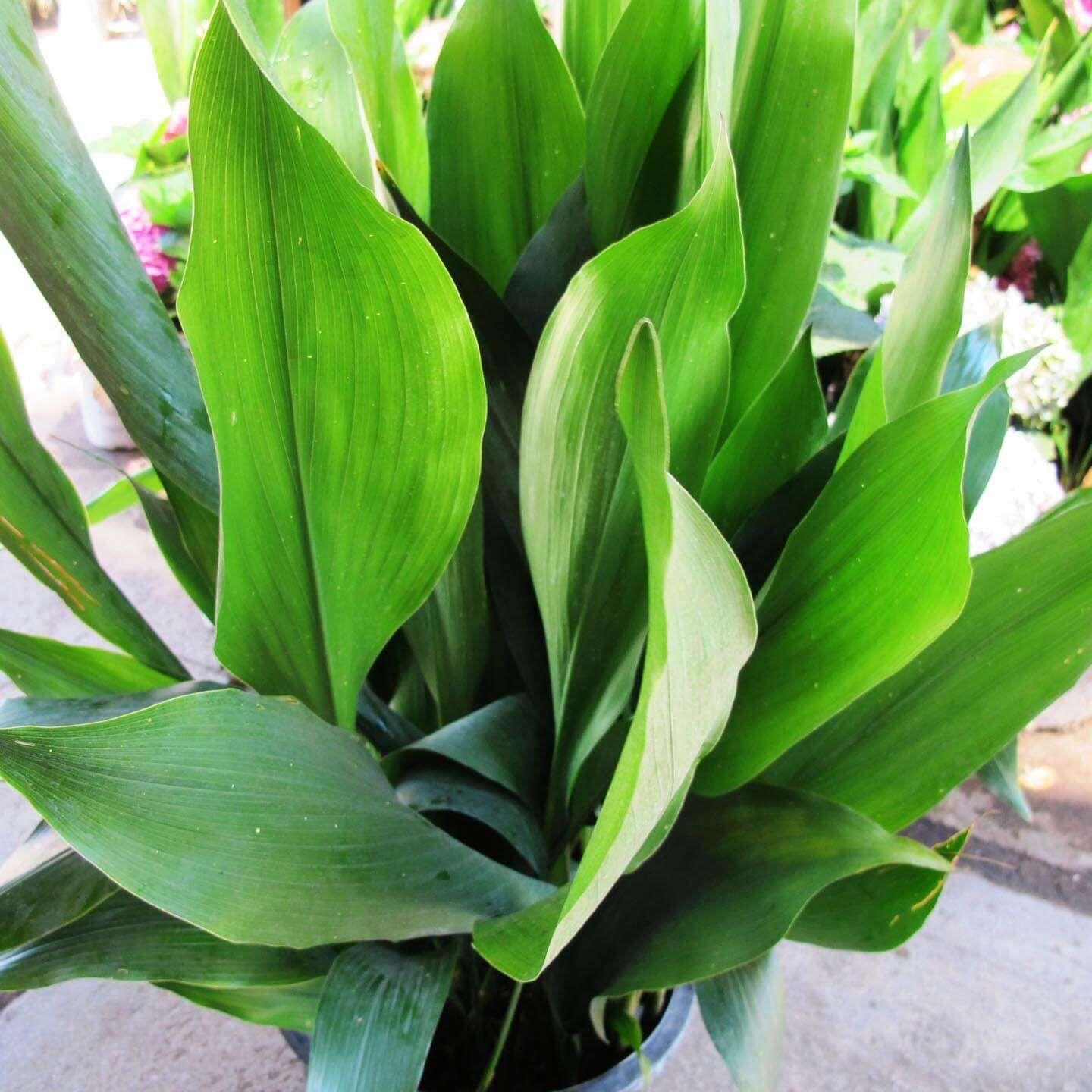
Aspidistra elatior, commonly known as the Cast Iron Plant, is a legendary houseplant celebrated for its extraordinary resilience and tolerance of neglect. Native to Japan and China, this slow-growing perennial produces elegant, glossy dark green leaves and can thrive in conditions that would kill virtually any other houseplant, including deep shade, irregular watering, and temperature extremes.
Popular Aspidistra Varieties
Guida alla Cura
Light Requirements
Aspidistra is the undisputed champion of low-light tolerance. It thrives in deep shade and can survive in rooms with only artificial light. Avoid direct sunlight, which bleaches and scorches the leaves. A north-facing windowsill or shaded interior position is ideal.
Watering Needs
Allow the top half of the soil to dry out between waterings. Water sparingly in winter. Aspidistra is extremely drought-tolerant and will survive weeks without water. Overwatering is the primary risk and causes root rot.
Soil Preferences
Use a standard well-draining potting mix. Adding some perlite or grit improves drainage. Tolerates poor, thin soils well and does not require a rich or organic-heavy substrate.
Temperature and Humidity
Remarkably tolerant of temperature fluctuations from 45°F to 85°F (7°C–29°C). Can withstand brief cold spells and light frost. Average indoor humidity is perfectly sufficient; no special humidity requirements.
Fertilization
Very low fertilizer needs. Apply a balanced liquid fertilizer at quarter strength once every 2–3 months during spring and summer only. Over-fertilizing causes leaf tip burn.
Pruning and Maintenance
Simply remove any yellow or brown leaves at the base with clean scissors. Wipe dusty leaves occasionally with a damp cloth to maintain their glossy appearance. Repot every 3–4 years or when the plant becomes severely rootbound.