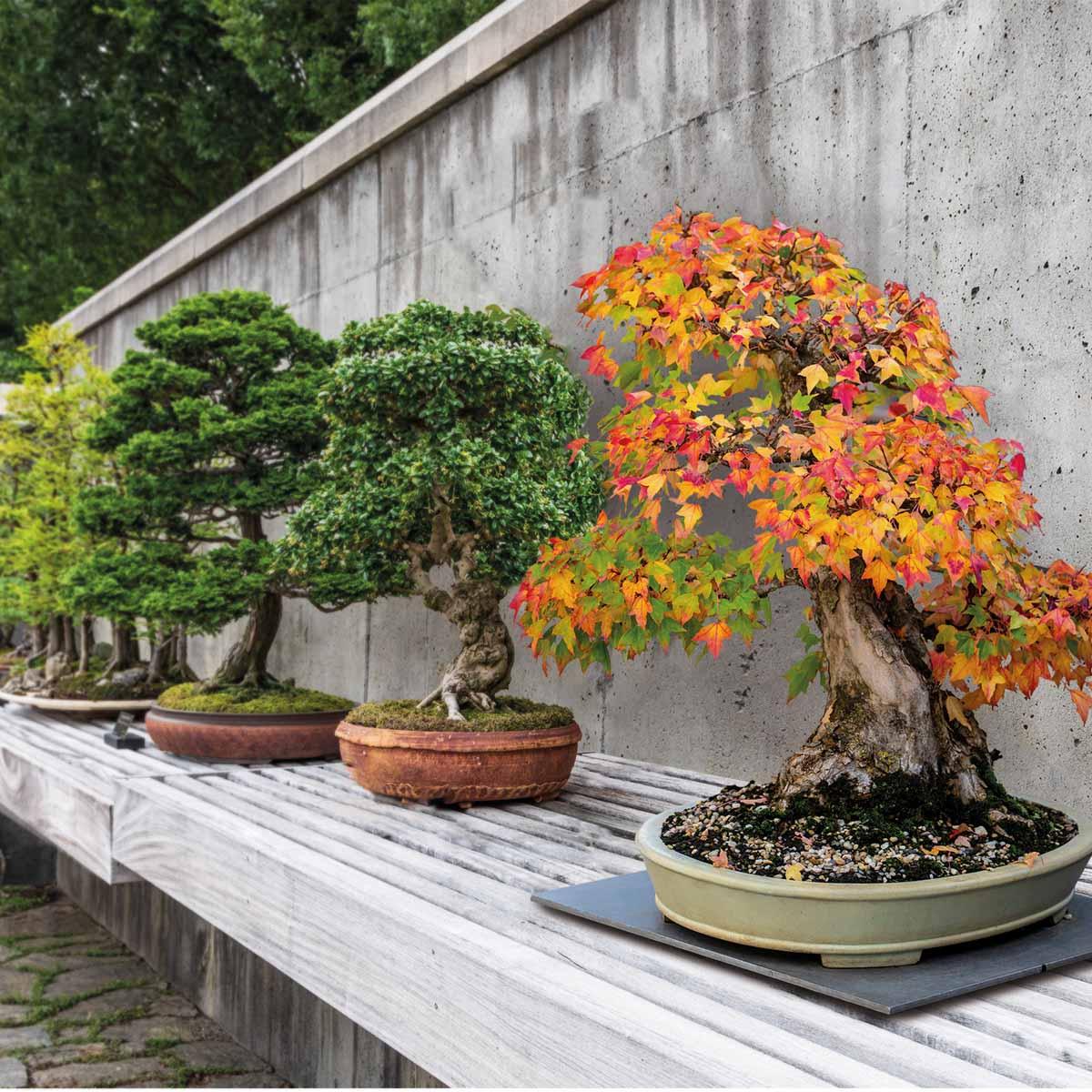
Bonsai, an ancient horticultural art form, involves the cultivation of miniature trees that mimic the shape and scale of full-sized trees. Originating in China and later refined in Japan, bonsai trees are appreciated for their beauty and the meticulous care required to maintain them. This living art form brings nature into homes and gardens, offering a sense of peace and accomplishment.
Popular Bonsai Tree Species
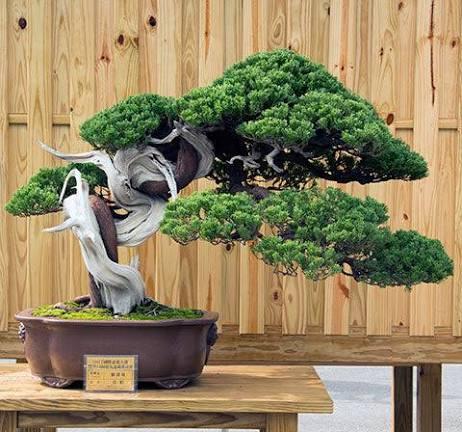
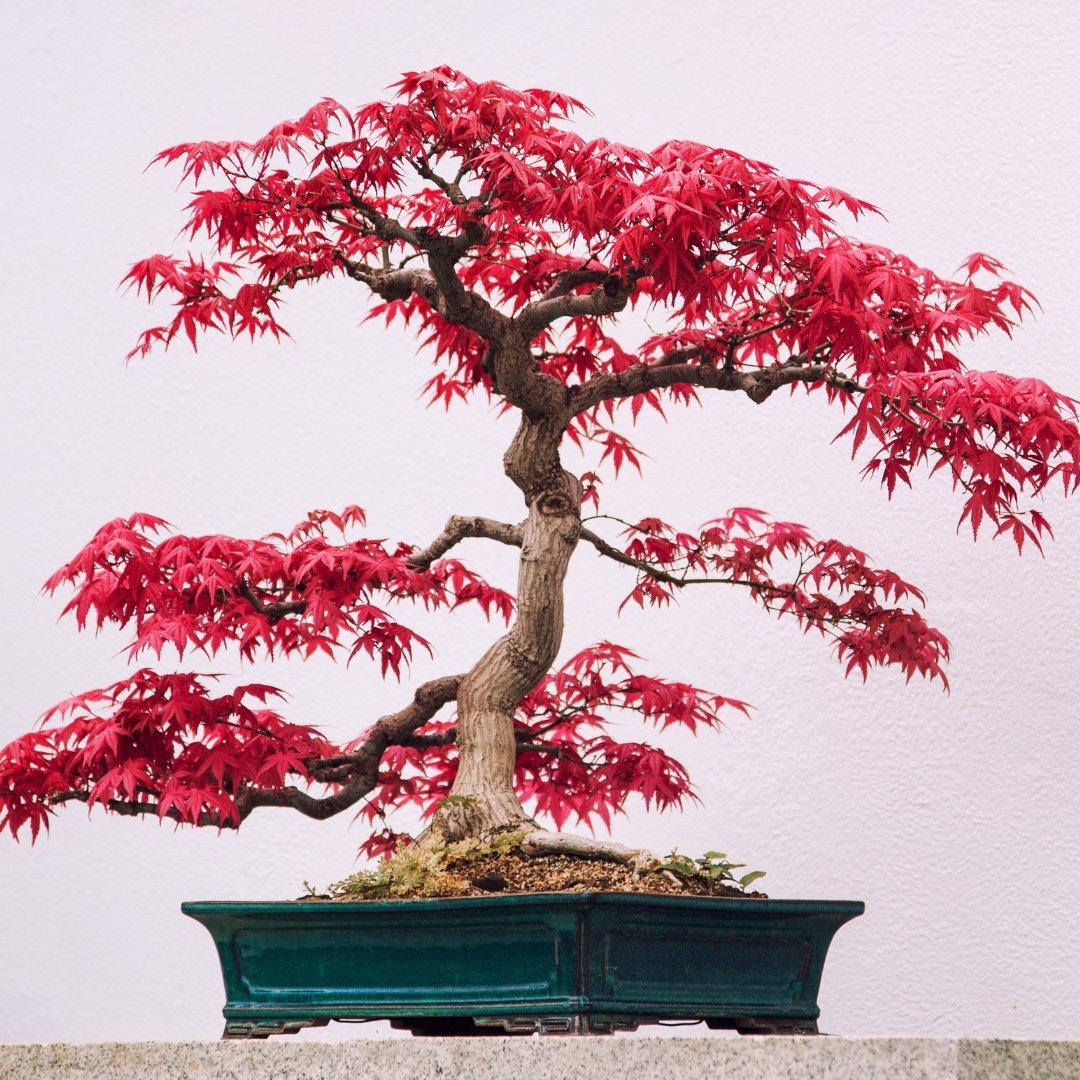
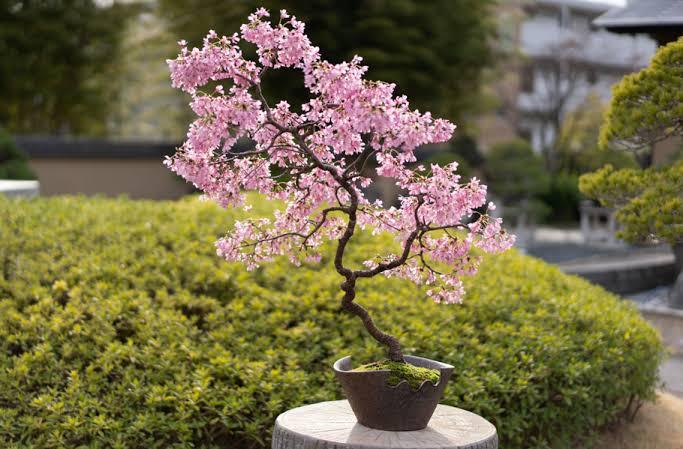
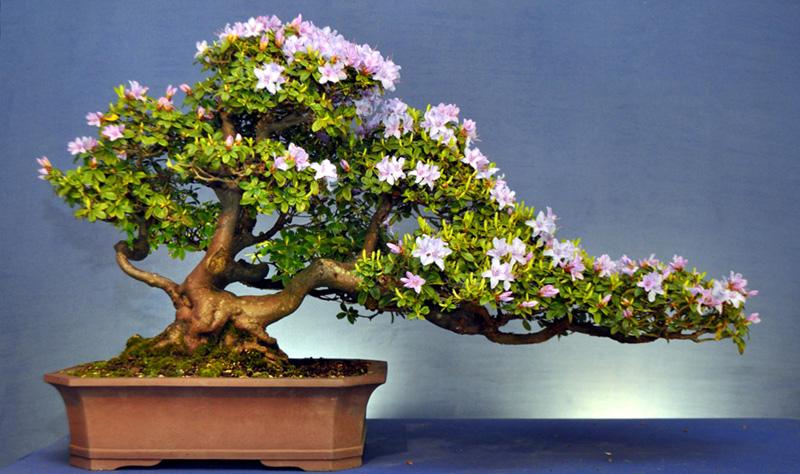
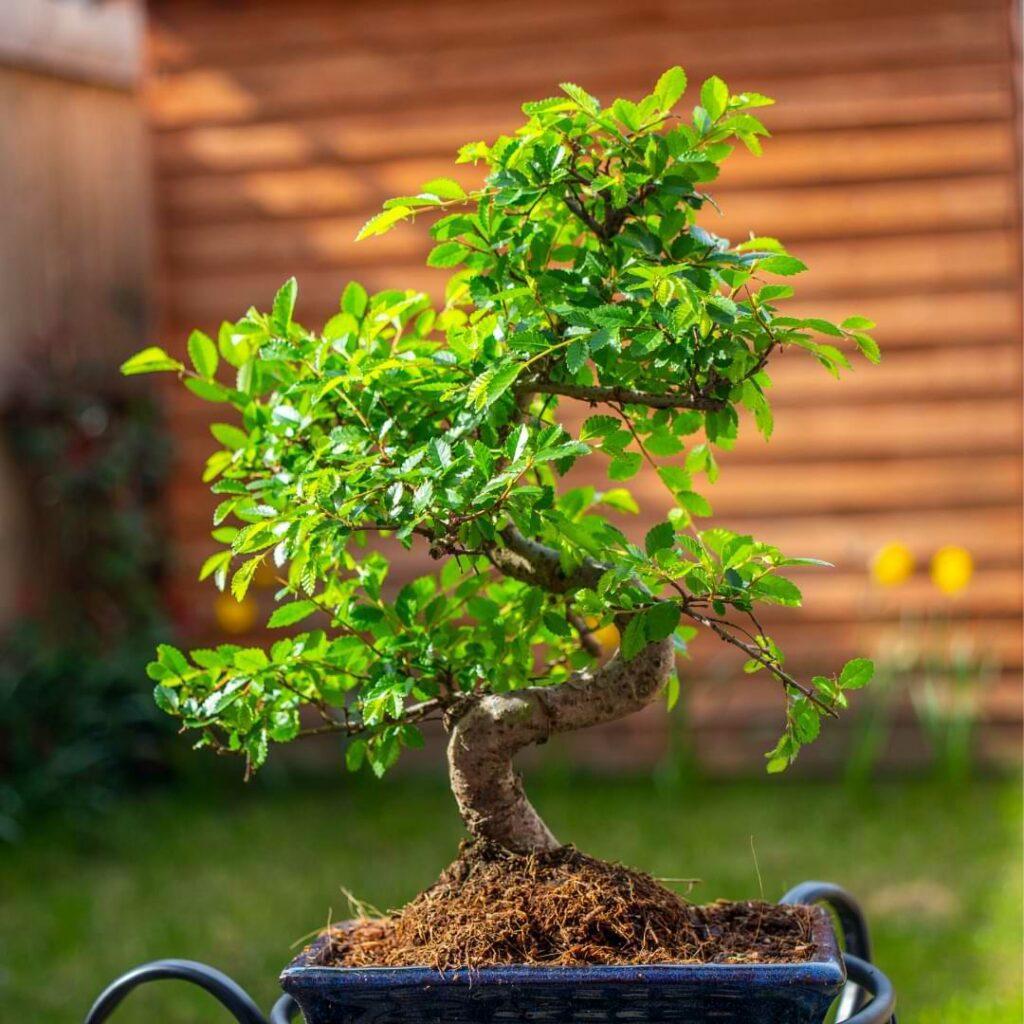
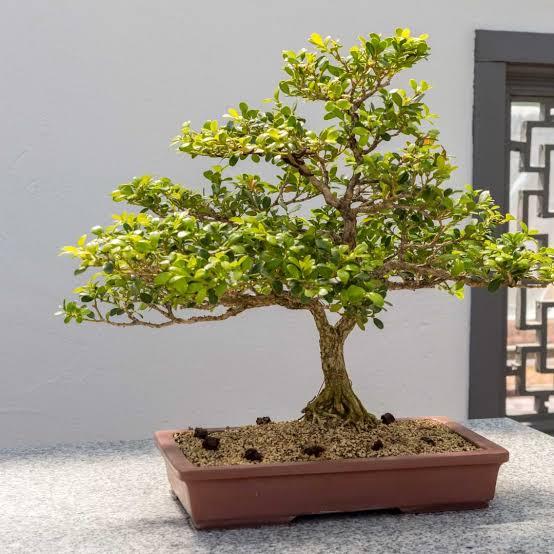
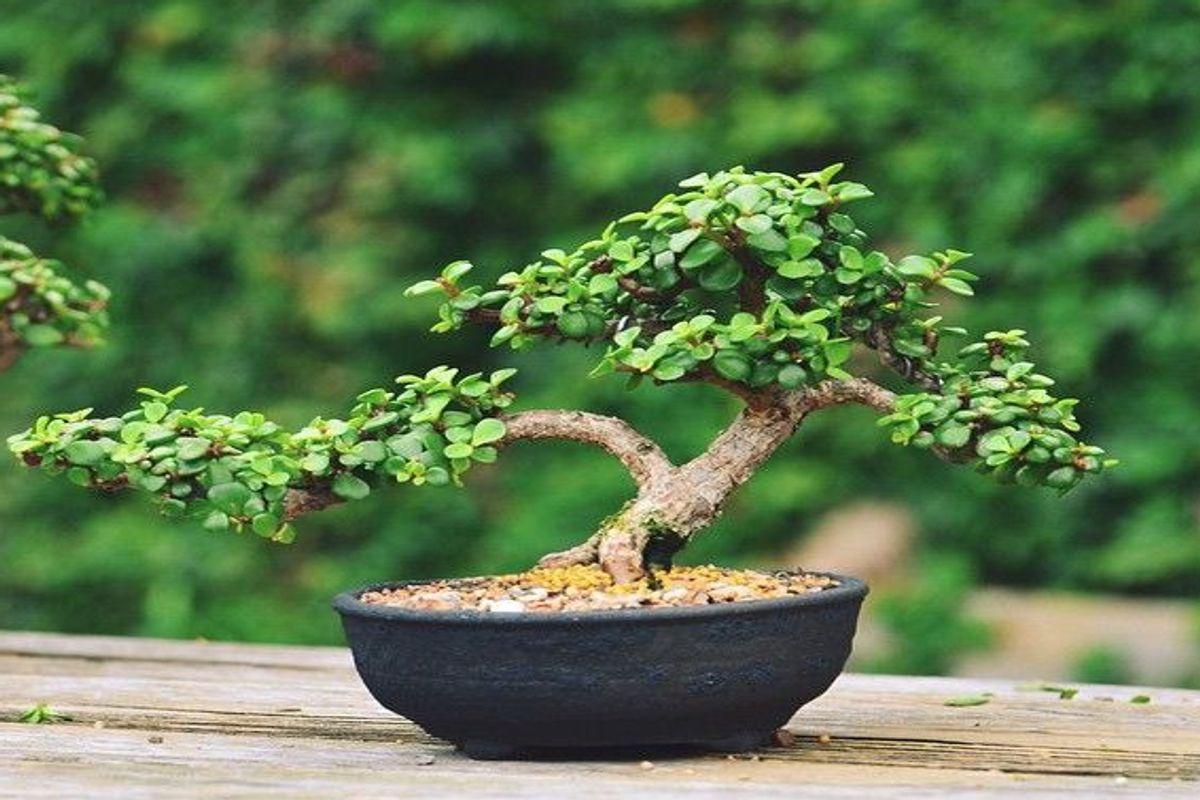
Guida alla Cura
Light Requirements
Bonsai trees generally prefer bright, indirect light. Some species, such as junipers, thrive in full sun, while others, like ficus, do well in lower light conditions. It is essential to understand the specific light requirements of the bonsai species you are cultivating.
Watering Needs
Watering frequency depends on the species, size of the tree, and environmental conditions. Generally, bonsai trees should be watered when the top inch of soil feels dry. Proper drainage is crucial to prevent root rot, and overwatering should be avoided.
Soil Preferences
Use a well-draining bonsai soil mix, typically composed of akadama, pumice, and lava rock. This mix ensures adequate drainage and aeration while retaining enough moisture for the tree's roots.
Temperature and Humidity
Bonsai trees thrive in environments that mimic their natural habitats. Most species prefer moderate temperatures and high humidity. Indoor bonsai trees may benefit from occasional misting or the use of a humidity tray to maintain moisture levels.
Fertilization
Feed bonsai trees with a balanced, water-soluble fertilizer during the growing season (spring and summer). Fertilizing every 4-6 weeks helps support healthy growth. Reduce feeding in the fall and winter when the tree's growth slows down.
Pruning and Maintenance
Regular pruning is essential to shape the bonsai tree and maintain its miniature size. This includes both root and branch pruning. Wiring is often used to guide the growth and shape of branches. Repotting every 2-3 years is necessary to refresh the soil and accommodate root growth.