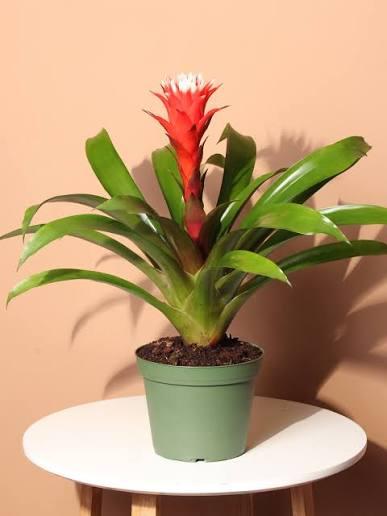
Bromeliad is a diverse and fascinating genus of tropical and subtropical plants renowned for their striking foliage and vibrant flowers. The genus includes over 3,000 species, each with unique leaf shapes, sizes, and colors. Bromeliads are prized for their ornamental value and are popular both as houseplants and garden specimens.
Popular Bromeliad Species
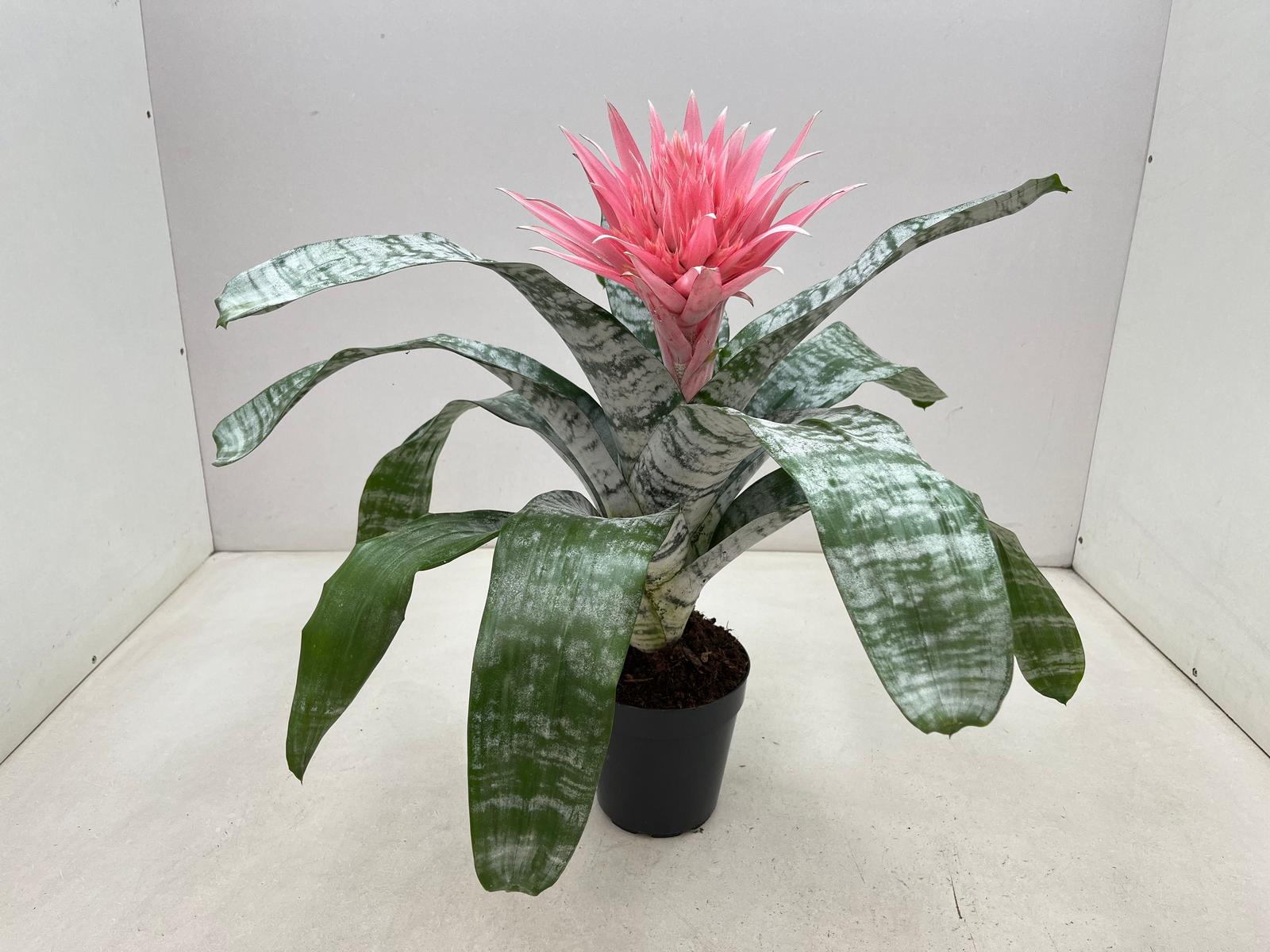
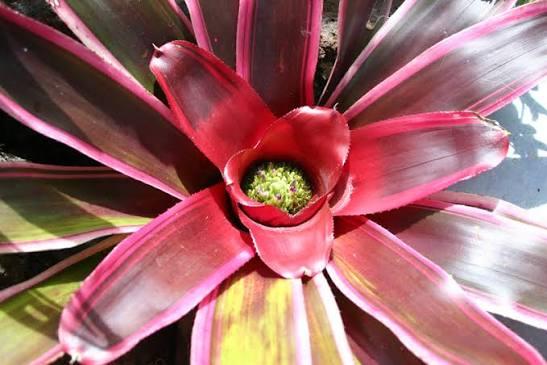
Guida alla Cura
Light Requirements
Bromeliads prefer bright, indirect light. Some species can tolerate lower light levels, but their growth may slow down, and leaf coloration may fade. Avoid direct sunlight, which can scorch their leaves.
Watering Needs
Bromeliads should be watered when the soil feels dry. For epiphytic species, misting or soaking is sufficient. Ensure that the central cup (if present) is kept filled with water, but avoid waterlogging the soil.
Soil Preferences
Use a well-draining potting mix rich in organic matter. A mix of orchid bark, perlite, and peat moss works well for most bromeliads. Epiphytic species can be mounted on driftwood or grown in hanging baskets.
Temperature and Humidity
Bromeliads thrive in warm, humid environments. Ideal temperatures range from 60°F to 80°F (16°C to 27°C). Maintain high humidity levels, ideally above 50%, by misting the leaves regularly or using a humidifier.
Fertilization
Feed bromeliads with a balanced, water-soluble fertilizer diluted to half strength every 1-2 months during the growing season (spring and summer). Avoid fertilizing directly into the central cup, as this can cause rot.
Pruning and Maintenance
Remove any dead or damaged leaves to maintain the plant's appearance and health. After flowering, the central plant will gradually die, but it should produce offsets, or "pups," which can be separated and replanted.