Alocasia
Araceae

Alocasia

Elephant Ear
RegnoPlantae
SottoregnoTracheobionta
SuperdivisioneSpermatophyta
DivisioneMagnoliophyta
ClasseLiliopsida
OrdineAlismatales
FamigliaAraceae
SottofamigliaAroideae
GenereAlocasia
Luce
Medium high
Acqua
Medium high
Specie
17

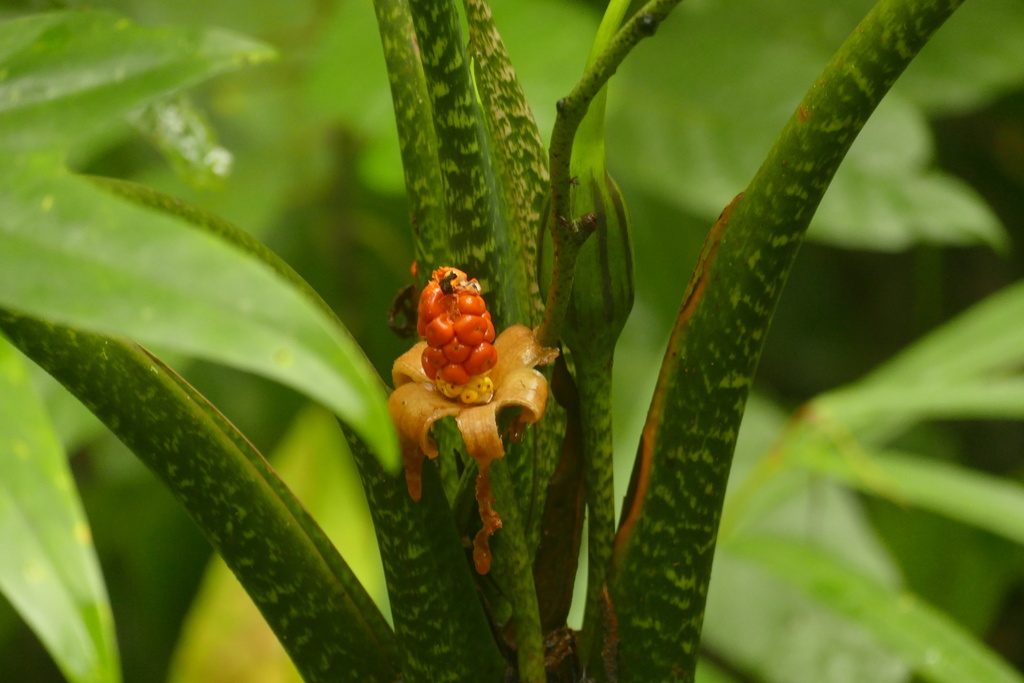
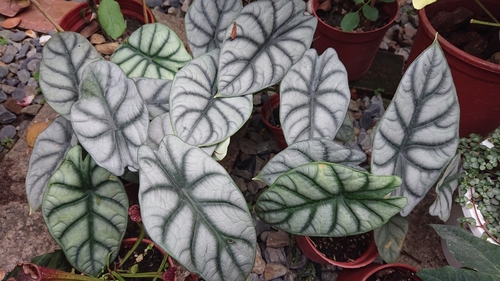
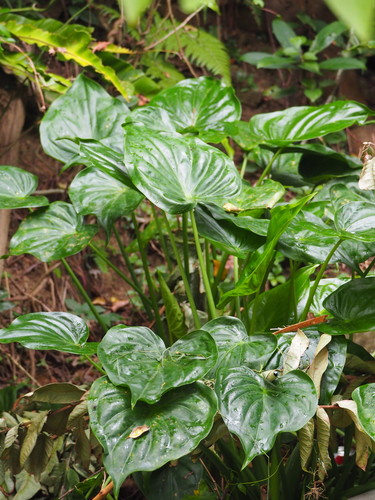
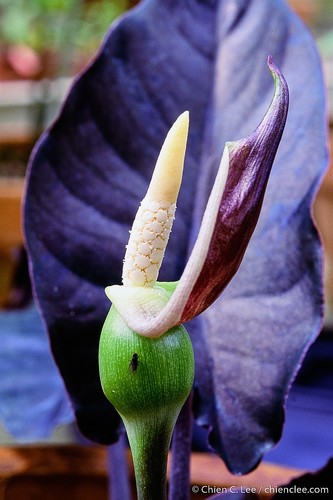
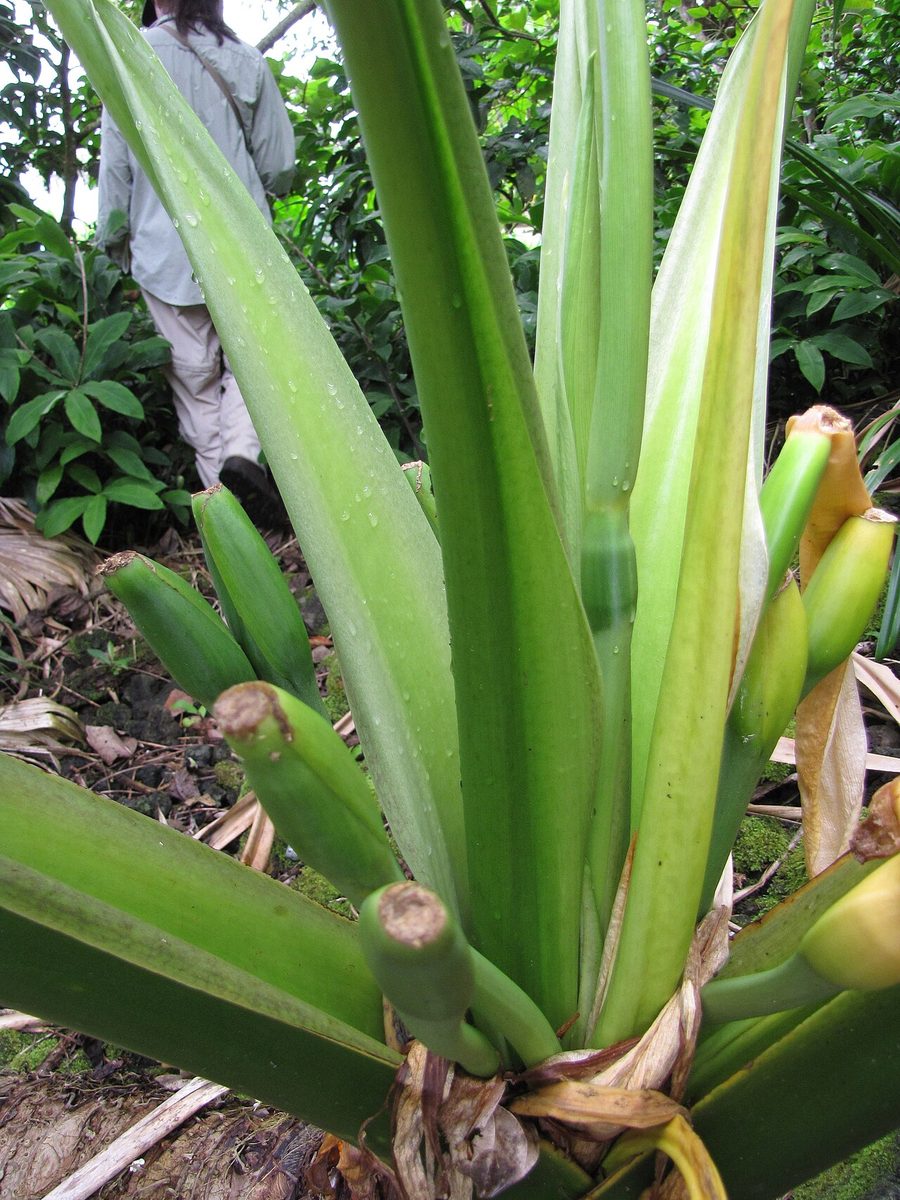
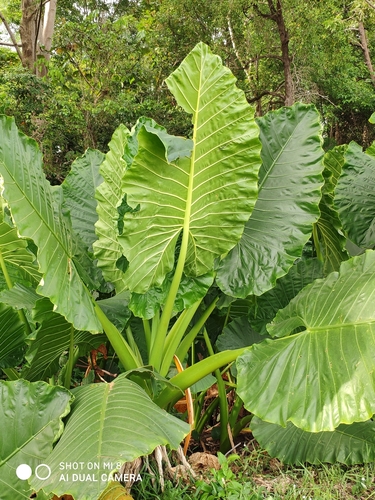
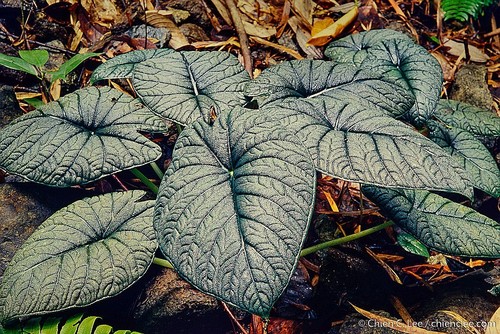
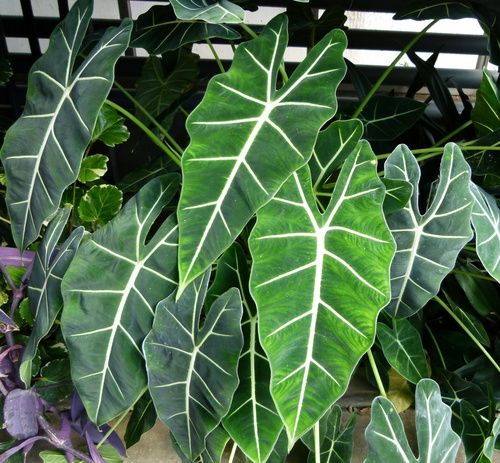
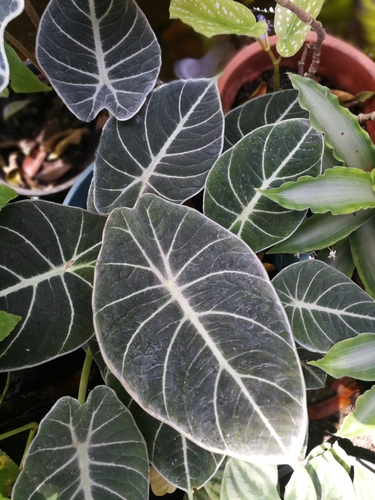
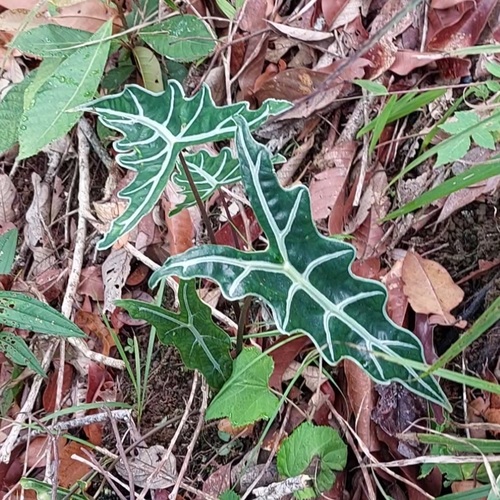
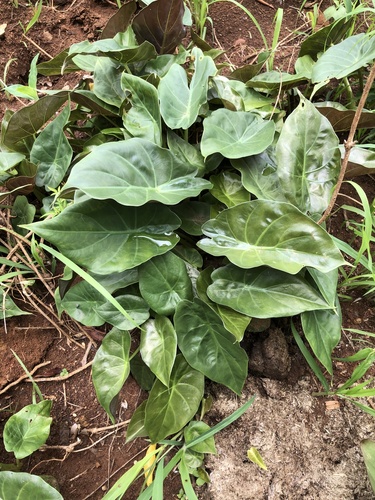
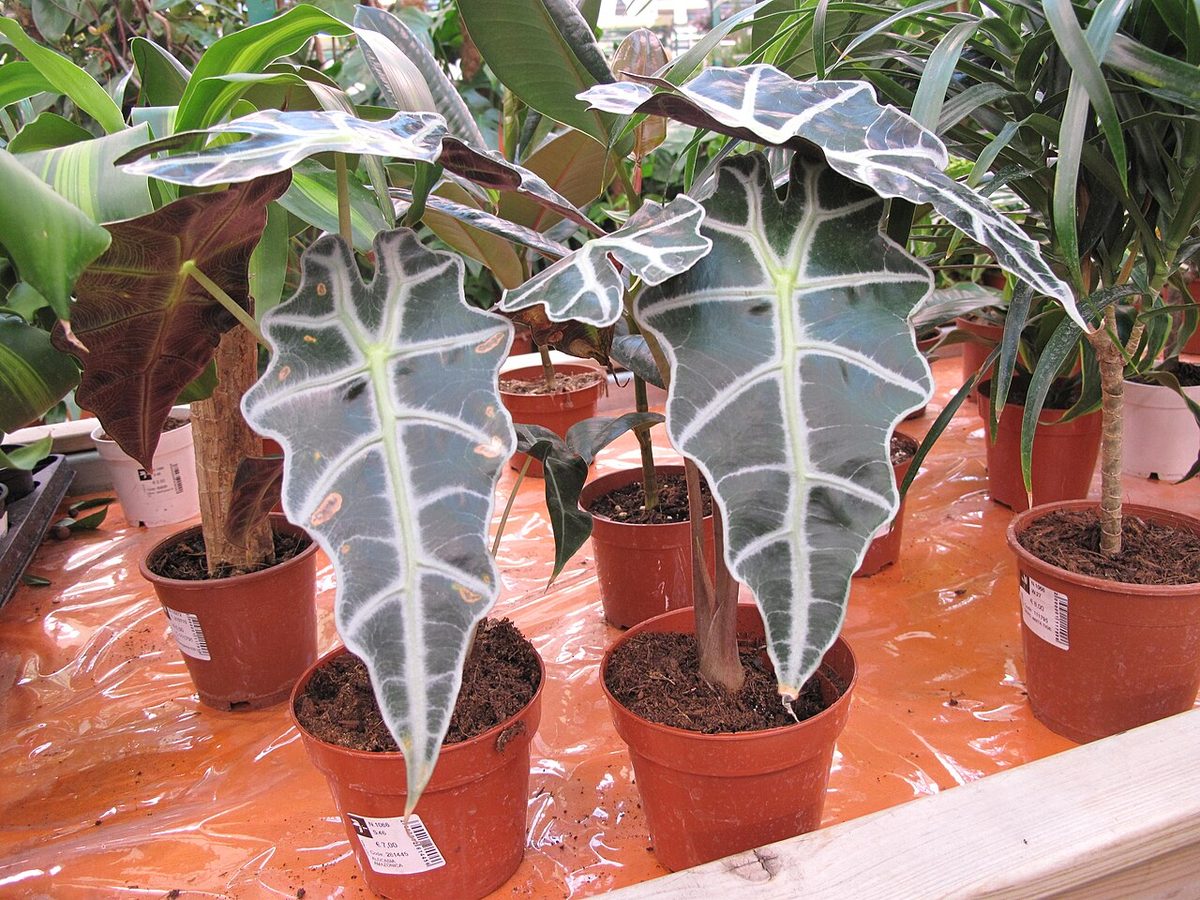
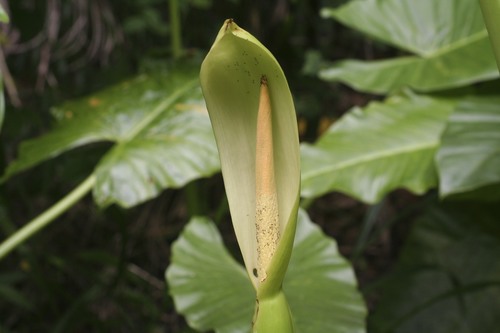
Alocasia, commonly referred to as Elephant Ear or African Mask Plant, is a captivating genus of tropical and subtropical plants renowned for their striking foliage. The genus includes around 79 species, each boasting unique leaf shapes, sizes, and colors. Alocasia plants are prized for their ornamental value and are popular both as houseplants and garden specimens.

Habitat naturale
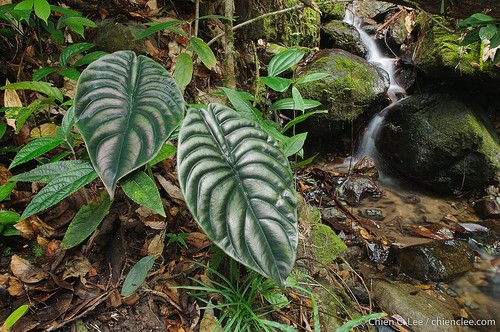
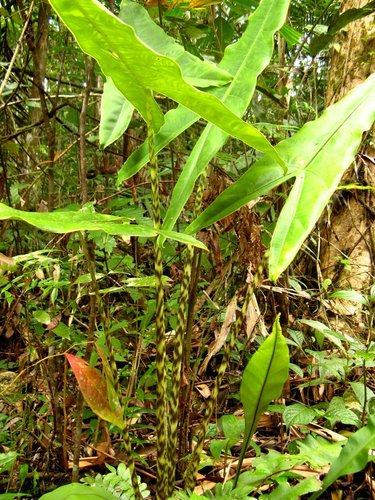
Alocasia species originate from tropical and subtropical regions of Asia and Eastern Australia. They thrive in humid environments, often found in rainforests and along stream banks. These plants typically grow in the understory of forests, where they receive filtered sunlight. The natural habitat of Alocasia plants is characterized by high humidity, warm temperatures, and rich, well-draining soil.
Storia e cultura
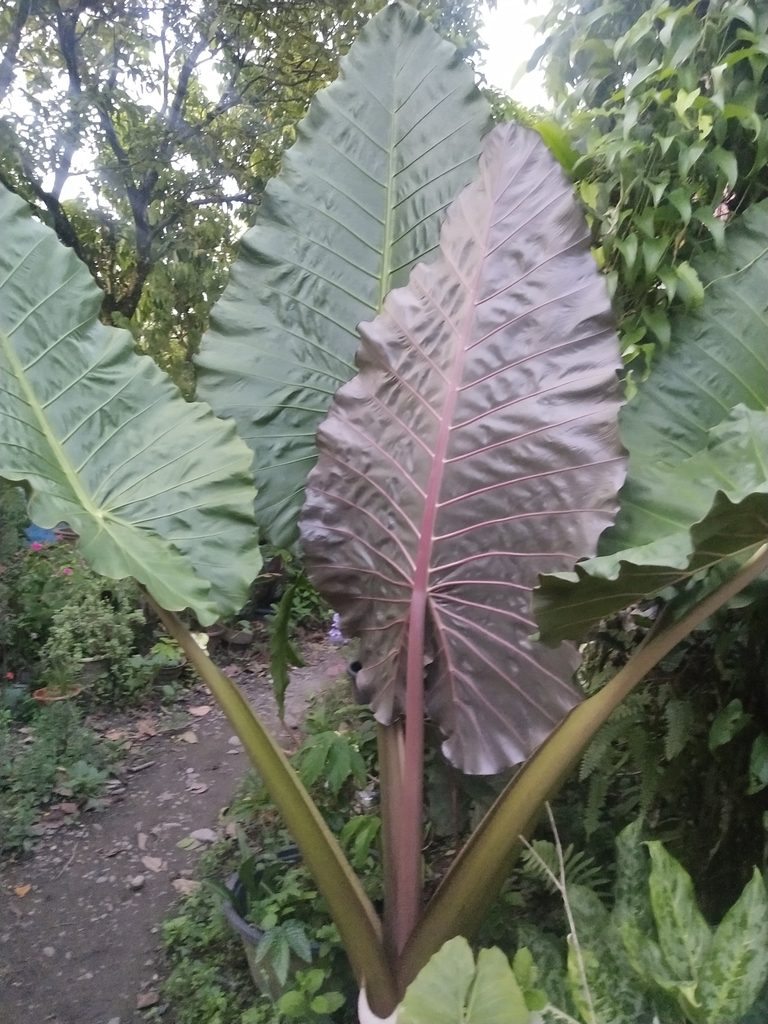
Alocasia plants have a rich cultural history in their native regions. In many Asian cultures, they are considered symbols of prosperity and are often used in traditional medicine. The large, striking leaves of some species, such as Alocasia macrorrhizos, have been used in various cultural rituals and as food sources in certain Pacific islands, where the plant is known as Giant Taro.
Utilizzi
In modern times, Alocasia plants are primarily grown for their ornamental value. Their dramatic foliage makes them popular choices for interior decoration and landscape design. The wide variety of species and cultivars available allows for diverse aesthetic applications, from the bold, large-leaved Alocasia odora to the more delicate, intricately patterned leaves of Alocasia 'Polly'.
Conservazione
While many Alocasia species are commonly cultivated, some are considered rare or endangered in their natural habitats due to habitat destruction and over-harvesting. Conservation efforts are important to preserve the genetic diversity and ecological roles of these plants in their native regions.
Alocasia amazonica
1 cultivar
Alocasia baginda
Alocasia baginda
2 cultivar
Alocasia cucullata
Alocasia cucullata
Alocasia cuprea
Alocasia cuprea
Alocasia hybrid
1 cultivar
Alocasia infernalis
Alocasia infernalis
1 cultivar
Alocasia macrorrhiza
Alocasia macrorrhizos
1 cultivar
Alocasia melo
Alocasia melo
Alocasia micholitziana
1 cultivar
Alocasia nebula
Alocasia plumbea
1 cultivar
Alocasia reginula
Alocasia reginula
1 cultivar
Alocasia sanderiana
Alocasia sanderiana
Alocasia wentii
Alocasia wentii
Alocasia zebrina
Alocasia zebrina
Alocasia × amazonica
Luce

Alocasia plants prefer bright, indirect light. Direct sunlight can scorch their leaves, while too little light can lead to poor growth and dull foliage.

Acqua

Keep the soil consistently moist but not waterlogged. Water when the top inch of soil feels dry. Alocasia plants are sensitive to overwatering and can develop root rot if left in soggy soil.

Substrato

Use a well-draining potting mix rich in organic matter. A mix of peat, perlite, and pine bark works well to provide the necessary drainage and nutrients.

Temperatura e umidità

Alocasia plants thrive in warm, humid environments. Ideal temperatures range from 65°F to 80°F (18°C to 27°C). Maintain high humidity levels, ideally above 60%, by misting the leaves regularly or using a humidifier.

Concimazione

Feed Alocasia plants with a balanced, water-soluble fertilizer every 2-4 weeks during the growing season (spring and summer). Reduce feeding in the fall and winter when the plant's growth slows down.

Potatura

Remove any yellow or damaged leaves to maintain the plant's appearance and health. Repot Alocasia plants every 1-2 years to refresh the soil and accommodate growth.

Divisione

The most common method for propagating Alocasia is by division. This involves separating the rhizomes or tubers during repotting. Ensure the parent plant is healthy before proceeding.

1
Carefully remove the plant from its pot and gently shake off excess soil to expose the roots.
2
Locate natural divisions in the root ball where new shoots are emerging.
3
Use a sharp, sterilized knife to cut the rhizomes or tubers, ensuring each division has at least one shoot and some roots.
4
Plant each division in a separate pot with a well-draining potting mix, water thoroughly, and place in bright, indirect light.
Polloni/figli

Some Alocasia species produce offsets, or "pups," which can be separated from the parent plant and potted individually.

1
Gently pull or cut the offsets from the base of the parent plant.
2
Pot the offsets in a small container with a well-draining potting mix.
3
Water lightly and keep in a warm, humid environment with indirect light.
How often should I water my Alocasia?
Water your Alocasia when the top inch of soil feels dry. Keep the soil consistently moist but not waterlogged to avoid root rot.
Why are my Alocasia leaves turning yellow?
Yellowing leaves can be caused by overwatering, underwatering, low humidity, or insufficient light. Check your plant’s watering schedule, humidity levels, and light conditions.
Can Alocasia grow in low light conditions?
Alocasia prefers bright, indirect light. While it can tolerate lower light levels, its growth may slow down, and the leaves may lose some of their vibrancy.