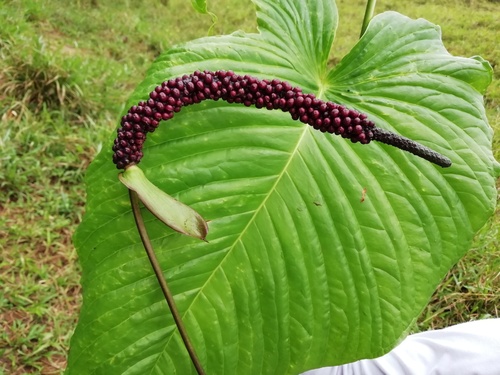
Anthurium
Araceae

Anthurium

Flamingo Flower
RegnoPlantae
SottoregnoTracheobionta
SuperdivisioneSpermatophyta
DivisioneMagnoliophyta
ClasseLiliopsida
OrdineAlismatales
FamigliaAraceae
SottofamigliaPothoideae
GenereAnthurium
Luce
Medium high
Acqua
Medium high
Specie
13

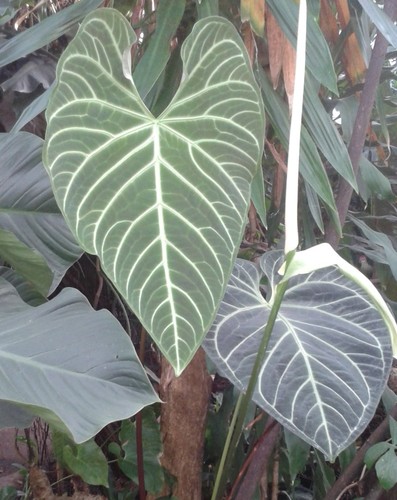
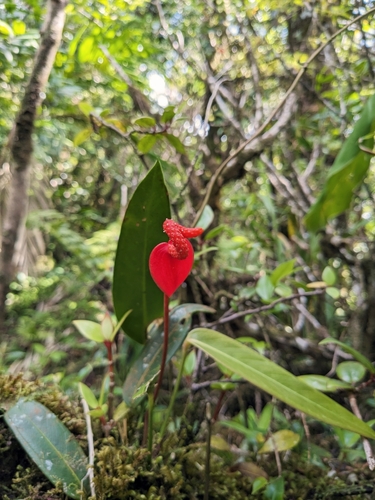
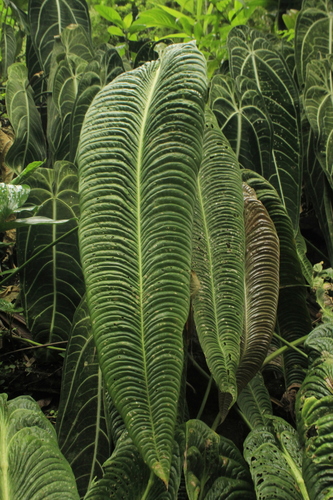
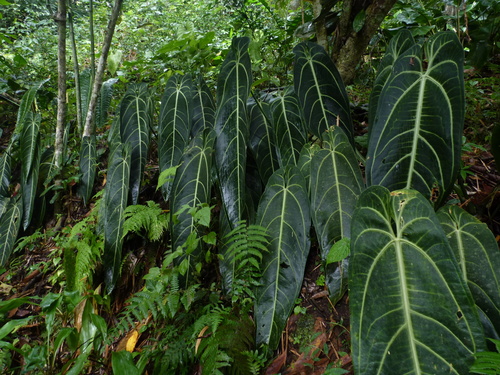
Anthurium, commonly known as Flamingo Flower or Laceleaf, is a captivating genus of tropical plants renowned for their vibrant flowers and unique foliage. The genus includes around 1,000 species, each boasting distinct leaf shapes, sizes, and colors. Anthurium plants are prized for their ornamental value and are popular both as houseplants and garden specimens.

Habitat naturale
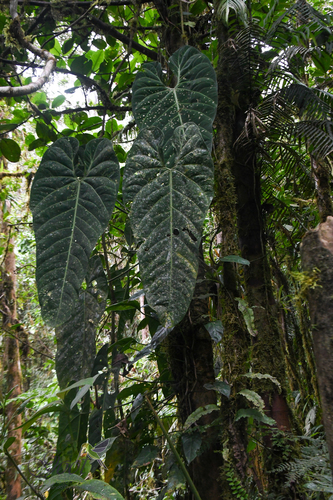
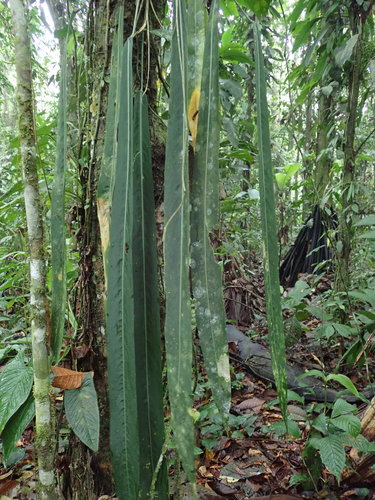
Anthurium species originate from the tropical regions of Central and South America. They thrive in humid environments, often found in rainforests and along riverbanks. These plants typically grow in the understory of forests, where they receive filtered sunlight. The natural habitat of Anthurium plants is characterized by high humidity, warm temperatures, and rich, well-draining soil.
Storia e cultura
Anthurium plants have a rich cultural history in their native regions. In many South American cultures, they are considered symbols of hospitality and happiness. Their striking flowers have made them popular in floral arrangements and as gifts for various occasions.
Utilizzi
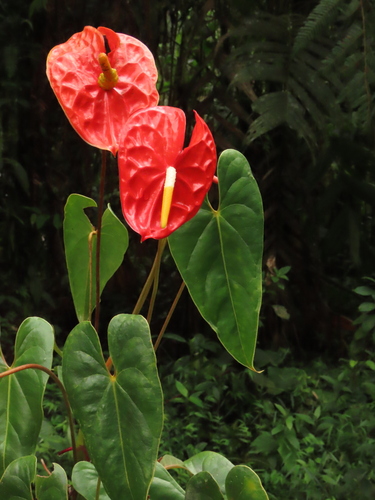
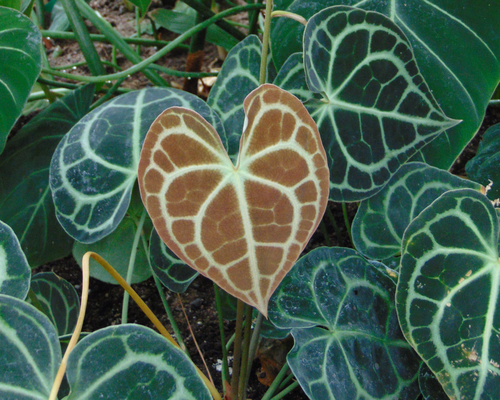
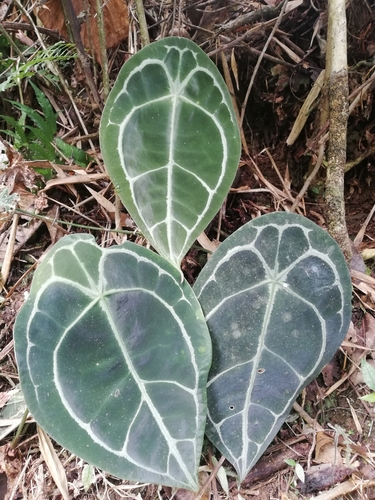
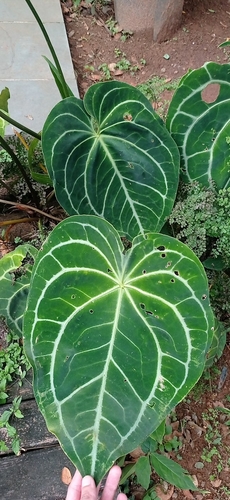
In modern times, Anthurium plants are primarily grown for their ornamental value. Their vibrant flowers and unique foliage make them popular choices for interior decoration and landscape design. The wide variety of species and cultivars available allows for diverse aesthetic applications, from the bold, colorful flowers of Anthurium andraeanum to the more delicate, intricately patterned leaves of Anthurium clarinervium.
Conservazione
While many Anthurium species are commonly cultivated, some are considered rare or endangered in their natural habitats due to habitat destruction and over-harvesting. Conservation efforts are important to preserve the genetic diversity and ecological roles of these plants in their native regions.
Anthurium andraeanum
Anthurium clarinervium
Anthurium crystallinum
Anthurium forgetii
Anthurium forgetii
Anthurium hybrid
2 cultivar
Anthurium magnificum
Anthurium metallicum
Anthurium pallidiflorum
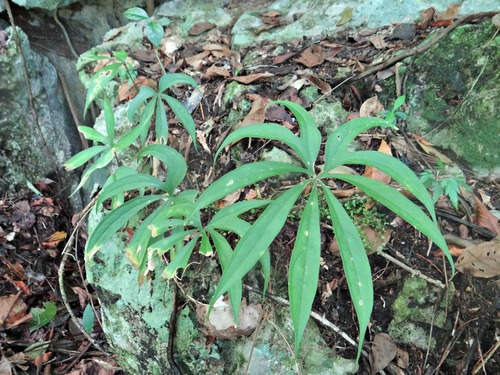
Anthurium pedatoradiatum
Anthurium regale
Anthurium regale
Anthurium scherzerianum
Anthurium veitchii
Anthurium veitchii
Anthurium warocqueanum
Luce

Bright indirect light is essential for Anthurium to produce its distinctive waxy spathes (the colourful 'flower' — actually a modified leaf). An east-facing window or a bright spot behind a sheer curtain is ideal. Direct sun scorches the waxy bracts and leaves. In lower light, Anthurium survives but produces few or no flowers.

Acqua

Allow the top 2–3 cm of soil to dry between waterings, then water thoroughly. Anthurium prefers consistently moderate moisture but is very susceptible to root rot if overwatered. Yellow leaves usually indicate overwatering; drooping with dry soil indicates underwatering. Use room-temperature water and ensure excellent drainage.

Substrato

Chunky, well-draining mix: 40% orchid bark, 30% perlite, 30% potting compost. Anthurium is semi-epiphytic — its roots need excellent aeration. Avoid dense, water-retentive soils.

Temperatura e umidità

Optimal 18–27 °C; minimum 15 °C. High humidity (60–80%) significantly extends flowering and promotes larger, more vivid spathes. Use a humidifier or pebble tray. Avoid cold drafts which cause spathe browning.

Concimazione

Feed every 2–4 weeks during spring and summer with a fertilizer higher in phosphorus (the P in NPK) to promote flowering. A balanced fertilizer at half strength works well. Stop feeding in winter.

Potatura

Remove spent spathes (flowers) at the base once they turn green and then brown. This encourages the plant to produce new blooms. Wipe the waxy leaves with a damp cloth to remove dust. Repot every 2 years in spring. Anthurium contains calcium oxalate — toxic to pets and humans if ingested.

Divisione

The most common method for propagating Anthurium is by division. This involves separating the root ball during repotting. Ensure the parent plant is healthy before proceeding.

1
Carefully remove the plant from its pot and gently shake off excess soil to expose the roots.
2
Locate natural divisions in the root ball where new shoots are emerging.
3
Use a sharp, sterilized knife to cut the roots, ensuring each division has at least one shoot and some roots.
4
Plant each division in a separate pot with a well-draining potting mix, water thoroughly, and place in bright, indirect light.
Talea

Some Anthurium species can be propagated from stem cuttings.

1
Cut a healthy stem from the parent plant just below a node.
2
Allow the cut end to dry and form a callus for a few hours.
3
Place the cutting in a container with moist, well-draining potting mix.
4
Keep in a warm, humid environment with indirect light until roots develop.
How do I get my Anthurium to flower more?
Ensure bright indirect light (closer to a window), use a fertilizer with higher phosphorus content, maintain humidity above 60% and keep temperatures stable above 18 °C. Remove old spent spathes promptly to encourage the plant to produce new ones.
Why is my Anthurium spathe (flower) turning green?
Spathes naturally age from vivid colour to green as they mature — this is normal and means the flower has completed its cycle. Remove it at the base to encourage a new one. Insufficient light can also cause spathes to emerge green rather than coloured.
Is Anthurium toxic?
Yes. All parts contain calcium oxalate crystals. Ingestion causes burning and swelling of the mouth, throat and digestive tract in humans, cats and dogs. Keep out of reach of all pets and children.