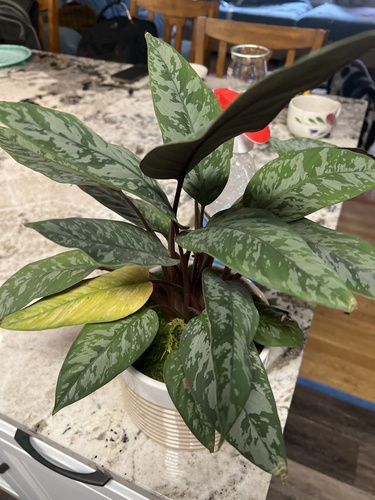
Apoballis
| Regno | Plantae |
| Sottoregno | Tracheobionta |
| Superdivisione | Spermatophyta |
| Divisione | Magnoliophyta |
| Classe | Liliopsida |
| Ordine | Alismatales |
| Famiglia | Araceae |
| Sottofamiglia | Aroideae |
| Genere | Apoballis |
Apoballis è un affascinante genere di piante tropicali noto per il fogliame e il portamento particolari. Comprende diverse specie, ognuna con forme, dimensioni e colori delle foglie caratteristici. Le Apoballis sono apprezzate per il valore ornamentale e diffuse sia come piante da appartamento sia in giardino.
Specie e varietà (2)
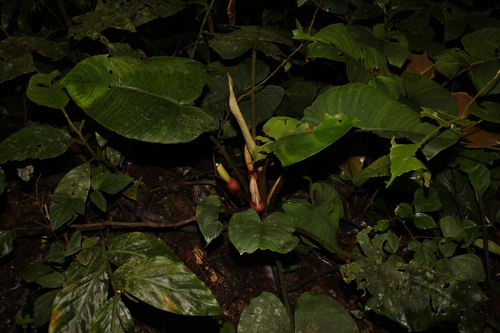
Guida alla cura
Luce
Ideale la luce intensa indiretta, con esigenze simili a quelle dell'Alocasia, a cui è strettamente imparentata. L'Apoballis (un tempo Schismatoglottis) tollera la mezz'ombra, ma dà il fogliame più bello e disegnato vicino a una finestra con luce filtrata. Evitare il sole diretto.
Acqua
Lasciare asciugare i primi 2-3 cm di terriccio tra un'annaffiatura e l'altra. Mantenerlo costantemente umido ma mai fradicio: l'Apoballis è un'aracea e soffre di marciume radicale se l'ambiente è troppo bagnato. Usare acqua a temperatura ambiente.
Substrato
Substrato per aracee ben drenante e un po' grossolano: 40% terriccio, 30% perlite, 30% bark per orchidee. È importante una buona aerazione delle radici.
Temperatura e umidità
Ideale 18-27 °C; minimo 15 °C. Un'umidità alta (60-80%) favorisce foglie più grandi e colorate. L'umidità normale di casa basta per la sopravvivenza. Sensibile alle correnti fredde.
Concimazione
Concimare una volta al mese in primavera ed estate con un concime liquido bilanciato a metà dose. Sospendere in inverno.
Potatura
Togliere alla base le foglie rovinate o vecchie. L'Apoballis cresce da una rosetta centrale e non si ramifica: si mantiene togliendo le foglie esterne. Contiene ossalato di calcio: è tossica per animali e persone.
Propagazione
Divisione
Il metodo più comune per moltiplicare l'Apoballis è la divisione, che consiste nel separare la zolla al momento del rinvaso. Assicurarsi prima che la pianta madre sia sana.
Talea
Alcune specie di Apoballis si possono moltiplicare per talea di fusto.