Aralia
Araliaceae

Aralia

Spikenard
RegnoPlantae
SottoregnoTracheobionta
SuperdivisioneSpermatophyta
DivisioneMagnoliophyta
ClasseMagnoliopsida
OrdineApiales
FamigliaAraliaceae
GenereAralia
Luce
Medium high
Acqua
Medium high
Specie
3

Aralia, commonly referred to as Spikenard, Angelica Tree, or Hercules' Club, is a captivating genus of plants renowned for their unique foliage and structural variety. The genus includes several species, each boasting distinctive leaf shapes, sizes, and growth habits. Aralia plants are prized for their ornamental value and are popular both as houseplants and garden specimens.

Habitat naturale
Aralia species originate from various regions, including North America, Asia, and the Pacific islands. They thrive in diverse environments, ranging from temperate forests to tropical regions. These plants typically grow in the understory of forests, where they receive filtered sunlight. The natural habitat of Aralia plants is characterized by moderate to high humidity, well-draining soil, and varying temperature ranges depending on the species.
Storia e cultura
Aralia plants have a rich cultural history in their native regions. In many cultures, they are considered symbols of strength and resilience. Some species, such as Aralia racemosa (American Spikenard), have been used in traditional medicine for their reputed healing properties. The dramatic appearance of certain species has also made them popular in folklore and ornamental horticulture.
Utilizzi
In modern times, Aralia plants are primarily grown for their ornamental value. Their unique foliage and structural diversity make them popular choices for interior decoration and landscape design. The wide variety of species and cultivars available allows for diverse aesthetic applications, from the elegant, feathery leaves of Ming Aralia to the bold, architectural presence of the Angelica Tree.
Conservazione
While many Aralia species are commonly cultivated, some are considered rare or endangered in their natural habitats due to habitat destruction and over-harvesting. Conservation efforts are important to preserve the genetic diversity and ecological roles of these plants in their native regions.
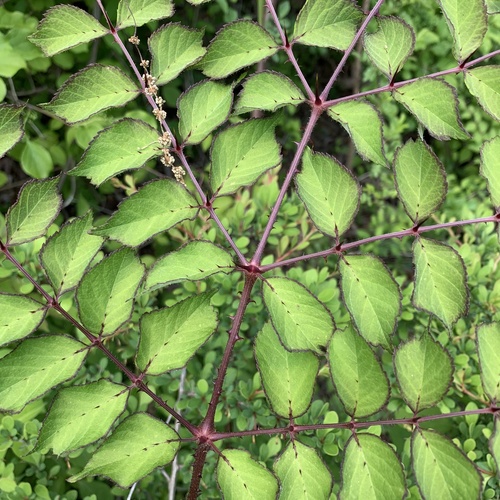
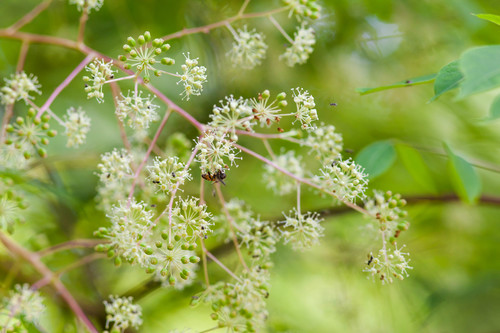
Aralia elata
Aralia elata
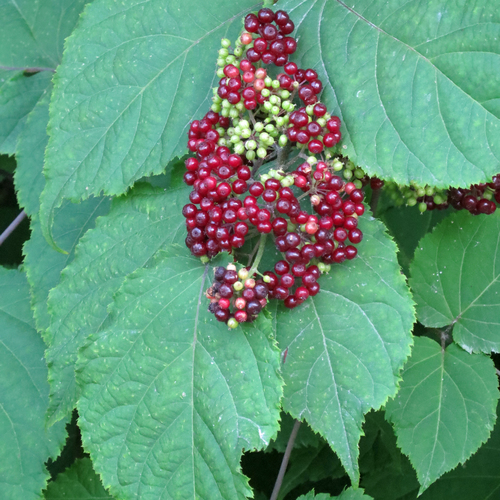
Aralia racemosa
Aralia racemosa
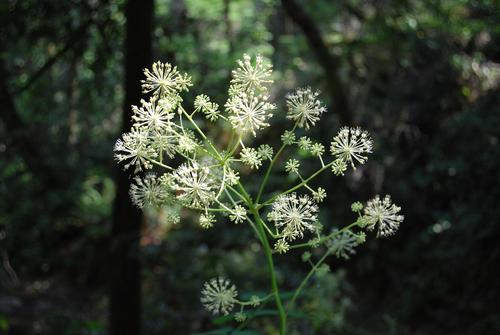
Aralia spinosa
Aralia spinosa
Luce

Most indoor Aralia species (particularly Polyscias and Fatsia) prefer bright, indirect light. Fatsia japonica tolerates lower light and even moderate shade; Polyscias species need brighter conditions. Avoid direct sun that scorches the large, divided leaves.

Acqua

Allow the top 2–3 cm to dry between waterings, then water thoroughly. Aralia is moderately drought-tolerant but performs best with consistent moisture. Overwatering causes leaf drop and root rot; underwatering also causes leaf drop. Reduce watering in winter.

Substrato

Well-draining, fertile potting mix with added perlite (3:1). Good drainage is essential.

Temperatura e umidità

Fatsia japonica is cold-tolerant (to 0 °C), making it suitable for cool conservatories and entrance halls. Polyscias species prefer warmer conditions (18–27 °C) and higher humidity. Keep all types away from cold drafts.

Concimazione

Feed monthly during spring and summer with a balanced liquid fertilizer at full strength. Reduce in autumn, stop in winter.

Potatura

Prune in spring to control height and encourage branching. Aralia responds well to hard pruning. Check regularly for scale insects and mealybugs — common pests on this genus. Wipe leaves to remove dust.

Talea

The most common method for propagating Aralia is by stem cuttings. This involves taking a section of the stem and encouraging it to root. Ensure the parent plant is healthy before proceeding.

1
Cut a healthy stem from the parent plant just below a node.
2
Allow the cut end to dry and form a callus for a few hours.
3
Place the cutting in a container with moist, well-draining potting mix.
4
Keep in a warm, humid environment with indirect light until roots develop.
Semina

Some Aralia species can be propagated from seeds.

1
Collect ripe seeds from the plant and clean them.
2
Sow the seeds in a container with a well-draining potting mix.
3
Keep the soil moist and place the container in a warm, humid environment with indirect light.
4
Germination can take several weeks to months; ensure consistent moisture and warmth.
Why is my Aralia dropping leaves?
Leaf drop is the most common Aralia complaint and usually signals overwatering, cold drafts or a sudden change in position. Stabilise conditions, adjust watering and be patient — the plant should recover within a few weeks.
My Polyscias is very leggy — can I cut it back?
Yes — Aralia tolerates hard pruning in spring. Cut stems back significantly and the plant will produce dense new growth below the cuts.
Why does my Aralia have sticky leaves?
Sticky residue usually indicates a scale insect infestation (the scales excrete honeydew). Inspect stems and leaf undersides for small brown or white bumps. Treat with neem oil or insecticidal soap and wipe the leaves clean.