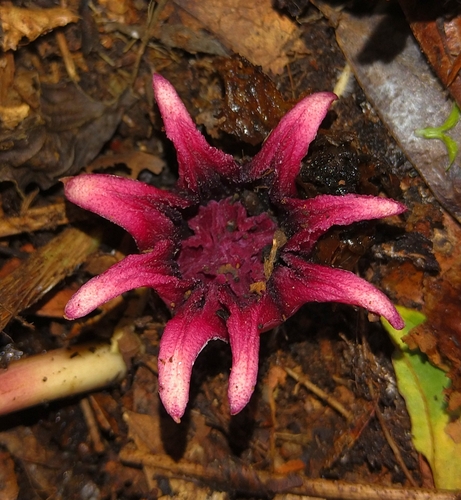
Aspidistra
| Regno | Plantae |
| Sottoregno | Tracheobionta |
| Superdivisione | Spermatophyta |
| Divisione | Magnoliophyta |
| Classe | Liliopsida |
| Ordine | Asparagales |
| Famiglia | Asparagaceae |
| Sottofamiglia | Nolinoideae |
| Genere | Aspidistra |
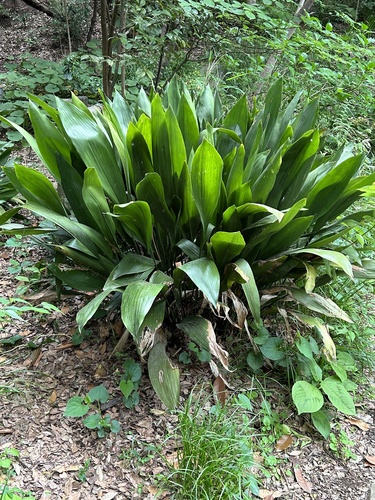
Aspidistra elatior, detta anche pianta di ferro, è una pianta da appartamento leggendaria, famosa per la straordinaria resistenza e la tolleranza alla trascuratezza. Originaria di Giappone e Cina, questa perenne a crescita lenta produce eleganti foglie verde scuro e lucide, e prospera in condizioni che ucciderebbero quasi qualsiasi altra pianta da appartamento: ombra fitta, annaffiature irregolari e temperature estreme.
Specie e varietà (1)
Guida alla cura
Luce
L'aspidistra è la campionessa indiscussa della tolleranza alla poca luce: prospera in ombra fitta e sopravvive anche in stanze illuminate solo artificialmente. Evitare il sole diretto, che scolorisce e brucia le foglie. L'ideale è un davanzale esposto a nord o un angolo ombreggiato all'interno della stanza.
Acqua
Lasciare asciugare la metà superiore del terriccio tra un'annaffiatura e l'altra. In inverno annaffiare con parsimonia. L'aspidistra resiste moltissimo alla siccità e sopravvive settimane senz'acqua. Il rischio principale è l'eccesso d'acqua, che causa marciume radicale.
Substrato
Usare un normale terriccio ben drenante; aggiungere un po' di perlite o ghiaino migliora il drenaggio. Tollera bene i terreni poveri e sottili e non richiede un substrato ricco o molto organico.
Temperatura e umidità
Tollera sorprendentemente bene gli sbalzi di temperatura, da 7 a 29 °C, e sopporta brevi ondate di freddo e gelate leggere. L'umidità normale di casa è più che sufficiente, senza esigenze particolari.
Concimazione
Ha bisogno di pochissimo concime: dare un concime liquido bilanciato a un quarto della dose una volta ogni 2-3 mesi, solo in primavera ed estate. Il troppo concime brucia le punte delle foglie.
Potatura
Basta eliminare alla base, con forbici pulite, le foglie gialle o marroni. Ogni tanto spolverare le foglie con un panno umido per mantenerle lucide. Rinvasare ogni 3-4 anni o quando le radici hanno riempito completamente il vaso.
Propagazione
Divisione
Il metodo di moltiplicazione classico e più semplice è la divisione al momento del rinvaso primaverile.