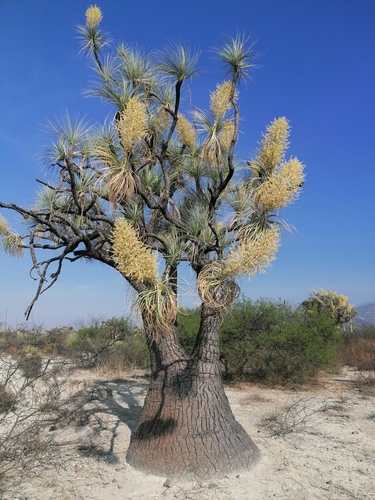
Beaucarnea
| Regno | Plantae |
| Sottoregno | Tracheobionta |
| Superdivisione | Spermatophyta |
| Divisione | Magnoliophyta |
| Classe | Liliopsida |
| Ordine | Asparagales |
| Famiglia | Asparagaceae |
| Genere | Beaucarnea |
Beaucarnea recurvata, conosciuta come piede d'elefante o “palma coda di cavallo”, è una pianta dall'aspetto quasi succulento originaria del Messico, famosa per la base del tronco rigonfia e le lunghe foglie nastriformi e arcuate. Nonostante il nome comune non è una vera palma, ma appartiene alla famiglia Asparagaceae. È una delle piante da interno più diffuse e facili da coltivare.
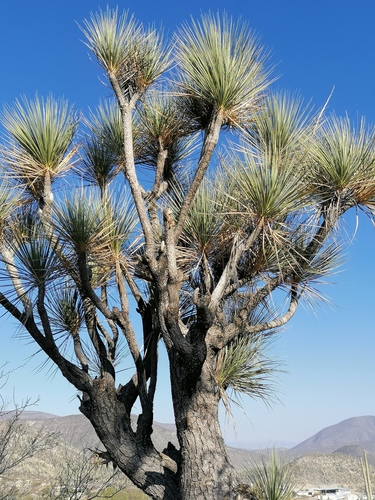
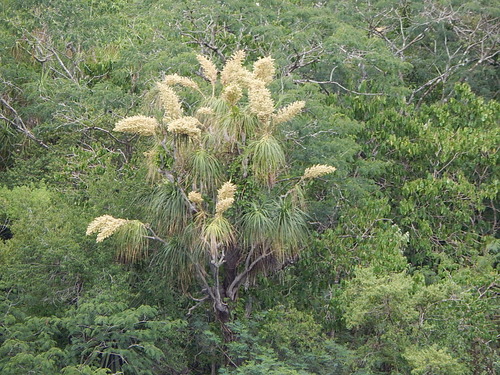
Specie e varietà (2)
Guida alla cura
Luce
La beaucarnea ha bisogno di tutta la luce disponibile in casa: l'ideale è vicino a una finestra esposta a sud, con diverse ore di sole diretto. Il suo caudice (la base rigonfia del tronco) si è evoluto per accumulare acqua in ambienti aridi ed è adattato al sole intenso. Con luce insufficiente le foglie diventano lunghe, cadenti e deboli. Nei climi caldi l'ideale è tenerla all'aperto in pieno sole.
Acqua
La beaucarnea è una delle piante da appartamento più resistenti alla siccità: la base rigonfia del tronco accumula grandi quantità d'acqua. Lasciare asciugare completamente il terriccio tra un'annaffiatura e l'altra, poi annaffiare abbondantemente. In estate significa di solito ogni 2-4 settimane; in inverno una volta al mese o meno. L'eccesso d'acqua fa marcire rapidamente radici e caudice, un danno molto difficile da recuperare.
Substrato
Terriccio per cactacee e succulente a drenaggio rapido, oppure terriccio universale mescolato a perlite in parti uguali. Il drenaggio deve essere eccellente: la beaucarnea si è evoluta in terreni aridi e molto poveri. I vasi in terracotta aiutano l'umidità a evaporare più in fretta.
Temperatura e umidità
Ideale 18-27 °C; tollera fino a 5 °C. L'aria secca va benissimo, anzi le giova: la beaucarnea è una delle poche piante che traggono vantaggio dall'aria secca delle case riscaldate.
Concimazione
Concimare una volta in primavera con un concime per succulente diluito (un quarto della dose), e non più di una o due volte l'anno: la beaucarnea cresce lentamente ed è adattata a terreni poveri di nutrienti.
Potatura
Eliminare le punte secche e marroni o le foglie vecchie intere man mano che seccano naturalmente. Non tagliare l'apice vegetativo: la beaucarnea si ramifica raramente, a meno che l'apice non venga rimosso, e anche in quel caso lentamente. Rinvasare ogni 3-5 anni: preferisce avere le radici un po' strette nel vaso. Nota: nonostante il nome non è una vera palma, ma appartiene alla famiglia Asparagaceae.
Propagazione
Polloni/figli
Le piante adulte producono a volte polloni alla base, che si possono staccare e far radicare separatamente.
Semina
Si può coltivare anche da seme, ma la germinazione è lenta e le piantine impiegano anni a sviluppare la caratteristica base rigonfia.