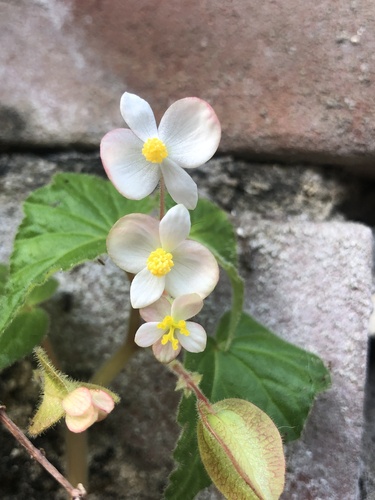
Begonia
Begoniaceae

Begonia

Wax Begonia
RegnoPlantae
SottoregnoTracheobionta
SuperdivisioneSpermatophyta
DivisioneMagnoliophyta
ClasseMagnoliopsida
OrdineCucurbitales
FamigliaBegoniaceae
SottofamigliaBegonioideae
GenereBegonia
Luce
Medium high
Acqua
Medium high
Specie
12

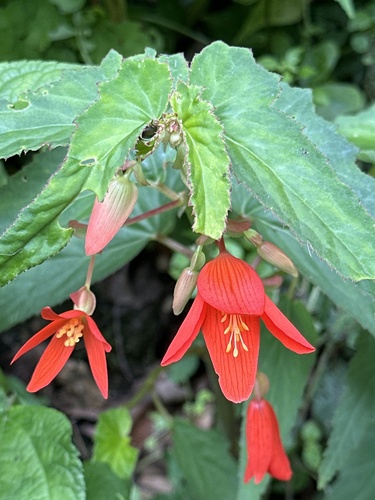
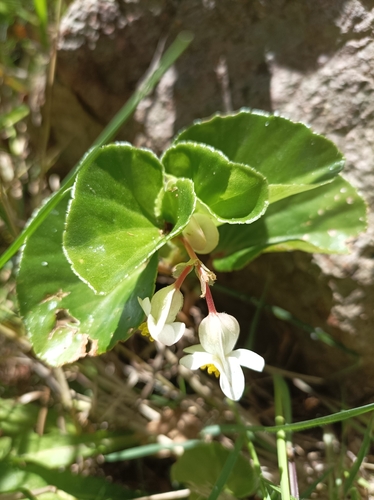
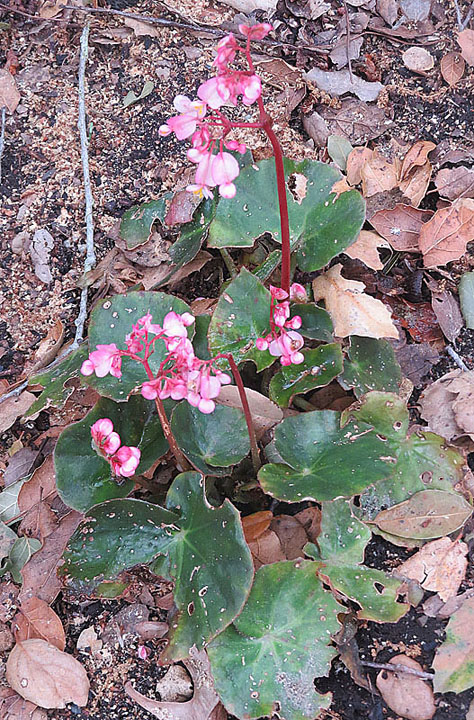
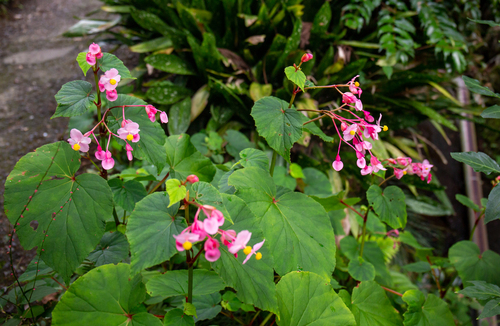
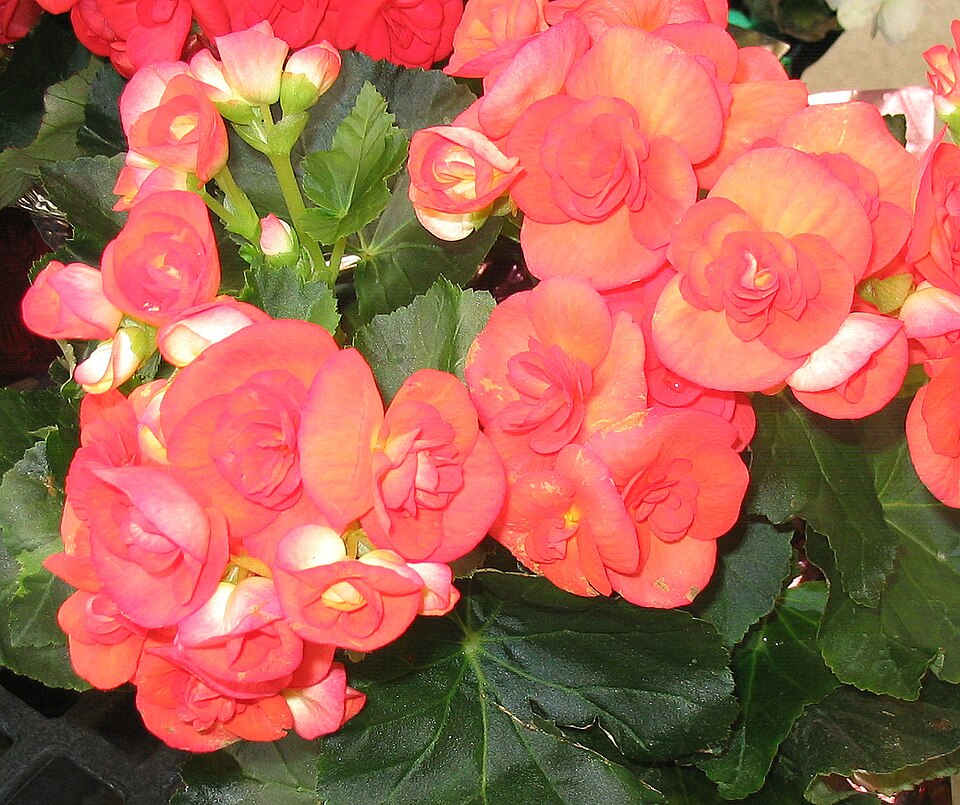
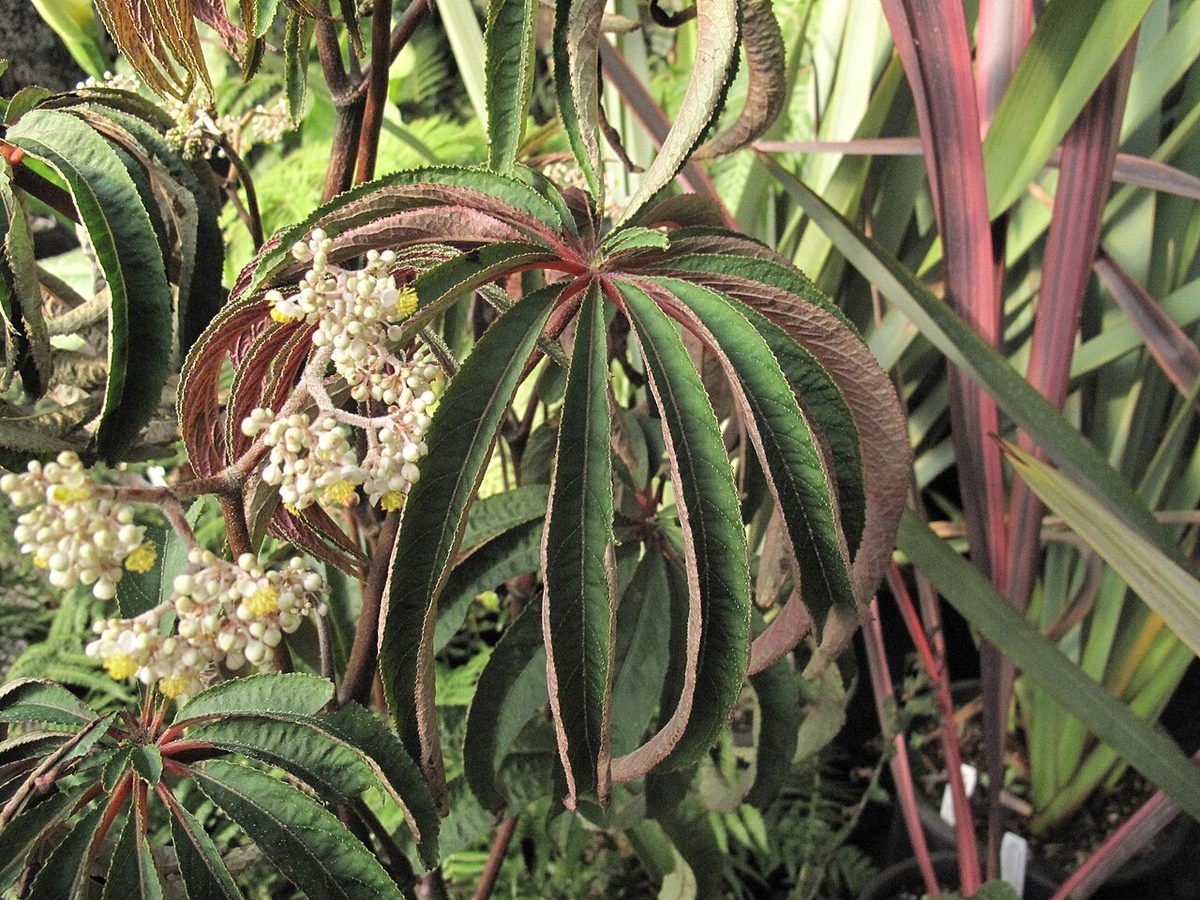
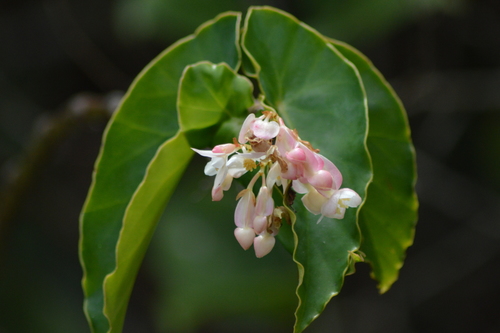
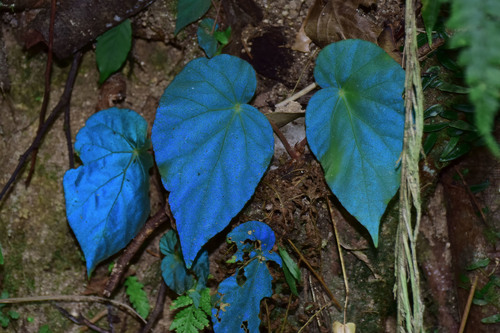
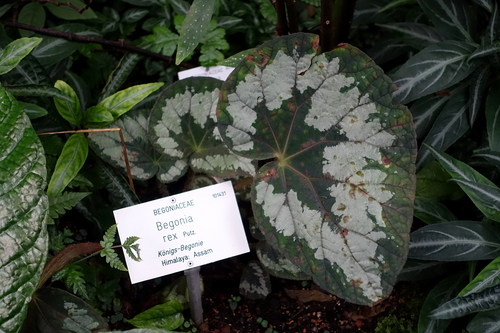
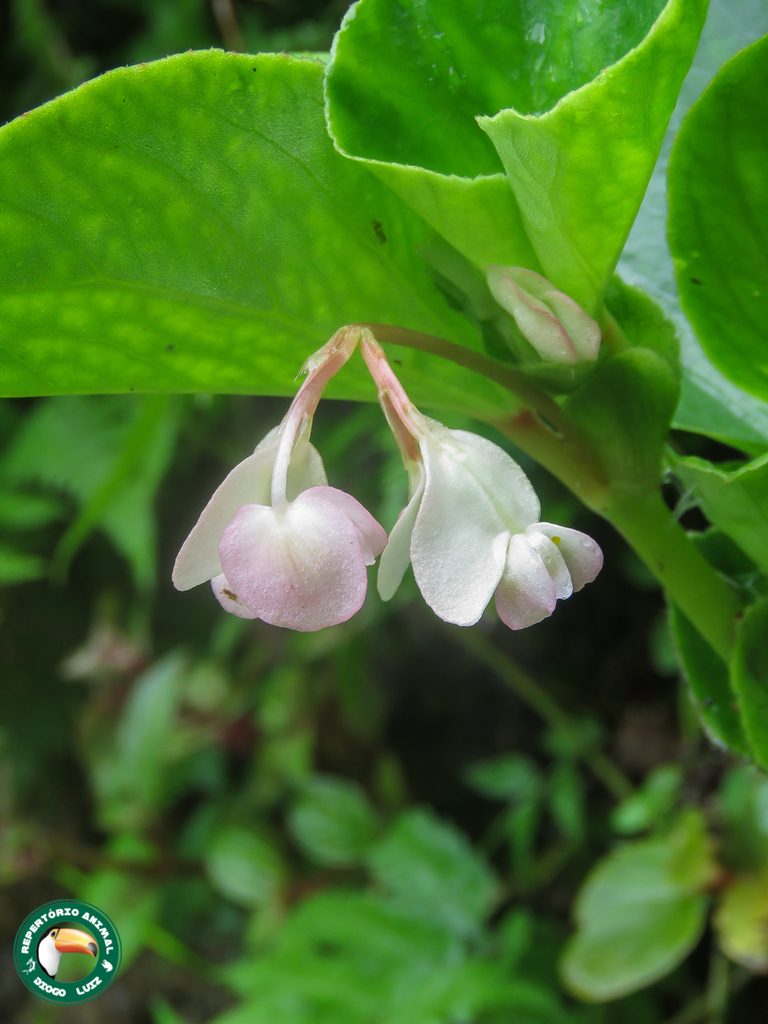
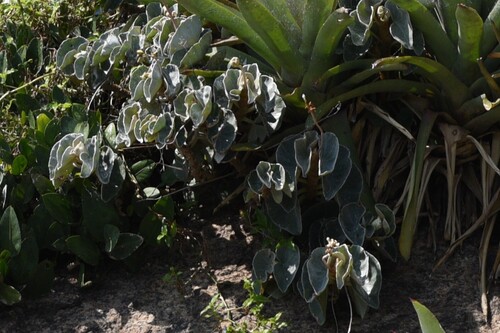
Begonia, commonly referred to as Wax Begonia or Rex Begonia, is a captivating genus of tropical and subtropical plants renowned for their striking foliage and colorful flowers. The genus includes over 1,800 species, each boasting unique leaf shapes, sizes, and colors. Begonia plants are prized for their ornamental value and are popular both as houseplants and garden specimens.

Habitat naturale
Begonia species originate from tropical and subtropical regions of South America, Central America, Africa, and Asia. They thrive in humid environments, often found in rainforests and along stream banks. These plants typically grow in the understory of forests, where they receive filtered sunlight. The natural habitat of Begonia plants is characterized by high humidity, warm temperatures, and rich, well-draining soil.
Storia e cultura
Begonia plants have a rich cultural history in their native regions. They have been cultivated for centuries for their ornamental value and medicinal properties. In many cultures, Begonias are considered symbols of caution and gratitude. The large, colorful leaves and flowers of some species, such as Begonia rex, have made them popular in horticulture and floral arrangements.
Utilizzi
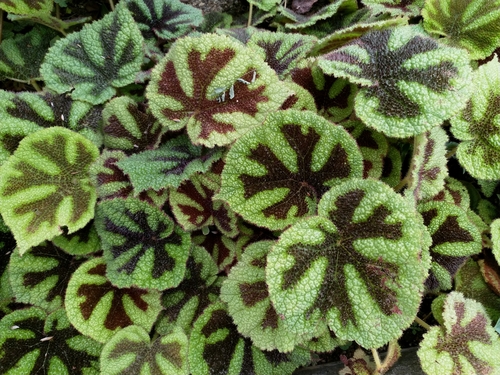
In modern times, Begonia plants are primarily grown for their ornamental value. Their vibrant foliage and flowers make them popular choices for interior decoration and landscape design. The wide variety of species and cultivars available allows for diverse aesthetic applications, from the bold, large-leaved Begonia maculata to the more delicate, intricately patterned leaves of Begonia 'Escargot'.
Conservazione
While many Begonia species are commonly cultivated, some are considered rare or endangered in their natural habitats due to habitat destruction and over-harvesting. Conservation efforts are important to preserve the genetic diversity and ecological roles of these plants in their native regions.
Begonia boliviensis
Begonia boliviensis
Begonia cucullata
Begonia cucullata
Begonia erythrophylla
Begonia grandis
Begonia grandis
Begonia hybrid
Begonia hybrid
1 cultivar
Begonia luxurians
Begonia maculata
Begonia maculata
Begonia masoniana
Begonia masoniana
Begonia pavonina
Begonia pavonina
Begonia rex
Begonia rex
Begonia semperflorens
Begonia venosa
Begonia venosa
Luce

Bright, indirect light is essential for most Begonias to flower well. An east- or west-facing window is ideal. Rex Begonias (grown for foliage) tolerate lower light; tuberous and fibrous Begonias need brighter conditions for blooming. Avoid direct harsh afternoon sun, which scorches leaves and flowers.

Acqua

Allow the top 2–3 cm to dry between waterings, then water thoroughly at the soil level. CRITICAL: Never wet the leaves or flowers — water on the foliage causes powdery mildew and grey mould (Botrytis), which spreads rapidly. Water from below (place pot in a saucer of water for 20–30 minutes, then drain) to keep foliage dry. Reduce watering significantly in winter.

Substrato

Well-draining, slightly acidic mix: 50% quality potting compost, 30% perlite, 20% fine bark. Good drainage prevents root rot in the fibrous roots.

Temperatura e umidità

Optimal 18–24 °C. Tuberous Begonias require a cool dormancy period (10–13 °C) in winter. Moderate humidity is ideal — but ensure good air circulation to prevent fungal disease. Do not mist the leaves.

Concimazione

Feed every 2 weeks during spring and summer with a high-phosphorus/potassium fertilizer (e.g. tomato fertilizer) to promote flowering. Stop feeding during winter dormancy for tuberous types.

Potatura

Remove spent flowers promptly to encourage continuous blooming. Pinch stem tips for bushy growth. Tuberous Begonias die back completely in winter — reduce watering until the stems wither, then store the tuber dry and cool until spring. Rex Begonias rest in winter but rarely go fully dormant. Propagate Rex Begonias from single leaf cuttings.

Talea

The most common method for propagating Begonia is by stem cuttings. This involves taking a section of the stem and encouraging it to root. Ensure the parent plant is healthy before proceeding.

1
Cut a healthy stem from the parent plant just below a node.
2
Allow the cut end to dry and form a callus for a few hours.
3
Place the cutting in a container with moist, well-draining potting mix.
4
Keep in a warm, humid environment with indirect light until roots develop.
Why are my Begonia leaves developing white powdery spots?
This is powdery mildew — a fungal disease that thrives when leaves stay damp, humidity is high and airflow is poor. Never mist Begonia leaves. Water from below, improve ventilation and treat with a diluted bicarbonate of soda spray or a fungicide.
My tuberous Begonia is dying back in autumn — is it dead?
No — this is normal seasonal dormancy. Reduce watering until the stems wither, then cut them back. Store the tuber in barely moist sand or coco coir at 10–13 °C in a cool, frost-free place. In spring, start watering again and it will shoot new growth.
How do I propagate Rex Begonias?
Rex Begonias can be propagated from single leaves. Cut a healthy leaf, make several cuts across the main veins with a sharp blade, lay the leaf flat on moist coco coir and secure it with hairpins. New plantlets develop from each cut point within 6–8 weeks. Keep in high humidity and indirect light.