| Regno | Plantae |
| Sottoregno | Tracheobionta |
| Superdivisione | Spermatophyta |
| Divisione | Magnoliophyta |
| Classe | Liliopsida |
| Ordine | Zingiberales |
| Famiglia | Marantaceae |
| Sottofamiglia | Marantoideae |
| Genere | Calathea |
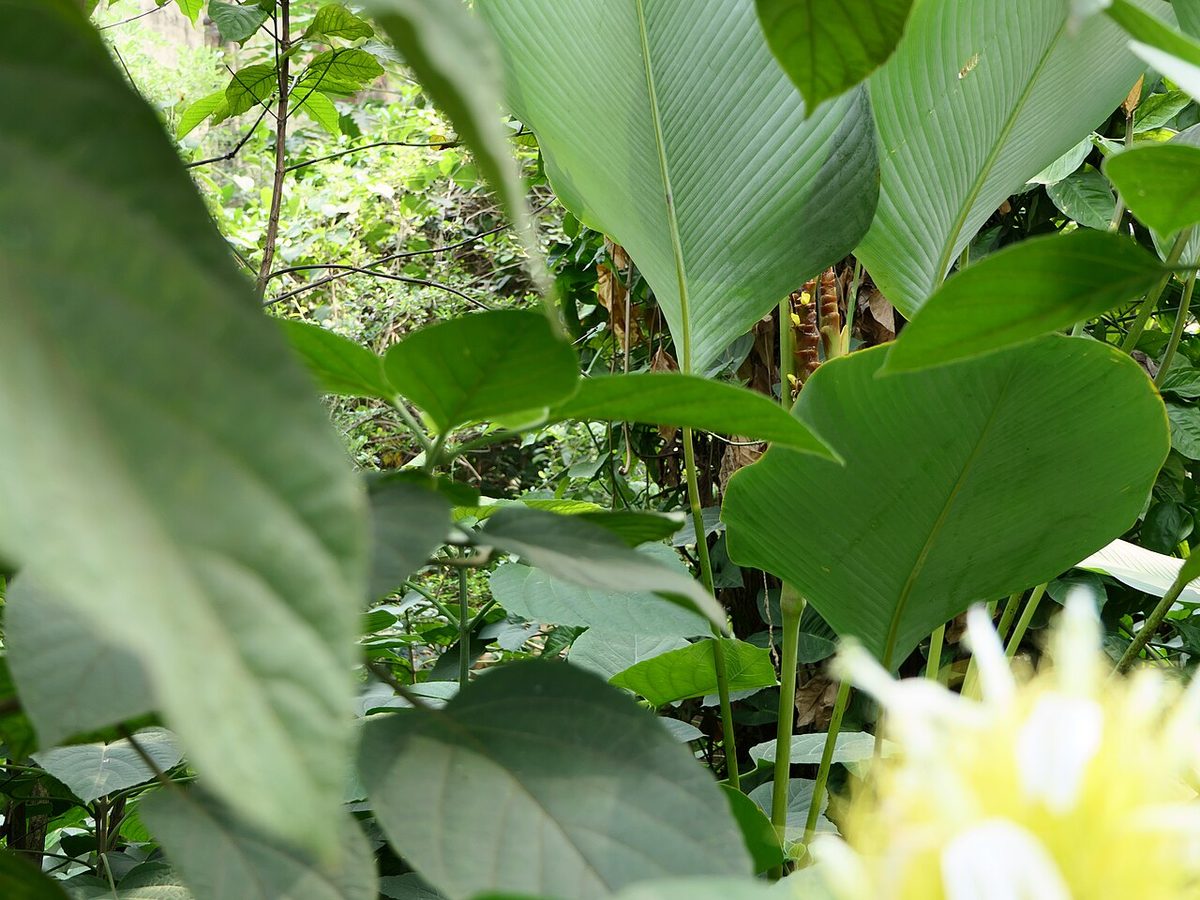
Calathea, commonly referred to as Peacock Plant or Prayer Plant, is a captivating genus of tropical and subtropical plants renowned for their striking foliage. The genus includes around 60 species, each boasting unique leaf patterns, sizes, and colors. Calathea plants are prized for their ornamental value and are popular both as houseplants and garden specimens.
Bright to medium indirect light is ideal for Calathea (now reclassified as Goeppertia). The spectacular leaf patterning develops best in good filtered light — a spot near a window with a sheer curtain, or 1–2 metres from a sunny window. Avoid direct sun entirely, which bleaches and scorches the patterned leaves rapidly. Calathea tolerates lower light but growth slows and markings lose contrast.
Keep the soil consistently and evenly moist — allow only the top 1–2 cm to dry between waterings. CRITICAL: Calathea is extremely sensitive to fluoride and chlorine in tap water. Even low fluoride concentrations cause brown leaf tips and edges. Always use rainwater, distilled water or tap water left to stand in an open container for 24 hours. Hard (limey) water also causes damage over time — use filtered or soft water.
Moisture-retentive but well-draining mix: 60% peat or coco coir, 20% perlite, 20% fine bark. Slightly acidic pH (5.5–6.5). Avoid dense, compacting soils.
Optimal 18–27 °C; minimum 15 °C. High humidity (60–80%) is essential — dry air is the primary cause of brown leaf edges in Calathea. Use a humidifier (most effective), pebble tray with water, or group with other plants. Avoid cold drafts and heating/air conditioning vents entirely.
Feed every 2–3 weeks during spring and summer with a balanced liquid fertilizer at half strength. Stop in winter. The delicate root system is easily burned — never exceed half strength.
Remove any yellowed or damaged leaves at the base. Calathea performs nyctinastic movement — the leaves rise vertically at night and lower during the day in response to light changes. This is completely normal and a sign of a healthy plant. Repot every 2 years in spring. Note: Calathea has been extensively reclassified — many popular species are now correctly named Goeppertia (e.g. G. orbifolia, G. ornata, G. medallion) but are sold interchangeably as Calathea.
The most common method for propagating Calathea is by division. This involves separating the rhizomes or tubers during repotting. Ensure the parent plant is healthy before proceeding.
Some Calathea species produce offsets, or "pups," which can be separated from the parent plant and potted individually.