Chlorophytum
Asparagaceae

Chlorophytum

Clorofito
RegnoPlantae
SottoregnoTracheobionta
SuperdivisioneSpermatophyta
DivisioneMagnoliophyta
ClasseLiliopsida
OrdineAsparagales
FamigliaAsparagaceae
GenereChlorophytum
Luce
Medium high
Acqua
Medium high
Specie
1

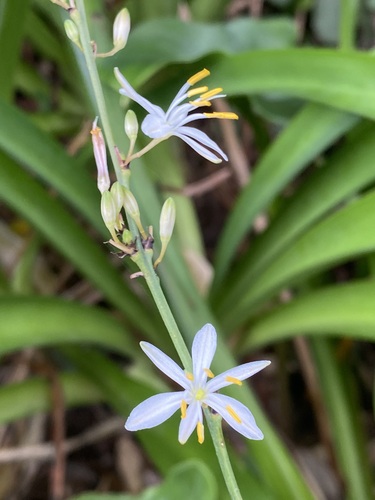
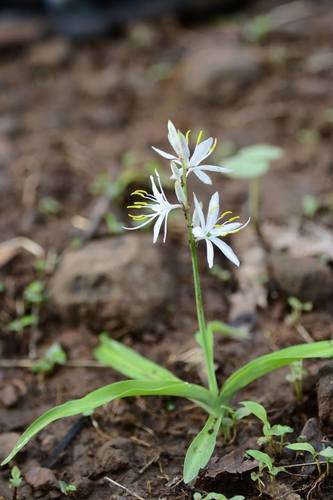
Spider Plant, scientifically known as Chlorophytum comosum, is a popular and versatile houseplant known for its air-purifying qualities and easy care. It is characterized by its long, arching leaves that are typically green with white or yellow variegation. Spider Plants are often grown in hanging baskets, allowing their unique plantlets or "spiderettes" to dangle attractively.

Habitat naturale
Spider Plants are native to the tropical and southern regions of Africa. They thrive in various environments, from forest floors to coastal regions, displaying great adaptability. These plants favor bright, indirect light but can tolerate lower light conditions, making them ideal for indoor growing.
Storia e cultura
Spider Plants have been cherished as ornamental plants for decades, particularly in Victorian England. They became especially popular in the 1970s as easy-to-care-for houseplants that could thrive in a range of indoor environments. Their air-purifying abilities, confirmed by NASA studies, add to their appeal as a beneficial addition to any home or office.
Utilizzi
Spider Plants are primarily grown for their aesthetic appeal and air-purifying qualities. Their long, arching leaves and ease of care make them a favorite for hanging baskets and shelves. Additionally, Spider Plants are non-toxic to pets, further enhancing their popularity in households.
Conservazione
Spider Plants are not considered endangered or at risk. They are widely cultivated and have a robust presence both in their native habitats and as cultivated houseplants globally.
Chlorophytum comosum
Medium high 5 cultivar
Luce

Adaptable to a wide range of light conditions — bright indirect light produces the fastest growth and most prolific spiderette production; moderate light is adequate for healthy foliage. Direct harsh sun causes leaf bleaching and browning. Variegated forms (the most common) maintain better contrast in brighter light.

Acqua

Allow the top 3–4 cm to dry between waterings, then water thoroughly. Spider Plant stores water in its fleshy roots (tubers) and is reasonably drought-tolerant. Do not let it stay completely dry for extended periods. Fluoride in tap water is a common cause of brown leaf tips — use rainwater or distilled water if possible. Avoid standing water in the saucer.

Substrato

Standard well-draining potting mix with some perlite. Spider Plant adapts to most mixes but prefers free-draining conditions.

Temperatura e umidità

Optimal 13–24 °C; tolerates slightly cooler conditions. Minimum 7 °C (it can survive light frost briefly). Standard indoor humidity is adequate, though higher humidity reduces brown tip development.

Concimazione

Feed every 2 weeks during spring and summer with a balanced liquid fertilizer at half strength. Avoid over-fertilizing — excess nitrogen causes lush growth but prevents the production of runners and spiderettes.

Potatura

Leave runners (long, arching stems) in place until the spiderettes (baby plants) at their tips develop small roots. Cut them off and pot individually in moist compost for easy propagation, or root in a glass of water first. Remove fully brown leaves at the base. Spider Plant is non-toxic to cats and dogs, making it an excellent choice for pet households.

Polloni/figli

The most common method for propagating Spider Plants is by using the offsets that grow from the main plant.

1
Allow the spiderettes to develop roots while still attached to the mother plant.
2
Once roots are visible, cut the spiderettes from the main plant.
3
Plant each spiderette in a small pot with well-draining soil.
4
Water lightly and place in bright, indirect light.
Divisione

Mature Spider Plants can be propagated by dividing the root clump.

1
Carefully remove the plant from its pot and gently separate the root ball into smaller sections.
2
Ensure each section has several leaves and a portion of the root system.
3
Plant each section in its own pot with well-draining soil.
4
Water thoroughly and place in bright, indirect light.
Why do my Spider Plant leaves have brown tips?
Brown tips are very common and usually caused by fluoride in tap water, low humidity, inconsistent watering or excess fertilizer. Switch to rainwater or distilled water, increase humidity slightly and flush the pot periodically with plain water to remove fertilizer salt build-up.
How do I propagate the baby spiderettes?
Wait until the babies (spiderettes) have tiny root nubs at their base. Then either: (1) cut them off and place in a glass of water until roots are 3–4 cm long, then pot in moist compost; or (2) while still attached to the runner, pin them onto a small pot of moist compost — they will root in 2–3 weeks before you cut the runner.
My Spider Plant never produces babies — what's wrong?
Spiderette production is triggered by slightly root-bound conditions, high light levels and reduced nitrogen fertilizer. Use a pot only slightly larger than the root ball, move to a brighter spot, and switch to a fertilizer lower in nitrogen. Maturity also plays a role — young plants rarely produce runners.