Clusia
Clusiaceae

Clusia

Autograph Tree
RegnoPlantae
SottoregnoTracheobionta
SuperdivisioneSpermatophyta
DivisioneMagnoliophyta
ClasseMagnoliopsida
OrdineMalpighiales
FamigliaClusiaceae
GenereClusia
Luce
Medium high
Acqua
Low
Specie
12

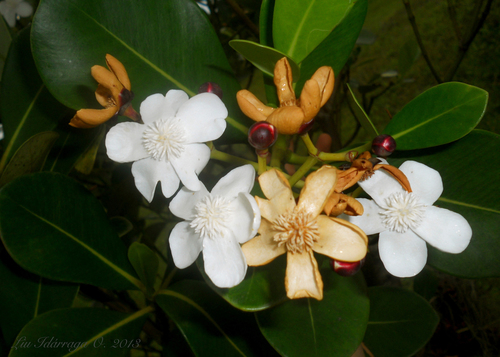
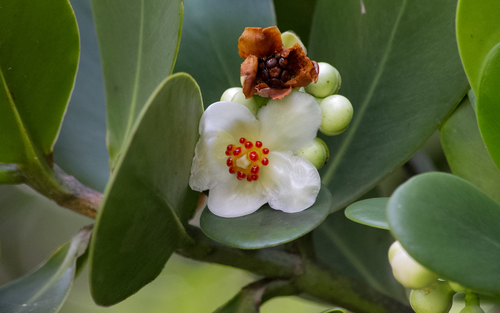
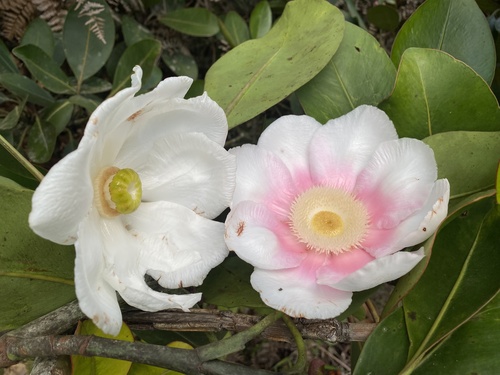
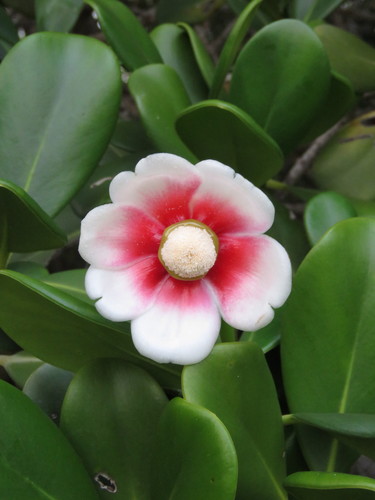
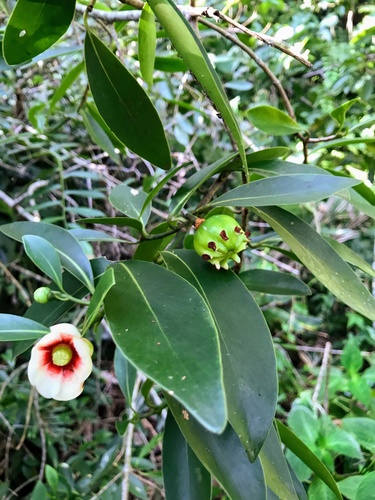
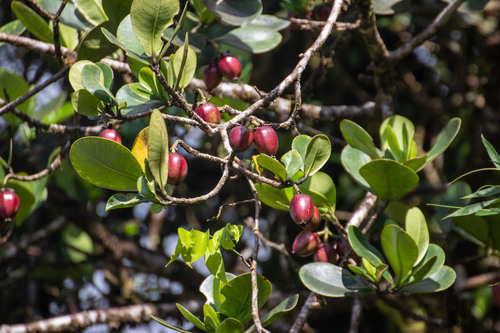
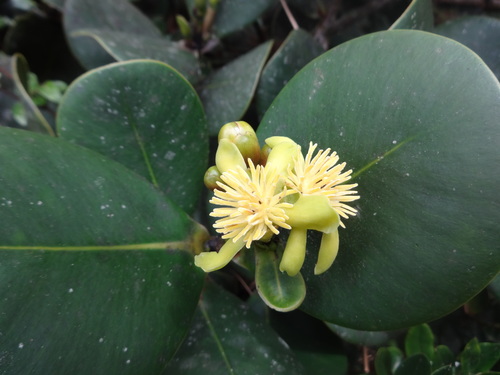
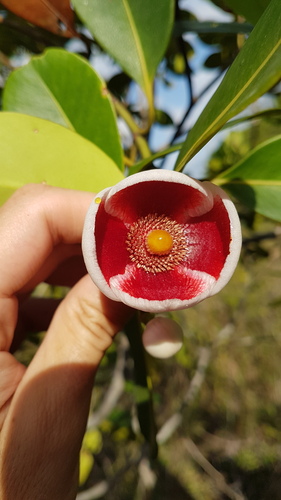
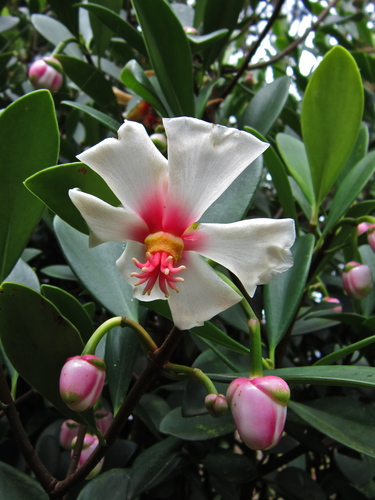
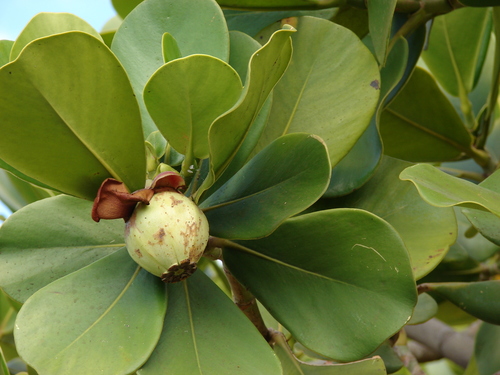
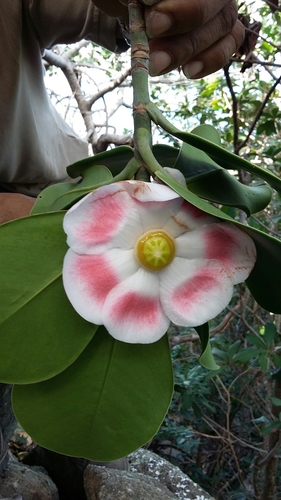
Clusia, commonly referred to as Autograph Tree or Pitch Apple, is a captivating genus of tropical plants renowned for their versatile growth habits and resilience. The genus includes around 300 species, each boasting unique foliage, growth forms, and flowers. Clusia plants are prized for their ornamental value and are popular both as houseplants and garden specimens.

Habitat naturale
Clusia species originate from tropical regions of the Americas, primarily in the Caribbean and Central and South America. They thrive in humid environments and are often found in coastal areas, forests, and on rocky cliffs. These plants typically grow in a variety of conditions, from full sun to partial shade. The natural habitat of Clusia plants is characterized by high humidity, warm temperatures, and well-draining soil.
Storia e cultura
Clusia plants have a rich cultural history in their native regions. In many cultures, they are considered symbols of resilience and protection due to their hardy nature and ability to grow in challenging conditions. The large, thick leaves of some species have been used traditionally for writing messages, hence the name "Autograph Tree."
Utilizzi
In modern times, Clusia plants are primarily grown for their ornamental value. Their lush foliage and unique growth forms make them popular choices for interior decoration and landscape design. The versatility of Clusia species allows for diverse aesthetic applications, from the robust, large-leaved Clusia rosea to the more compact and decorative Clusia guttifera.
Conservazione
While many Clusia species are commonly cultivated, some are considered rare or endangered in their natural habitats due to habitat destruction and over-harvesting. Conservation efforts are important to preserve the genetic diversity and ecological roles of these plants in their native regions.
Clusia criuva
Clusia criuva
Clusia fluminensis
Clusia fluminensis
Clusia grandiflora
Clusia grandiflora
Clusia guttifera
Clusia hilariana
Clusia hilariana
Clusia lanceolata
Clusia lanceolata
Clusia major
Clusia major
Clusia multiflora
Clusia multiflora
Clusia nemorosa
Clusia nemorosa
Clusia orthoneura
Clusia orthoneura
Clusia rosea
Clusia rosea
Clusia verticillata
Luce

Clusia (Autograph Tree) thrives in bright, indirect light to some direct sun. A spot near a south- or east-facing window is ideal. More light produces denser, sturdier growth. It tolerates moderate shade but growth slows significantly. Outdoors in tropical climates, Clusia grows in full sun.

Acqua

Allow the top 3–5 cm of soil to dry between waterings. Clusia stores water in its thick, leathery leaves and is reasonably drought-tolerant. Overwatering causes root rot and yellowing. Water very sparingly in winter — once every 2–3 weeks is often sufficient.

Substrato

Well-draining, slightly sandy potting mix: 50% potting compost, 30% perlite, 20% coarse sand. Good drainage is essential.

Temperatura e umidità

Optimal 18–27 °C; minimum 10 °C. Tolerates dry indoor air well — one of the more humidity-tolerant tropical plants. Standard indoor conditions are adequate.

Concimazione

Feed monthly during spring and summer with a balanced liquid fertilizer at full strength. Stop in autumn and winter.

Potatura

Prune to control size in spring. Clusia responds well to pruning and can be shaped into a bushy shrub. The thick leaves are leathery enough to be 'autographed' with a fingernail — text inscribed heals over in contrasting colour, which is the origin of the common name.

Talea

The most common method for propagating Clusia is by cuttings. This involves taking a section of the stem and rooting it. Ensure the parent plant is healthy before proceeding.

1
Cut a healthy section of the stem with several leaves attached.
2
Allow the cutting to dry and callus for a few hours.
3
Plant the cutting in a well-draining potting mix and water thoroughly.
4
Place the cutting in bright, indirect light and maintain high humidity.
Polloni/figli

Some Clusia species produce offsets, or "pups," which can be separated from the parent plant and potted individually.

1
Gently pull or cut the offsets from the base of the parent plant.
2
Pot the offsets in a small container with a well-draining potting mix.
3
Water lightly and keep in a warm, humid environment with indirect light.
Why is my Clusia dropping leaves?
Leaf drop usually indicates overwatering or cold temperatures. Allow the soil to dry more between waterings and keep above 10 °C away from cold drafts.
Can I write on my Clusia leaf?
Yes — Clusia rosea is called the Autograph Tree because inscriptions made on the young leaves with a fingernail heal into contrasting raised scar tissue. This is a traditional practice in tropical regions.
Is Clusia toxic?
The fruit and sap contain compounds that are toxic and irritating. The sap is caustic — wear gloves when pruning. Keep away from children and pets.