Cordyline
Asparagaceae

Cordyline

Ti Plant
RegnoPlantae
SottoregnoTracheobionta
SuperdivisioneSpermatophyta
DivisioneMagnoliophyta
ClasseLiliopsida
OrdineAsparagales
FamigliaAsparagaceae
SottofamigliaLomandroideae
GenereCordyline
Luce
Medium high
Acqua
Medium high
Specie
12

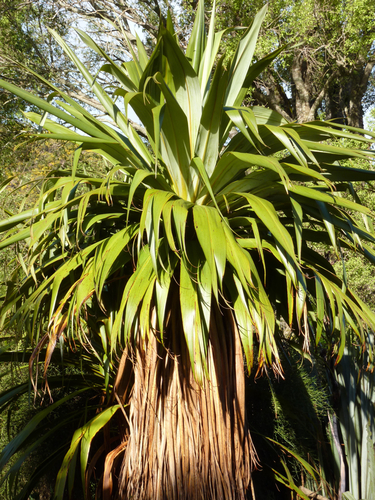
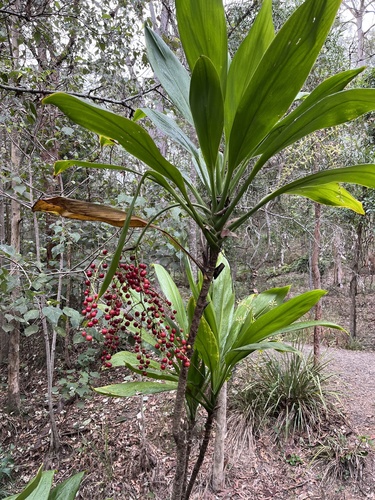
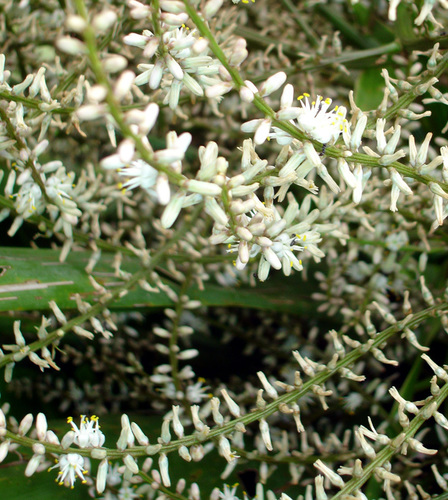
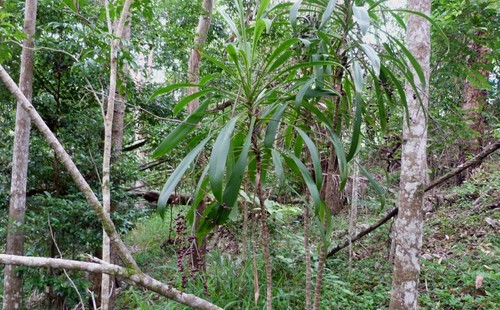
Cordyline, commonly referred to as Ti Plant or Good Luck Plant, is a captivating genus of tropical and subtropical plants renowned for their striking foliage. The genus includes around 15 species, each boasting unique leaf shapes, sizes, and colors. Cordyline plants are prized for their ornamental value and are popular both as houseplants and garden specimens.

Habitat naturale
Cordyline species originate from tropical and subtropical regions of Southeast Asia, the Pacific Islands, and parts of Australia. They thrive in humid environments and are often found in rainforests, along riverbanks, and in open woodlands. These plants typically grow in a variety of conditions, from full sun to partial shade. The natural habitat of Cordyline plants is characterized by high humidity, warm temperatures, and well-draining soil.
Storia e cultura
Cordyline plants have a rich cultural history in their native regions. In many Polynesian cultures, they are considered symbols of good luck and protection and are often used in traditional rituals and ceremonies. The leaves of some species, such as Cordyline fruticosa, have been used for various purposes, including clothing, shelter, and food wrappers.
Utilizzi
In modern times, Cordyline plants are primarily grown for their ornamental value. Their dramatic foliage and vibrant leaf colors make them popular choices for interior decoration and landscape design. The wide variety of species and cultivars available allows for diverse aesthetic applications, from the bold, colorful leaves of Cordyline fruticosa to the more subtle, green leaves of Cordyline australis.
Conservazione
While many Cordyline species are commonly cultivated, some are considered rare or endangered in their natural habitats due to habitat destruction and over-harvesting. Conservation efforts are important to preserve the genetic diversity and ecological roles of these plants in their native regions.
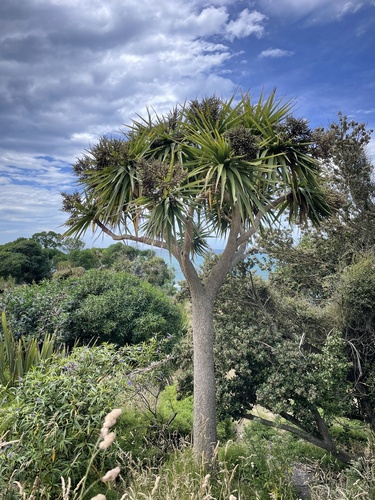
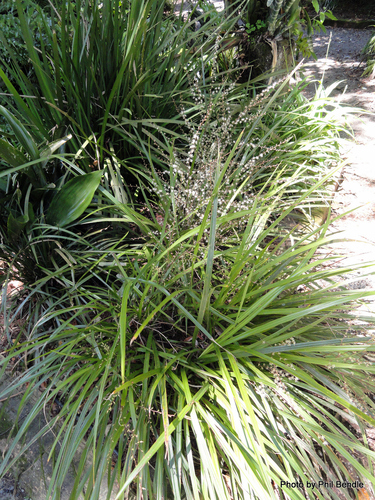
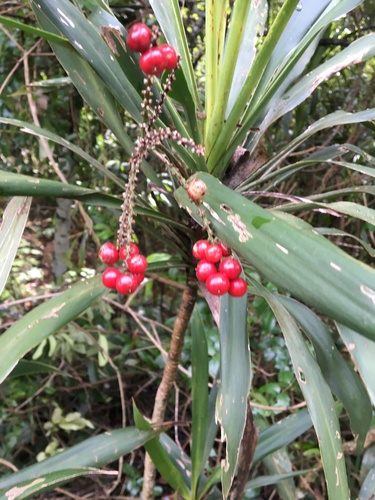
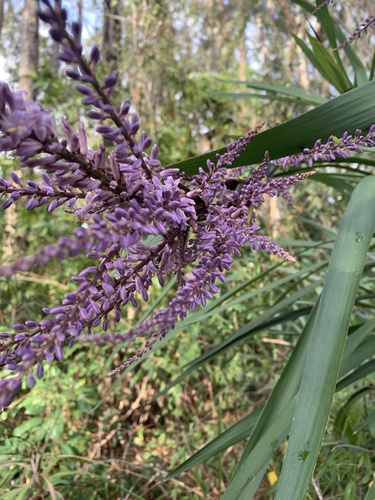
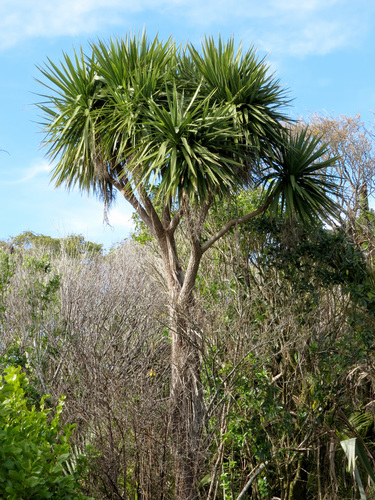
Cordyline australis
Cordyline australis
Cordyline banksii
Cordyline banksii
Cordyline cannifolia
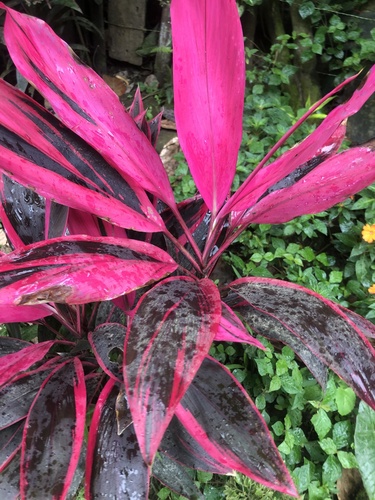
Cordyline fruticosa
Cordyline fruticosa
Cordyline indivisa
Cordyline indivisa
Cordyline manners-suttoniae
Cordyline obtecta
Cordyline obtecta
Cordyline petiolaris
Cordyline pumilio
Cordyline pumilio
Cordyline rubra
Cordyline rubra
Cordyline stricta
Cordyline stricta
Cordyline terminalis
Luce

Cordyline thrives in bright, indirect light to some direct sun. The more colourful varieties (red, pink, tricolour) require brighter light to maintain their intense pigmentation. Green varieties tolerate moderate shade. Direct intense midday sun scorches the long, strap-like leaves.

Acqua

Allow the top 2–3 cm of soil to dry between waterings, then water thoroughly. Cordyline prefers consistent moderate moisture — it does not tolerate prolonged drought or waterlogging. Like Dracaena, it is sensitive to fluoride in tap water, which causes brown leaf tips. Use rainwater or filtered water where possible.

Substrato

Well-draining, fertile potting mix with added perlite (3:1). Slightly acidic pH (6.0–6.5).

Temperatura e umidità

Cordyline fruticosa (the most common indoor species) prefers 18–27 °C and is cold-sensitive. Cordyline australis is much more cold-hardy (to -5 °C) and is suitable for outdoor use in mild climates. Standard indoor humidity is adequate; dry air contributes to brown tips alongside fluoride.

Concimazione

Feed monthly during spring and summer with a balanced liquid fertilizer at half strength. Reduce in autumn, stop in winter.

Potatura

Remove old leaves at the base as they naturally yellow and die. Cordyline grows from a central trunk and does not branch unless the top is removed. If it becomes too tall, cut the main stem to the desired height — new shoots will emerge below the cut. Contains compounds mildly toxic to cats and dogs.

Talea

The most common method for propagating Cordyline is by cuttings. This involves taking a section of the stem and rooting it. Ensure the parent plant is healthy before proceeding.

1
Cut a healthy section of the stem with several leaves attached.
2
Allow the cutting to dry and callus for a few hours.
3
Plant the cutting in a well-draining potting mix and water thoroughly.
4
Place the cutting in bright, indirect light and maintain high humidity.
Polloni/figli

Some Cordyline species produce offsets, or "pups," which can be separated from the parent plant and potted individually.

1
Gently pull or cut the offsets from the base of the parent plant.
2
Pot the offsets in a small container with a well-draining potting mix.
3
Water lightly and keep in a warm, humid environment with indirect light.
Why do my Cordyline leaves have brown tips?
Brown tips on Cordyline are caused by the same factors as Dracaena: fluoride in tap water (the most common cause), dry air, and inconsistent watering. Switch to rainwater or distilled water and maintain consistent soil moisture.
Why is my red Cordyline fading to green?
Coloured Cordylines require bright light to maintain their pigmentation. Move to a brighter position with indirect light. Green reversion in low light is common.
My Cordyline is getting very tall and top-heavy — what can I do?
Cut the main trunk back to the desired height in spring. New growth will sprout below the cut. The severed top section can also be air-layered or placed in water to root.