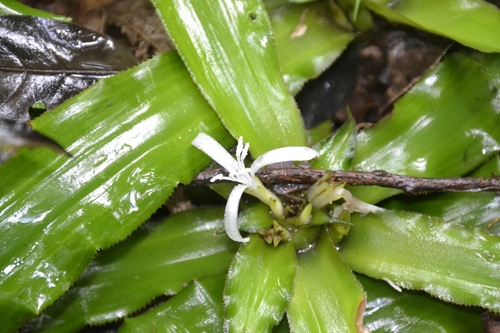
Cryptanthus
| Regno | Plantae |
| Sottoregno | Tracheobionta |
| Superdivisione | Spermatophyta |
| Divisione | Magnoliophyta |
| Classe | Liliopsida |
| Ordine | Poales |
| Famiglia | Bromeliaceae |
| Sottofamiglia | Bromelioideae |
| Genere | Cryptanthus |
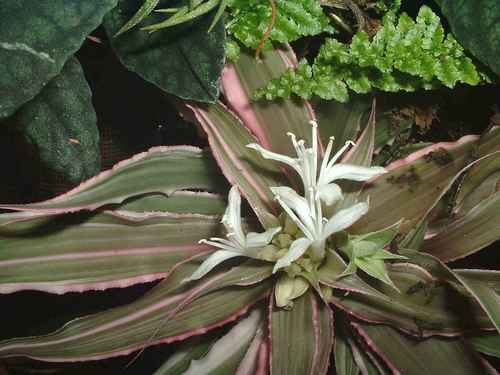
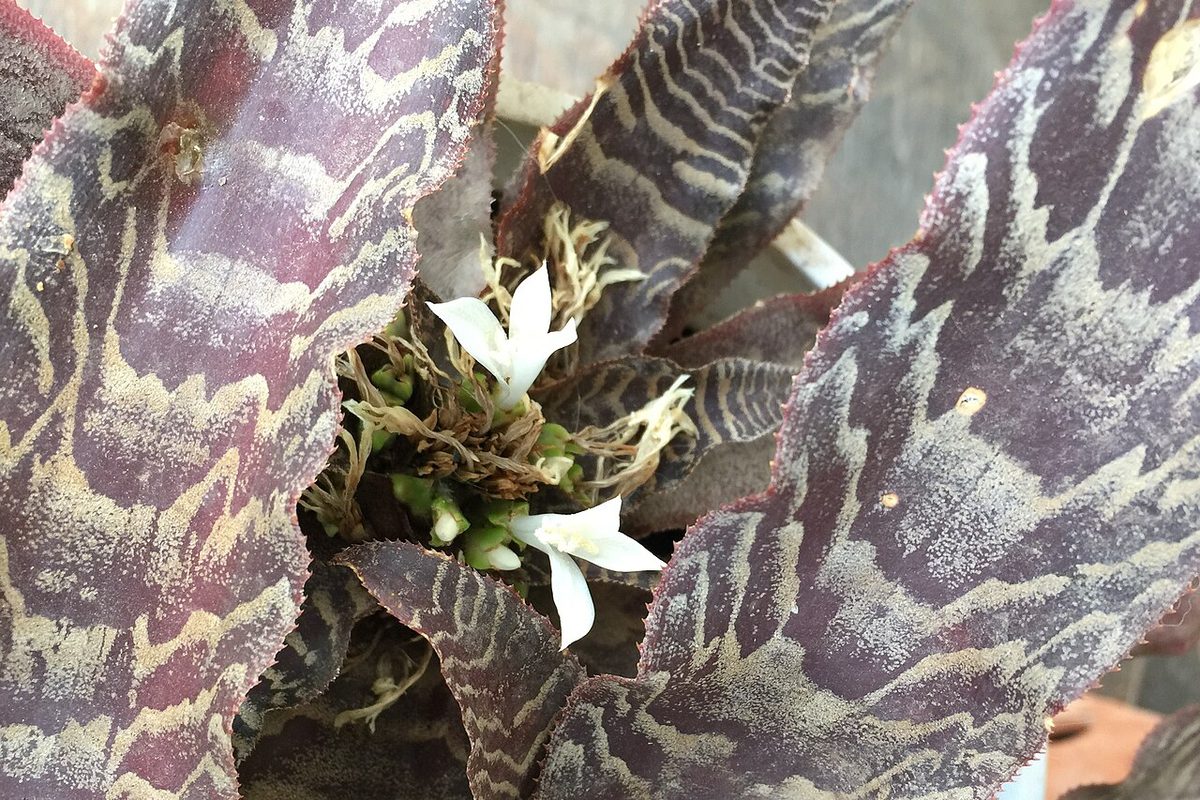
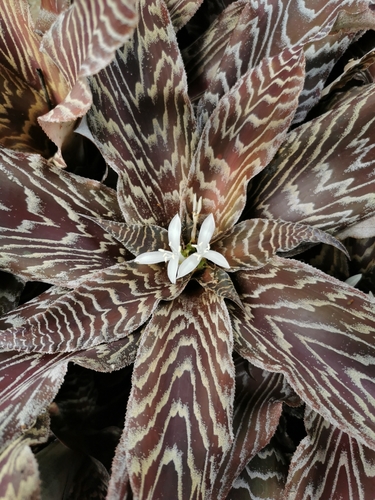
Cryptanthus, dette anche stelle di terra, è un affascinante genere di piante tropicali famose per il fogliame di grande effetto. Comprende circa 60 specie, ognuna con forma, dimensioni e colori delle foglie particolari. I cryptanthus sono apprezzati per il valore ornamentale e diffusi sia come piante da appartamento sia nei terrari.
Specie e varietà (4)
Guida alla cura
Luce
Il cryptanthus preferisce una luce intensa e filtrata: l'ideale è un posto a 1-2 metri da una finestra soleggiata o sotto una lampada per piante. A differenza delle bromeliacee “a cisterna”, non ha una coppa centrale che compensi la poca luce. Più luce intensifica le sfumature rosse, rosa e bronzee; con troppa poca le foglie sbiadiscono fino al verde.
Acqua
A differenza della maggior parte delle bromeliacee, il cryptanthus è una specie terricola senza coppa centrale che accumula acqua: annaffiare direttamente il substrato. Mantenerlo leggermente umido, lasciando asciugare solo il primo centimetro tra un'annaffiatura e l'altra. Usare acqua piovana o distillata: l'acqua del rubinetto con fluoro o cloro fa seccare le punte delle foglie. Nebulizzare ogni tanto la pianta per aumentare l'umidità attorno a essa.
Substrato
Usare un substrato leggero e molto drenante: bark per orchidee, perlite e un po' di torba o fibra di cocco. In natura il cryptanthus cresce sul suolo della foresta tra le foglie morte: evitare terricci compatti che trattengono l'acqua.
Temperatura e umidità
Prospera tra 18 e 27 °C. È sensibile al freddo: tenerlo sopra i 15 °C. Ha bisogno di umidità alta (60-80%): ideale per terrari o composizioni di più piante. Nonostante l'umidità richiesta, una buona circolazione d'aria previene i problemi fungini.
Concimazione
Concimare una volta al mese in primavera ed estate con un concime liquido bilanciato a metà dose, distribuito sul substrato (non sulle foglie). Non concimare in autunno e in inverno.
Potatura
Eliminare alla base le foglie esterne secche. Dopo la fioritura (un fiorellino centrale e raro), la rosetta madre muore lentamente: toglierla quando è del tutto secca e far crescere i polloni che si formano alla base.
Propagazione
Polloni/figli
Il metodo più comune per moltiplicare il cryptanthus è separare i polloni dalla pianta madre. Assicurarsi prima che la pianta madre sia sana.