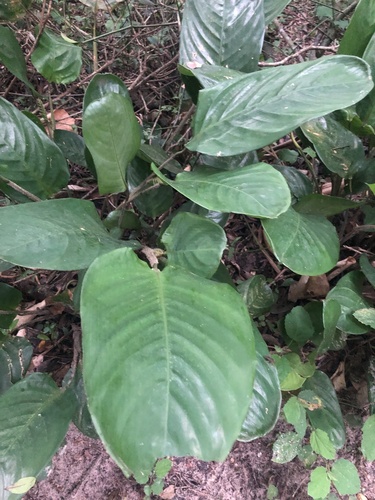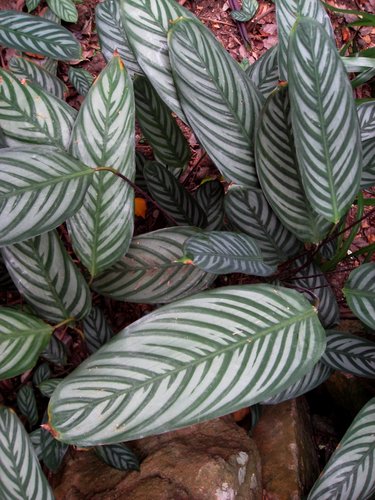
Ctenanthe
Marantaceae

Ctenanthe

Never Never Plant
RegnoPlantae
SottoregnoTracheobionta
SuperdivisioneSpermatophyta
DivisioneMagnoliophyta
ClasseLiliopsida
OrdineZingiberales
FamigliaMarantaceae
SottofamigliaMarantoideae
GenereCtenanthe
Luce
Medium high
Acqua
Medium high
Specie
5

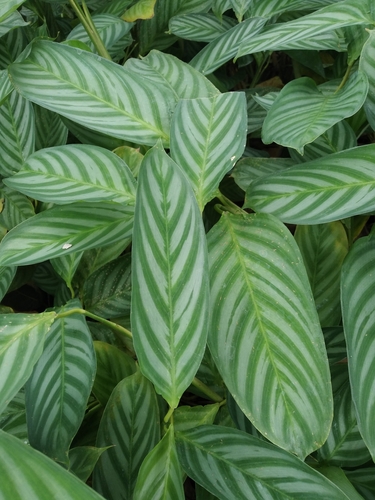
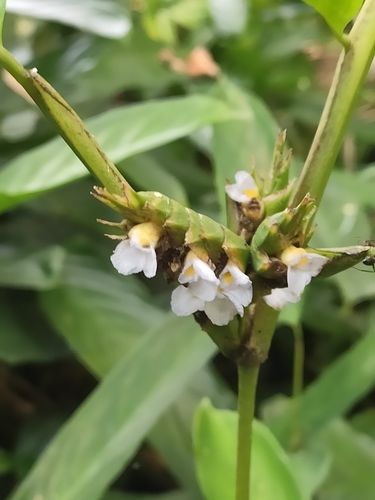
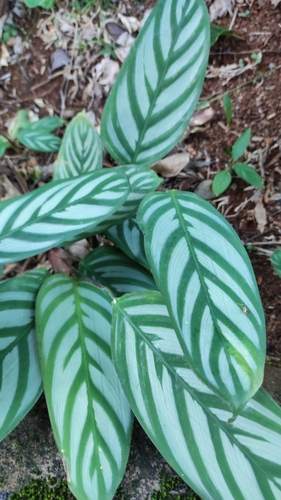
Ctenanthe, commonly referred to as Never Never Plant or Brazilian Snow Plant, is a captivating genus of tropical plants renowned for their striking foliage. The genus includes around 15 species, each boasting unique leaf shapes, sizes, and colors. Ctenanthe plants are prized for their ornamental value and are popular both as houseplants and garden specimens.

Habitat naturale
Ctenanthe species originate from tropical regions of Central and South America, particularly Brazil. They thrive in humid environments, often found in rainforests and along stream banks. These plants typically grow in the understory of forests, where they receive filtered sunlight. The natural habitat of Ctenanthe plants is characterized by high humidity, warm temperatures, and rich, well-draining soil.
Storia e cultura
Ctenanthe plants have a rich cultural history in their native regions. They are often used in traditional medicine and are valued for their ornamental beauty. The striking leaves of some species, such as Ctenanthe oppenheimiana, are used in various cultural rituals and as decorative elements.
Utilizzi
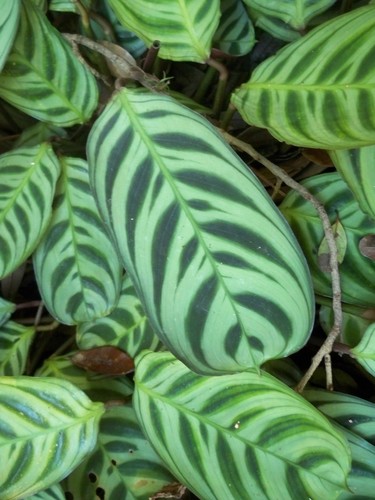
In modern times, Ctenanthe plants are primarily grown for their ornamental value. Their dramatic foliage makes them popular choices for interior decoration and landscape design. The wide variety of species and cultivars available allows for diverse aesthetic applications, from the bold, large-leaved Ctenanthe burle-marxii to the more delicate, intricately patterned leaves of Ctenanthe setosa.
Conservazione
While many Ctenanthe species are commonly cultivated, some are considered rare or endangered in their natural habitats due to habitat destruction and over-harvesting. Conservation efforts are important to preserve the genetic diversity and ecological roles of these plants in their native regions.
Ctenanthe amabilis
Ctenanthe amabilis
Ctenanthe burle-marxii
Ctenanthe lubbersiana
Ctenanthe oppenheimiana
Ctenanthe setosa
Ctenanthe setosa
Luce

Bright, indirect light is ideal — a spot 1–2 metres from an east- or north-facing window. Ctenanthe tolerates moderate shade but loses its variegation contrast. Direct sun scorches the leaves and bleaches the patterning.

Acqua

Keep the soil evenly moist but never waterlogged. Water as soon as the top 1–2 cm dry out. Like all Marantaceae, Ctenanthe is sensitive to fluoride and chlorine — use rainwater, filtered or left-to-stand tap water to prevent brown leaf edges and tips.

Substrato

Use a moisture-retentive but well-draining mix: 60% peat or coco coir, 20% perlite, 20% fine orchid bark. Slightly acidic pH (5.5–6.5) is ideal.

Temperatura e umidità

Optimal range 18–27 °C; minimum 15 °C. High humidity (60–80%) is essential — dry air causes the leaf edges to brown. Place on a pebble tray with water or use a humidifier. Avoid cold drafts and air conditioning vents.

Concimazione

Feed every 2–3 weeks during spring and summer with a balanced liquid fertilizer at half strength. Reduce to monthly in autumn and stop in winter. Excess fertilizer causes salt burn on the delicate root system.

Potatura

Remove any yellowed or damaged leaves at the base to keep the plant tidy. Like Maranta, Ctenanthe performs nyctinastic movement — leaves fold upward at night and open during the day. This is entirely normal and is a sign of a healthy plant. Repot every 2 years in spring using a pot only slightly larger than the root ball.

Divisione

The most common method for propagating Ctenanthe is by division. This involves separating the rhizomes during repotting. Ensure the parent plant is healthy before proceeding.

1
Carefully remove the plant from its pot and gently shake off excess soil to expose the roots.
2
Locate natural divisions in the root ball where new shoots are emerging.
3
Use a sharp, sterilized knife to cut the rhizomes, ensuring each division has at least one shoot and some roots.
4
Plant each division in a separate pot with a well-draining potting mix, water thoroughly, and place in bright, indirect light.
Polloni/figli

Some Ctenanthe species produce offsets, or "pups," which can be separated from the parent plant and potted individually.

1
Gently pull or cut the offsets from the base of the parent plant.
2
Pot the offsets in a small container with a well-draining potting mix.
3
Water lightly and keep in a warm, humid environment with indirect light.
Why do my Ctenanthe leaves have brown edges?
Brown edges are nearly always caused by dry air or fluoride/chlorine in tap water. Increase humidity using a pebble tray or humidifier, and switch to rainwater or filtered water.
Is it normal for the leaves to move?
Yes — Ctenanthe, like Maranta and Calathea, performs nyctinastic movement: leaves rise vertically at night and lower during the day. This is driven by changes in light and is a sign the plant is healthy.
Why is my Ctenanthe losing its variegation?
Insufficient light is the main cause. Move the plant to a brighter position with indirect light to restore the contrasting green and silver patterning.