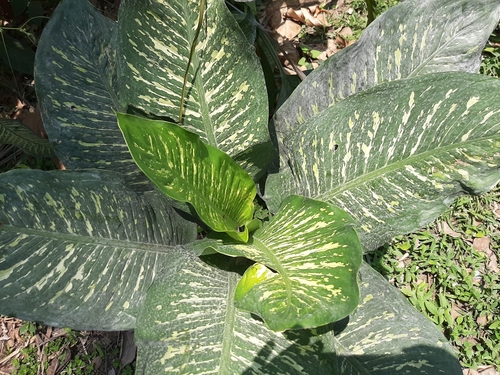
Dieffenbachia
Araceae

Dieffenbachia

Dumb Cane
RegnoPlantae
SottoregnoTracheobionta
SuperdivisioneSpermatophyta
DivisioneMagnoliophyta
ClasseLiliopsida
OrdineAlismatales
FamigliaAraceae
SottofamigliaAroideae
GenereDieffenbachia
Luce
Low
Acqua
Medium high
Specie
5

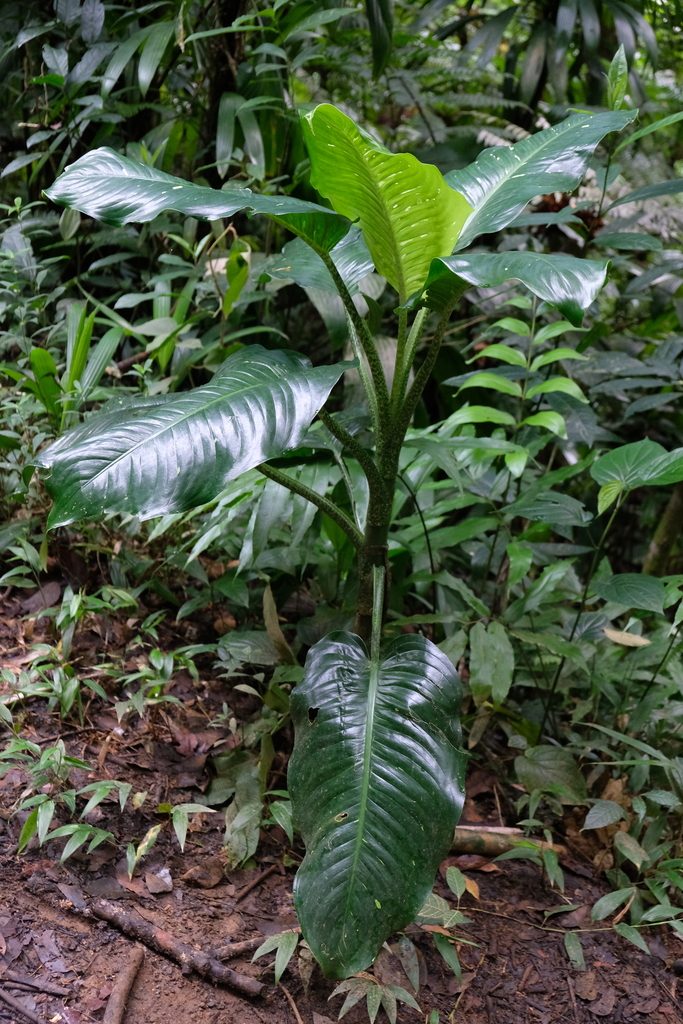
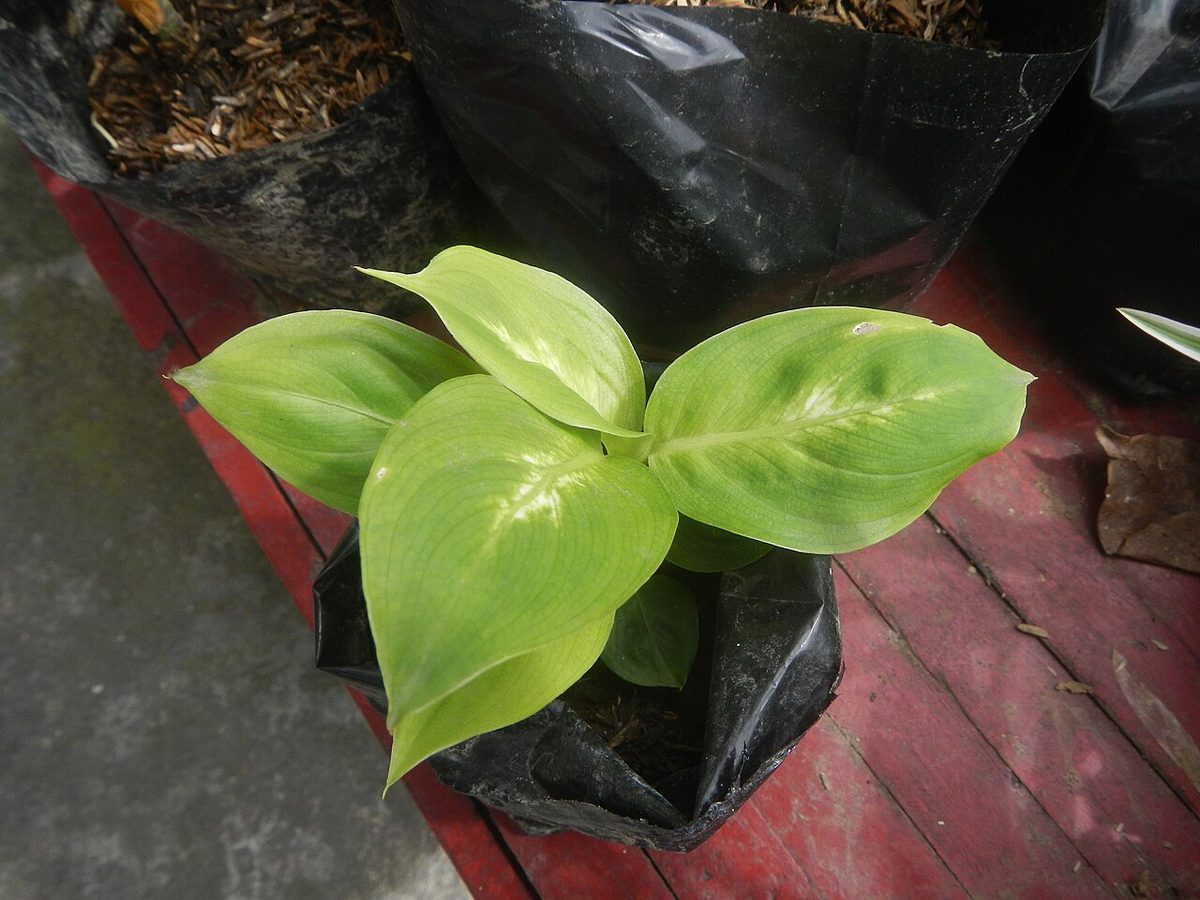
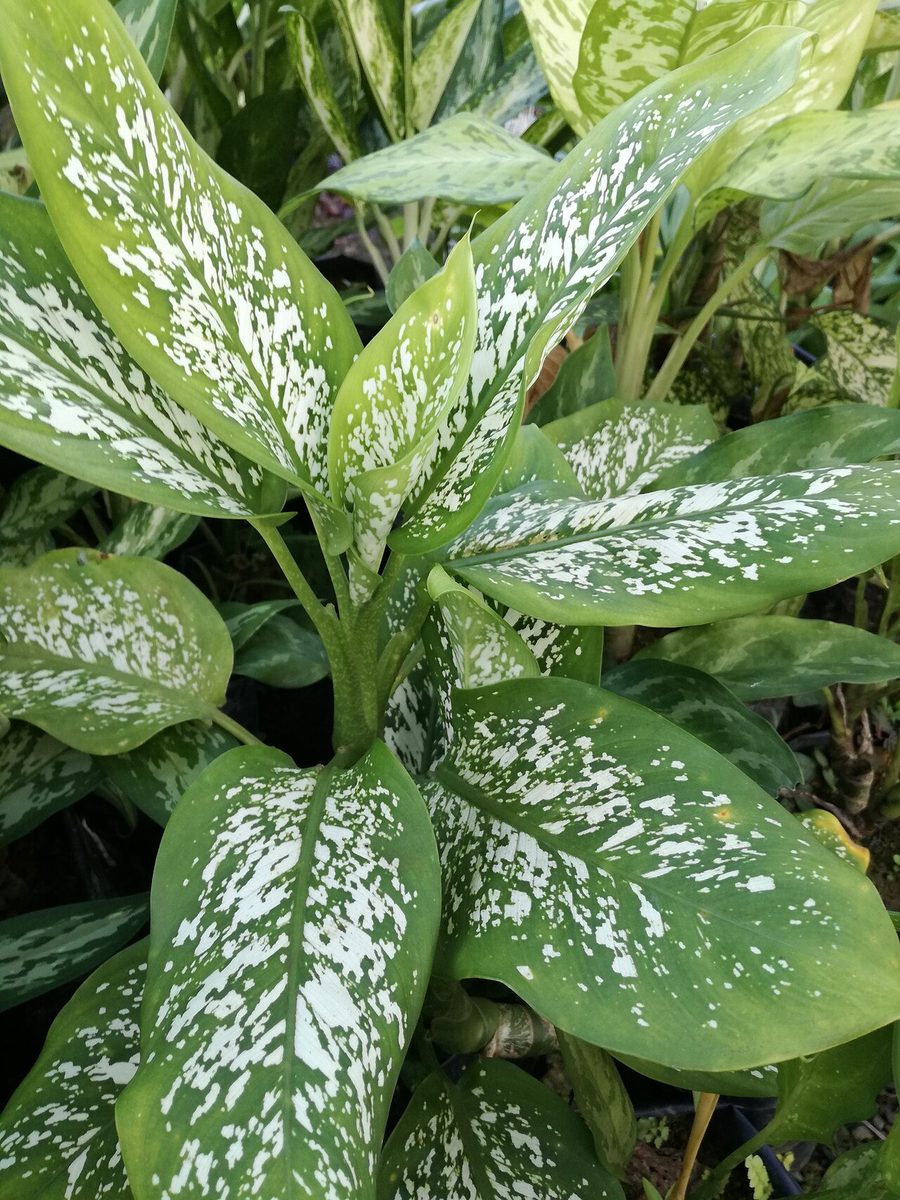
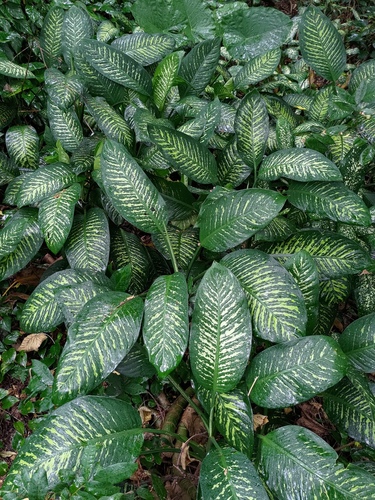
Dieffenbachia, commonly referred to as Dumb Cane, is a captivating genus of tropical plants renowned for their striking foliage. The genus includes around 30 species, each boasting unique leaf shapes, sizes, and colors. Dieffenbachia plants are prized for their ornamental value and are popular both as houseplants and garden specimens.

Habitat naturale
Dieffenbachia species originate from tropical regions of Central and South America. They thrive in humid environments, often found in rainforests and along stream banks. These plants typically grow in the understory of forests, where they receive filtered sunlight. The natural habitat of Dieffenbachia plants is characterized by high humidity, warm temperatures, and rich, well-draining soil.
Storia e cultura
Dieffenbachia plants have a rich cultural history in their native regions. They are often used in traditional medicine and are valued for their ornamental beauty. The large, striking leaves of some species, such as Dieffenbachia seguine, are used in various cultural rituals and as decorative elements.
Utilizzi
In modern times, Dieffenbachia plants are primarily grown for their ornamental value. Their dramatic foliage makes them popular choices for interior decoration and landscape design. The wide variety of species and cultivars available allows for diverse aesthetic applications, from the bold, large-leaved Dieffenbachia amoena to the more delicate, intricately patterned leaves of Dieffenbachia maculata.
Conservazione
While many Dieffenbachia species are commonly cultivated, some are considered rare or endangered in their natural habitats due to habitat destruction and over-harvesting. Conservation efforts are important to preserve the genetic diversity and ecological roles of these plants in their native regions.
Dieffenbachia amoena
Dieffenbachia hybrid
1 cultivar
Dieffenbachia maculata
Dieffenbachia picta
Dieffenbachia seguine
Luce

Tolerates low to medium indirect light well, making it one of the more forgiving foliage plants for less bright interiors. Bright indirect light produces faster growth and more vivid variegation. Avoid direct sun, which scorches the large leaves.

Acqua

Allow the top 3–4 cm of soil to dry between waterings, then water thoroughly. Reduce frequency in winter. Dieffenbachia tolerates occasional drought better than soggy soil — overwatering causes yellowing lower leaves and root rot.

Substrato

Use a well-draining, peat-based potting mix with added perlite (roughly 3:1). Good drainage is important: the thick stems store water and are prone to rot if the root zone stays wet.

Temperatura e umidità

Optimal range 18–27 °C; minimum 12 °C. Avoid cold drafts — sudden cold causes drooping and leaf discolouration. Medium humidity is adequate, but higher humidity promotes larger, lusher growth.

Concimazione

Feed monthly during spring and summer with a balanced liquid fertilizer at half strength. No fertilizing in autumn or winter. Avoid high-nitrogen formulas, which encourage leggy growth.

Potatura

⚠️ CAUTION: Dieffenbachia sap contains calcium oxalate crystals — ALWAYS wear gloves when pruning or repotting. Contact with eyes or mouth causes intense burning and temporary swelling of the tongue and throat (hence the common name 'Dumb Cane'). Keep away from children and pets. Prune the stem back in spring to encourage branching if the plant becomes leggy. The cut stem can be used for propagation.

Divisione

The most common method for propagating Dieffenbachia is by division. This involves separating the stems during repotting. Ensure the parent plant is healthy before proceeding.

1
Carefully remove the plant from its pot and gently shake off excess soil to expose the roots.
2
Locate natural divisions in the root ball where new shoots are emerging.
3
Use a sharp, sterilized knife to cut the stems, ensuring each division has at least one shoot and some roots.
4
Plant each division in a separate pot with a well-draining potting mix, water thoroughly, and place in bright, indirect light.
Talea

Some Dieffenbachia species can be propagated by stem cuttings.

1
Cut a healthy stem section with several nodes using a sharp, sterilized knife.
2
Allow the cut end to dry for a day or two.
3
Plant the cutting in a small container with a well-draining potting mix.
4
Water lightly and keep in a warm, humid environment with indirect light.
Is Dieffenbachia dangerous?
Yes. The sap contains calcium oxalate crystals that cause a severe burning sensation, swelling of the mouth and throat, and temporary inability to speak if ingested. Always wear gloves when handling. Keep out of reach of children, cats and dogs.
Why are my Dieffenbachia leaves turning yellow?
Yellow lower leaves are most often caused by overwatering. Allow the top 3–4 cm of soil to dry before watering again. Less commonly, yellowing can indicate low light, cold temperatures or nutrient deficiency.
My Dieffenbachia is getting too tall and leggy — what should I do?
Cut the stem back in spring to the desired height. The plant will sprout new growth below the cut. The removed stem sections (each with a node) can be laid horizontally in moist compost to propagate new plants.