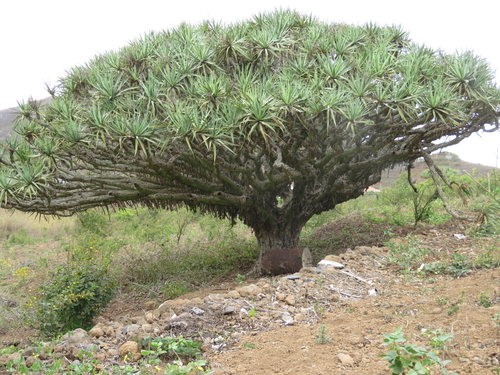
Dracaena
| Regno | Plantae |
| Sottoregno | Tracheobionta |
| Superdivisione | Spermatophyta |
| Divisione | Magnoliophyta |
| Classe | Liliopsida |
| Ordine | Asparagales |
| Famiglia | Asparagaceae |
| Sottofamiglia | Nolinoideae |
| Genere | Dracaena |
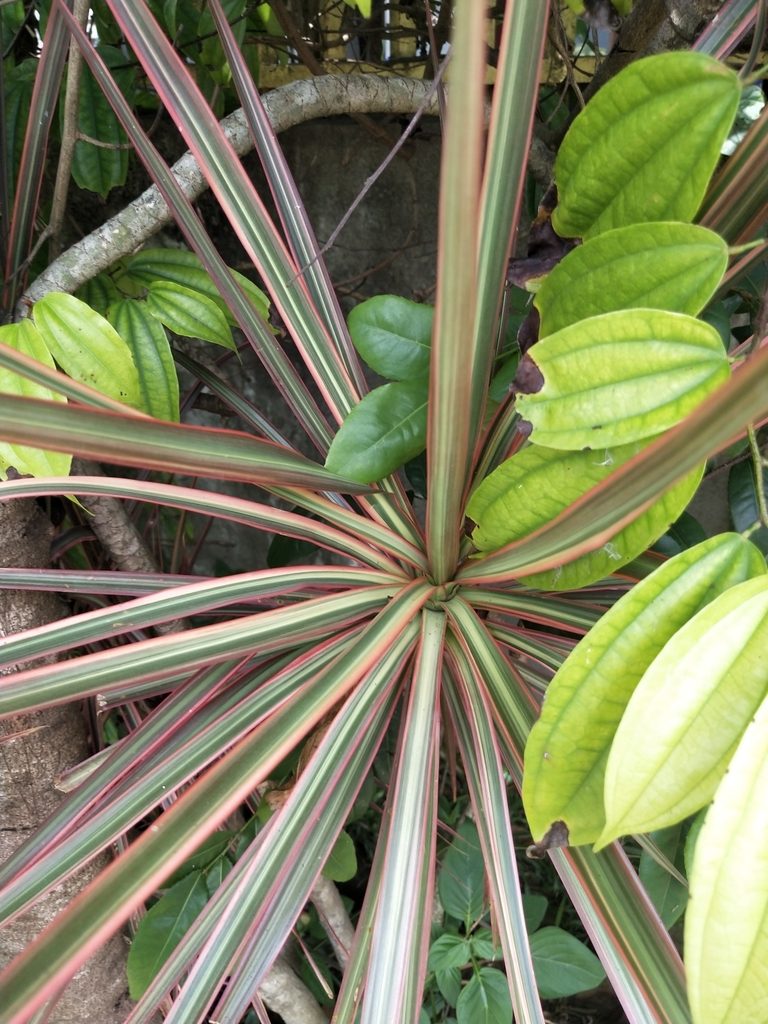
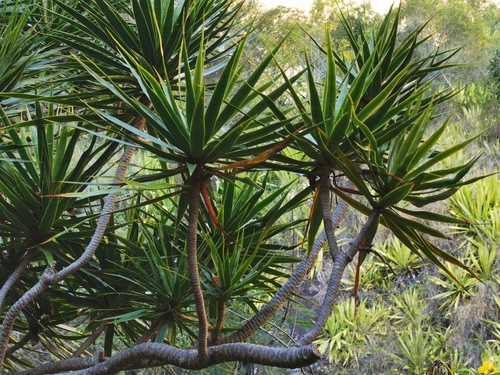
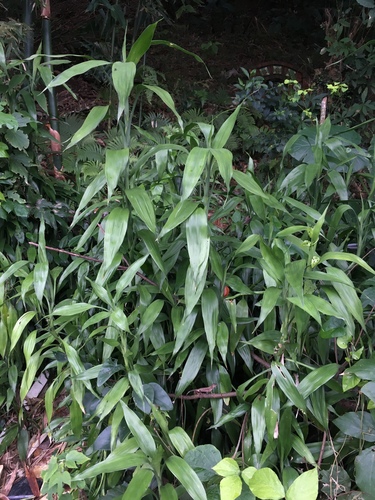
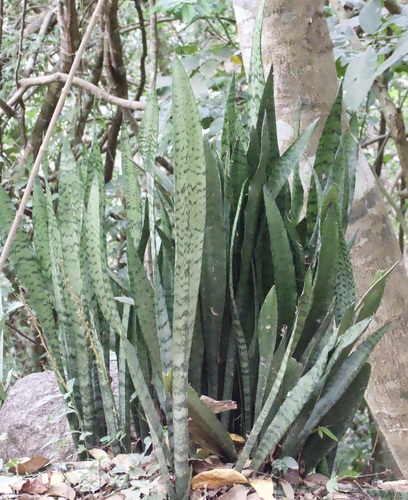
Dracaena (dracena) è un affascinante genere di piante tropicali e subtropicali famose per il fogliame di grande effetto; comprende il “tronchetto della felicità” (D. fragrans) e l'albero del drago (D. draco). Conta circa 120 specie, ognuna con forma, dimensioni e colori delle foglie particolari. Le dracene sono apprezzate per il valore ornamentale e diffuse sia come piante da appartamento sia in giardino.
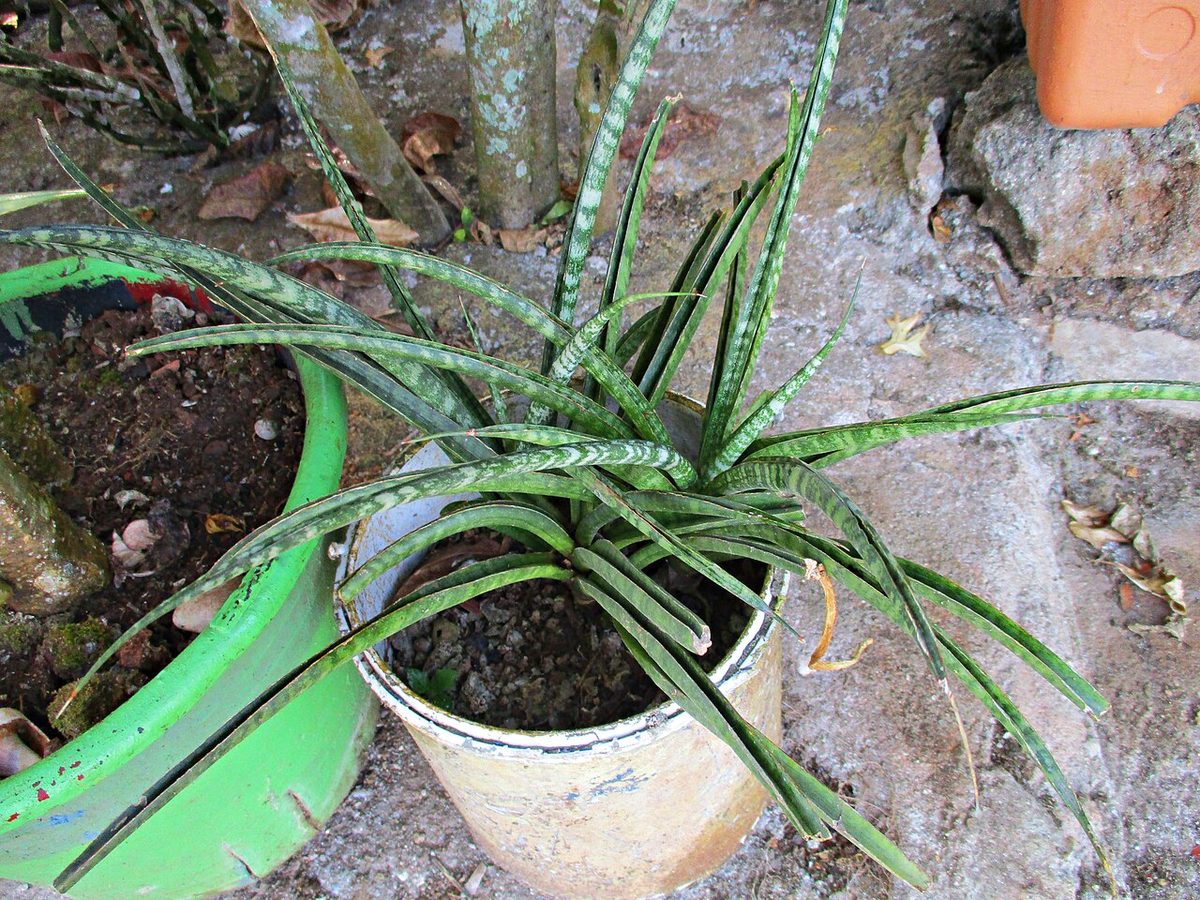
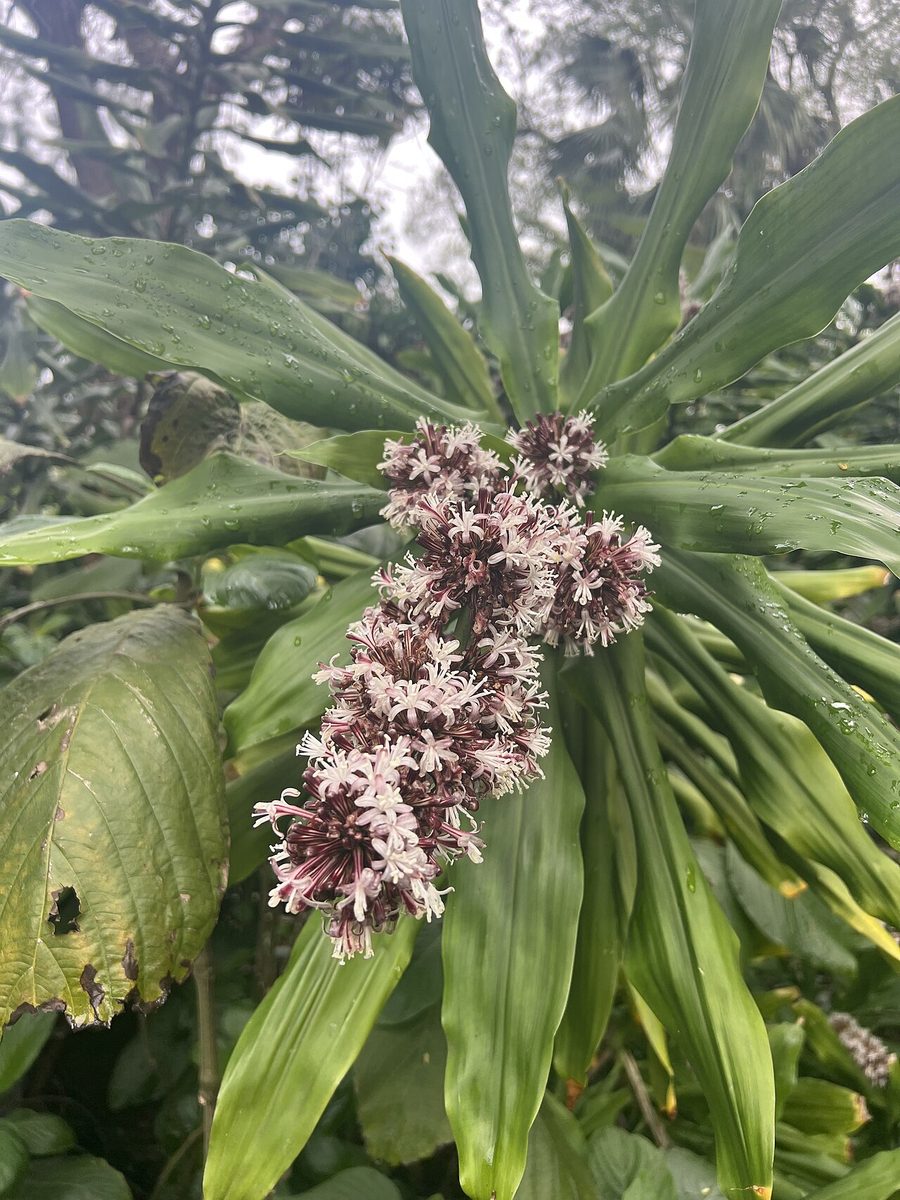
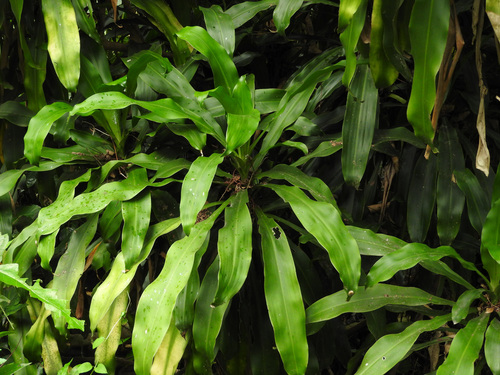
Specie e varietà (7)
Guida alla cura
Luce
Si adatta bene a condizioni di luce molto diverse in casa, dalla luce intensa indiretta vicino a una finestra alla mezz'ombra. Le forme variegate (per esempio Dracaena marginata e D. fragrans 'Massangeana') mantengono meglio colori e disegni con più luce. Evitare il sole diretto e forte di mezzogiorno.
Acqua
Lasciare asciugare la metà superiore del terriccio tra un'annaffiatura e l'altra. La dracena preferisce un'umidità moderata e costante: non i cicli di siccità delle succulente, ma nemmeno il terriccio sempre bagnato. Ridurre le annaffiature in inverno. Fondamentale: usare solo acqua senza fluoro (piovana, distillata o filtrata). Il fluoro dell'acqua del rubinetto causa le tipiche punte marroni che si vedono su quasi tutte le dracene da appartamento.
Substrato
Usare un terriccio ben drenante con aggiunta di perlite. pH leggermente acido (6,0-6,5). Evitare i concimi ricchi di fosfati, che possono peggiorare la tossicità da fluoro.
Temperatura e umidità
Temperatura ideale 18-27 °C; minimo 12 °C. È sensibile alle correnti fredde e agli sbalzi di temperatura. L'umidità normale di casa è sufficiente, ma tenerla lontana da termosifoni e bocchette del riscaldamento evita che le punte delle foglie secchino.
Concimazione
Concimare una volta al mese in primavera ed estate con un concime liquido bilanciato, povero di fluoro, a metà dose. Non concimare in autunno e in inverno. I sali del concime in eccesso si accumulano e peggiorano i sintomi della tossicità da fluoro.
Potatura
Rifilare le punte marroni con le forbici, tagliando in obliquo per seguire la forma naturale della foglia. Eliminare del tutto le foglie secche per più della metà. In primavera accorciare i fusti all'altezza desiderata: la nuova vegetazione spunta appena sotto il taglio. ⚠️ Tossica per cani e gatti (saponine): tenerla lontana dagli animali.
Propagazione
Talea
Il metodo più comune per moltiplicare la dracena è la talea di fusto: si taglia un tratto di fusto sano e lo si fa radicare in acqua o nel terriccio.
Propaggine
Un altro metodo per moltiplicare la dracena è la margotta, che consiste nel far radicare un fusto mentre è ancora attaccato alla pianta madre.