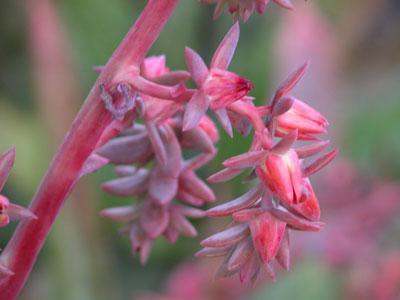
Echeveria
| Regno | Plantae |
| Sottoregno | Tracheobionta |
| Superdivisione | Spermatophyta |
| Divisione | Magnoliophyta |
| Classe | Magnoliopsida |
| Ordine | Saxifragales |
| Famiglia | Crassulaceae |
| Sottofamiglia | Echeverioideae |
| Genere | Echeveria |
L'echeveria è una succulenta molto diffusa, nota per le foglie carnose a rosetta e la straordinaria varietà di colori. Originaria dell'America centrale e meridionale, questa pianta resistente prospera negli ambienti aridi ed è amata sia dai principianti sia dagli appassionati esperti per le poche cure che richiede e il suo aspetto di grande effetto.
Specie e varietà (2)
Guida alla cura
Luce
L'echeveria vuole tutta la luce possibile: idealmente 5-6 ore di sole diretto al giorno. L'ideale è una finestra esposta a sud o, d'estate, una posizione all'aperto. Con luce insufficiente filla (si allunga) nel giro di poche settimane e la rosetta perde forma compatta e colore. Sotto lampade per piante servono 14-16 ore al giorno di luce intensa.
Acqua
Seguire il metodo “bagna e asciuga”: annaffiare abbondantemente finché l'acqua non esce dal fondo, poi aspettare che il terriccio sia completamente asciutto prima di annaffiare di nuovo; di solito significa ogni 7-14 giorni in estate e ogni 3-6 settimane in inverno. Non lasciare mai che l'acqua ristagni al centro della rosetta, dove provoca il marciume del colletto. Annaffiare sempre il terriccio, non le foglie.
Substrato
Usare un terriccio per succulente e cactacee a drenaggio rapido, oppure prepararlo con 50% materiale inerte (sabbia grossa, pomice o perlite) e 50% terriccio. Il drenaggio conta più dei nutrienti. I vasi in terracotta aiutano il terriccio ad asciugare più in fretta.
Temperatura e umidità
In estate preferisce 18-26 °C. Molte specie tollerano per brevi periodi fino a 5 °C (alcune resistono al gelo). L'aria secca le giova: l'umidità alta favorisce malattie fungine e marciumi. Evitare gli spazi chiusi e umidi.
Concimazione
Concimare solo leggermente: un concime per succulente diluito (a un quarto della dose) una volta in primavera e una a inizio estate. Non concimare mai in autunno e in inverno. Il troppo concime provoca una crescita innaturale e molle, più esposta ai parassiti.
Potatura
Eliminare regolarmente le foglie basse secche, che fanno da nascondiglio alle cocciniglie. Rinvasare ogni 2 anni in primavera. Se la pianta si allunga, tagliare via la rosetta, lasciar cicatrizzare il taglio per 2-3 giorni e poi appoggiarla su terriccio per succulente asciutto: radicherà in 2-4 settimane. Anche il fusto rimasto produrrà nuove rosette.
Propagazione
Talea
L'echeveria si moltiplica facilmente per talea di foglia, ed è per questo una delle preferite dagli appassionati di succulente.
Divisione
L'echeveria produce polloni, che si possono separare e coltivare come nuove piante.