Euphorbia
| Regno | Plantae |
| Sottoregno | Tracheobionta |
| Superdivisione | Spermatophyta |
| Divisione | Magnoliophyta |
| Classe | Magnoliopsida |
| Ordine | Malpighiales |
| Famiglia | Euphorbiaceae |
| Sottofamiglia | Euphorbioideae |
| Genere | Euphorbia |
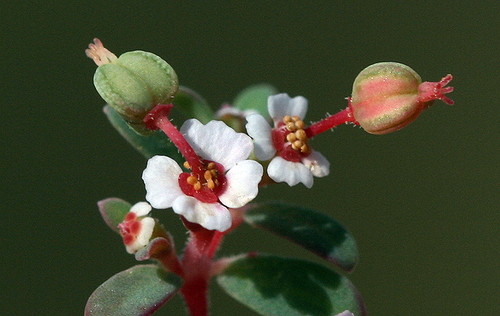
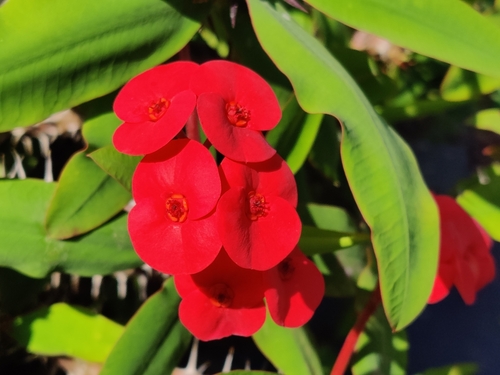
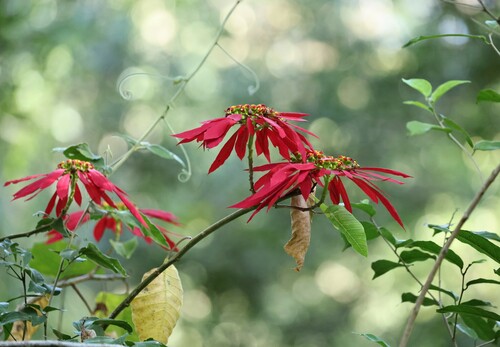
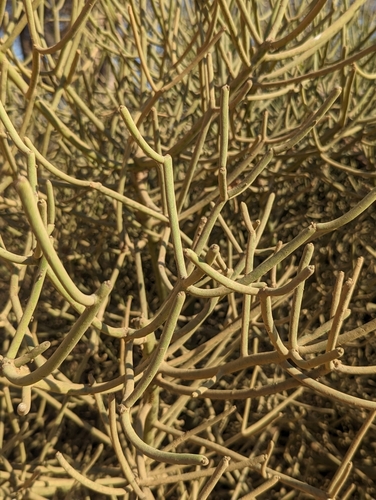
Euphorbia è un genere vastissimo, con oltre 2.000 specie di forme, dimensioni e colori delle foglie molto diversi; in casa la più nota è la stella di Natale (Euphorbia pulcherrima), famosa per le brattee colorate che sembrano fiori. La stella di Natale è molto apprezzata per il valore ornamentale ed è la pianta decorativa per eccellenza delle feste di fine anno.
Specie e varietà (4)
Guida alla cura
Luce
Ha bisogno di luce intensa indiretta, almeno 6 ore al giorno, per mantenere le brattee colorate e produrre nuova vegetazione. Il sole diretto forte di mezzogiorno brucia le brattee. Per farla rifiorire (vedi la sezione Potatura) in autunno servono 8 settimane con 14-16 ore al giorno di buio completo.
Acqua
Mantenere il terriccio uniformemente umido ma non fradicio. L'errore più comune con la stella di Natale è l'eccesso d'acqua: il vaso di solito è avvolto in un involucro di stagnola che trattiene l'acqua e causa marciume radicale in pochi giorni. Togliere subito l'involucro decorativo. Annaffiare quando il primo o i primi 2 cm sono asciutti e lasciar sgocciolare bene. Foglie gialle e terriccio fradicio indicano troppa acqua; foglie afflosciate con il terriccio asciutto troppo poca.
Substrato
Terriccio ben drenante: di solito quello del vivaio va bene. Controllare che il vaso abbia i fori di drenaggio e, se c'è ancora l'involucro di stagnola, toglierlo.
Temperatura e umidità
Ideale 15-22 °C. È molto sensibile al freddo: anche una breve esposizione a temperature sotto i 10 °C o a correnti fredde fa cadere rapidamente le foglie. Tenerla lontana da porte verso l'esterno, finestre fredde e aria condizionata.
Concimazione
Non concimare durante la fioritura. Se, dopo la caduta delle brattee colorate, si decide di tenere la pianta, riprendere a concimare una volta al mese con un concime bilanciato dalla primavera a tutta l'estate.
Potatura
Tra gennaio e febbraio accorciare i fusti a 10-15 cm dalla base per stimolare la ricrescita e spostare la pianta in un posto caldo e luminoso. In primavera ed estate annaffiarla e concimarla regolarmente. Da ottobre, per farla rifiorire, tenerla al buio completo per 14-16 ore al giorno (coprirla la sera con una scatola di cartone e scoprirla al mattino) per 8 settimane di fila. Poi riportarla alla luce normale: le brattee si coloreranno in 4-6 settimane. Nota: la linfa della stella di Natale irrita la pelle ed è leggermente tossica se ingerita, più fastidiosa che pericolosa, ma va comunque tenuta lontana da animali e bambini.
Propagazione
Talea
La stella di Natale si moltiplica per talea di fusto prelevata da piante sane e ben sviluppate.
Semina
Anche se è meno comune, la stella di Natale si può moltiplicare per seme.