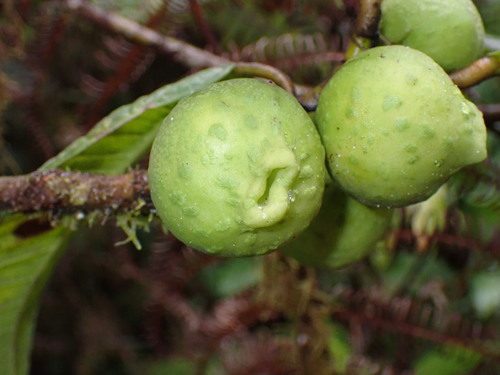
Ficus
| Regno | Plantae |
| Sottoregno | Tracheobionta |
| Superdivisione | Spermatophyta |
| Divisione | Magnoliophyta |
| Classe | Magnoliopsida |
| Ordine | Rosales |
| Famiglia | Moraceae |
| Genere | Ficus |
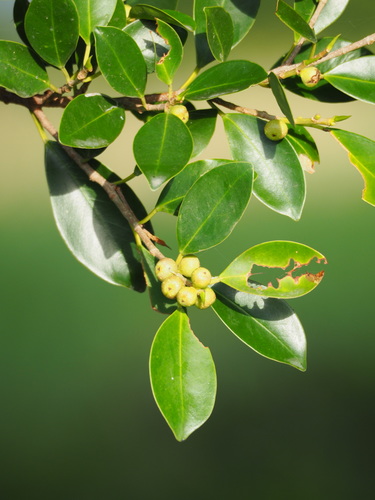
Ficus, che comprende il fico e l'albero della gomma, è un affascinante genere di piante tropicali e subtropicali famose per la varietà di forme e il fogliame di grande effetto. Comprende circa 850 specie, ognuna con forma, dimensioni e colori delle foglie particolari. I ficus sono apprezzati per il valore ornamentale e diffusi sia come piante da appartamento sia in giardino.
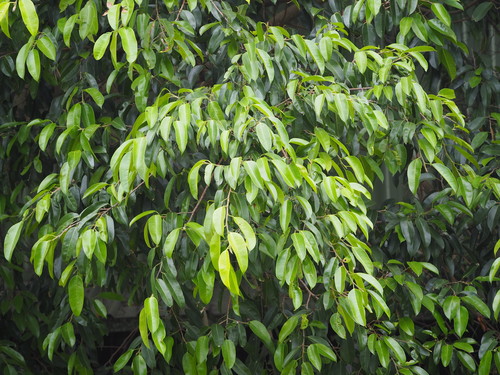
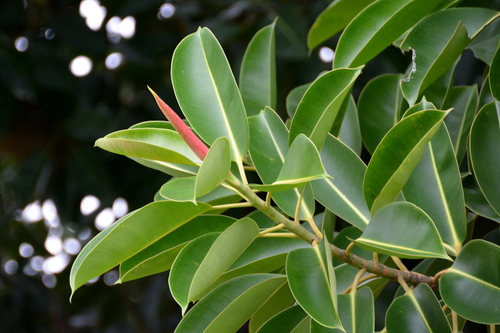
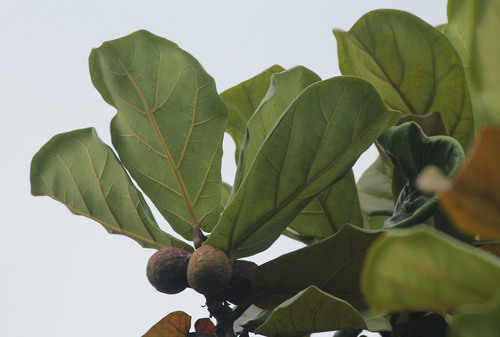
Specie e varietà (5)
Guida alla cura
Luce
La maggior parte dei ficus preferisce la luce intensa indiretta con un po' di sole diretto al mattino. Ficus lyrata (fico lira) ha bisogno di 2-3 ore di sole diretto e non tollera l'ombra fitta. Ficus benjamina si adatta di più, ma perde vistosamente le foglie se spostato in un posto meno luminoso. Ficus elastica (albero della gomma) tollera bene la luce indiretta media. Una volta trovata una posizione che piace al ficus, evitare di spostarlo.
Acqua
DIPENDE DALLA SPECIE. Ficus lyrata: lasciare asciugare i primi 3-5 cm di terriccio tra un'annaffiatura e l'altra; è molto soggetto al marciume radicale e non deve restare bagnato. Ficus elastica e Ficus benjamina: annaffiare quando i primi 2-3 cm sono asciutti, mantenendo un'umidità moderata e uniforme. Per tutti i ficus: usare acqua a temperatura ambiente, mai fredda. Il lattice bianco è irritante: usare i guanti quando si pota.
Substrato
Terriccio fertile e ben drenante con aggiunta di perlite (in rapporto 3:1). Ficus lyrata si trova meglio in un substrato più grossolano, con bark in più per l'aerazione. Per tutte le specie un buon drenaggio è fondamentale.
Temperatura e umidità
Ideale 18-27 °C. Minimo 15 °C: in Ficus benjamina freddo e correnti d'aria provocano una caduta improvvisa e massiccia delle foglie. Tenerlo lontano da porte verso l'esterno, finestre e aria condizionata. Un'umidità moderata è sufficiente; evitare le bocchette del riscaldamento, che seccano l'aria.
Concimazione
Concimare una volta al mese in primavera ed estate con un concime liquido bilanciato a dose piena. In autunno passare a ogni 6-8 settimane e sospendere in inverno. Durante la crescita attiva Ficus lyrata trae beneficio da un concime un po' più ricco di azoto.
Potatura
Potare in primavera con attrezzi puliti e affilati, usando i guanti per evitare il contatto con il lattice (irritante e tossico se ingerito). Pulire ogni mese le grandi foglie di Ficus elastica con un panno umido per togliere la polvere e favorire la fotosintesi. Ficus benjamina: appena portato a casa o dopo uno spostamento è normale che perda molte foglie per adattarsi; se le condizioni sono giuste la pianta si stabilizza in 4-6 settimane.
Propagazione
Talea
Il metodo più comune per moltiplicare il ficus è la talea: si prelevano talee di fusto e le si fa radicare in acqua o nel terriccio. Assicurarsi prima che la pianta madre sia sana.
Propaggine
Un altro metodo per moltiplicare il ficus è la margotta, che permette di ottenere una nuova pianta mentre è ancora attaccata alla pianta madre.