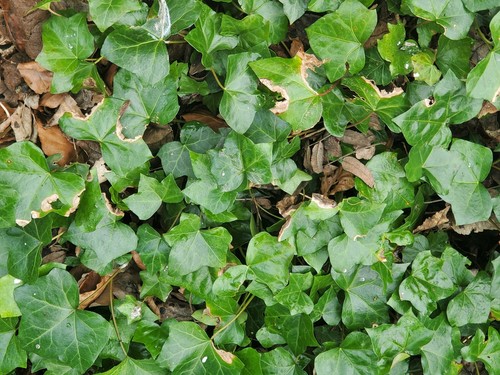
Hedera
| Regno | Plantae |
| Sottoregno | Tracheobionta |
| Superdivisione | Spermatophyta |
| Divisione | Magnoliophyta |
| Classe | Magnoliopsida |
| Ordine | Apiales |
| Famiglia | Araliaceae |
| Genere | Hedera |
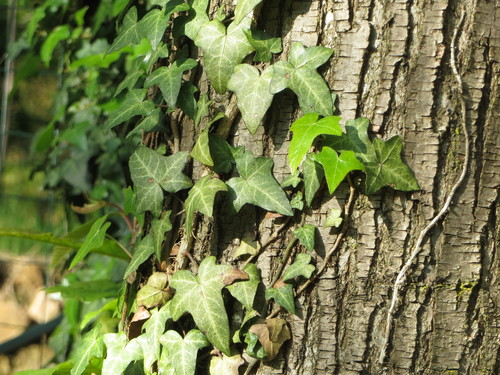
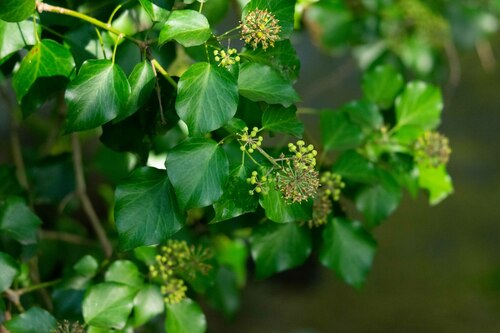
L'edera (Hedera) è un genere di piante versatile e resistente, noto per il portamento rampicante e ricadente. Comprende circa 12-15 specie, ognuna con forma, dimensioni e colori delle foglie particolari. L'edera è apprezzata per il valore ornamentale e si usa comunemente sia in casa sia all'aperto.
Specie e varietà (2)
Guida alla cura
Luce
L'edera si adatta a condizioni di luce molto diverse, dalla luce intensa indiretta alla mezz'ombra. Le forme variegate hanno bisogno di più luce per mantenere le macchie color crema o giallo. All'aperto il sole diretto intenso di mezzogiorno brucia le foglie, mentre un po' di sole al mattino è tollerato e ne ravviva il colore.
Acqua
Lasciare asciugare i primi 2-3 cm di terriccio tra un'annaffiatura e l'altra, poi annaffiare abbondantemente. L'edera sopporta un po' di siccità, ma con un'umidità costante cresce meglio. Ridurre le annaffiature in inverno. Evitare gli eccessi: il terriccio fradicio provoca in fretta marciume radicale e foglie gialle.
Substrato
Usare un terriccio fertile e ben drenante con aggiunta di perlite. pH da leggermente acido a neutro (6,0-7,0). Un buon drenaggio è importante.
Temperatura e umidità
All'aperto Hedera helix resiste al freddo (fino a -10 °C), ma come pianta da appartamento rende meglio in ambienti freschi o temperati (10-21 °C). Non ama il caldo eccessivo: l'aria calda e secca di casa favorisce il ragnetto rosso, il parassita più comune dell'edera. L'ideale sono stanze fresche con umidità moderata.
Concimazione
Concimare una volta al mese in primavera ed estate con un concime liquido bilanciato a metà dose. Non concimare in autunno e in inverno.
Potatura
Potarla regolarmente per mantenerle la forma voluta ed evitare che si allunghi e si sfoltisca. L'edera cresce con vigore e trae beneficio da una potatura drastica di tanto in tanto. Controllare spesso la pagina inferiore delle foglie per scovare il ragnetto rosso, che prolifera con il caldo secco: i segni tipici sono sottili ragnatele e foglie pallide e punteggiate. Trattare con olio di neem o sapone insetticida. Nota: tutte le parti di Hedera helix sono tossiche se ingerite da persone, gatti e cani.
Propagazione
Talea
Il metodo più comune per moltiplicare l'edera è la talea di fusto: si preleva una talea da una pianta sana e la si fa radicare in terra o in acqua.
Propaggine
Un altro metodo efficace è la propaggine: si fa radicare un fusto mentre è ancora attaccato alla pianta madre.