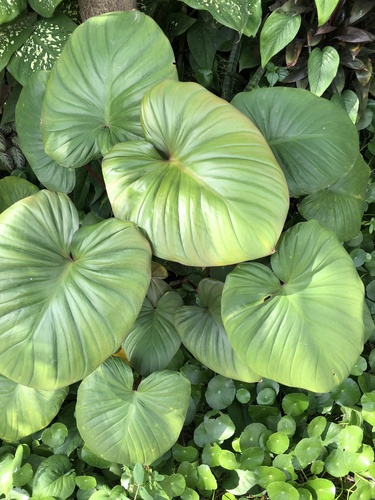
Homalomena
| Regno | Plantae |
| Sottoregno | Tracheobionta |
| Superdivisione | Spermatophyta |
| Divisione | Magnoliophyta |
| Classe | Liliopsida |
| Ordine | Alismatales |
| Famiglia | Araceae |
| Sottofamiglia | Aroideae |
| Genere | Homalomena |
Homalomena è un genere di aracee tropicali della famiglia Araceae, con circa 140 specie originarie dell'Asia tropicale e del Sud America. Strettamente imparentata con Philodendron e Spathiphyllum, è apprezzata come pianta da appartamento per il fogliame rigoglioso a forma di cuore, la facilità di coltivazione anche con poca luce e il caratteristico profumo speziato che le foglie emanano quando si toccano. È una delle piante più sottovalutate ma più gratificanti da coltivare in casa.
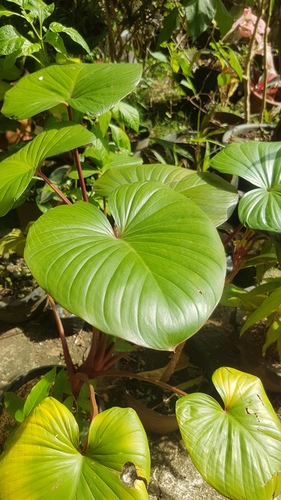
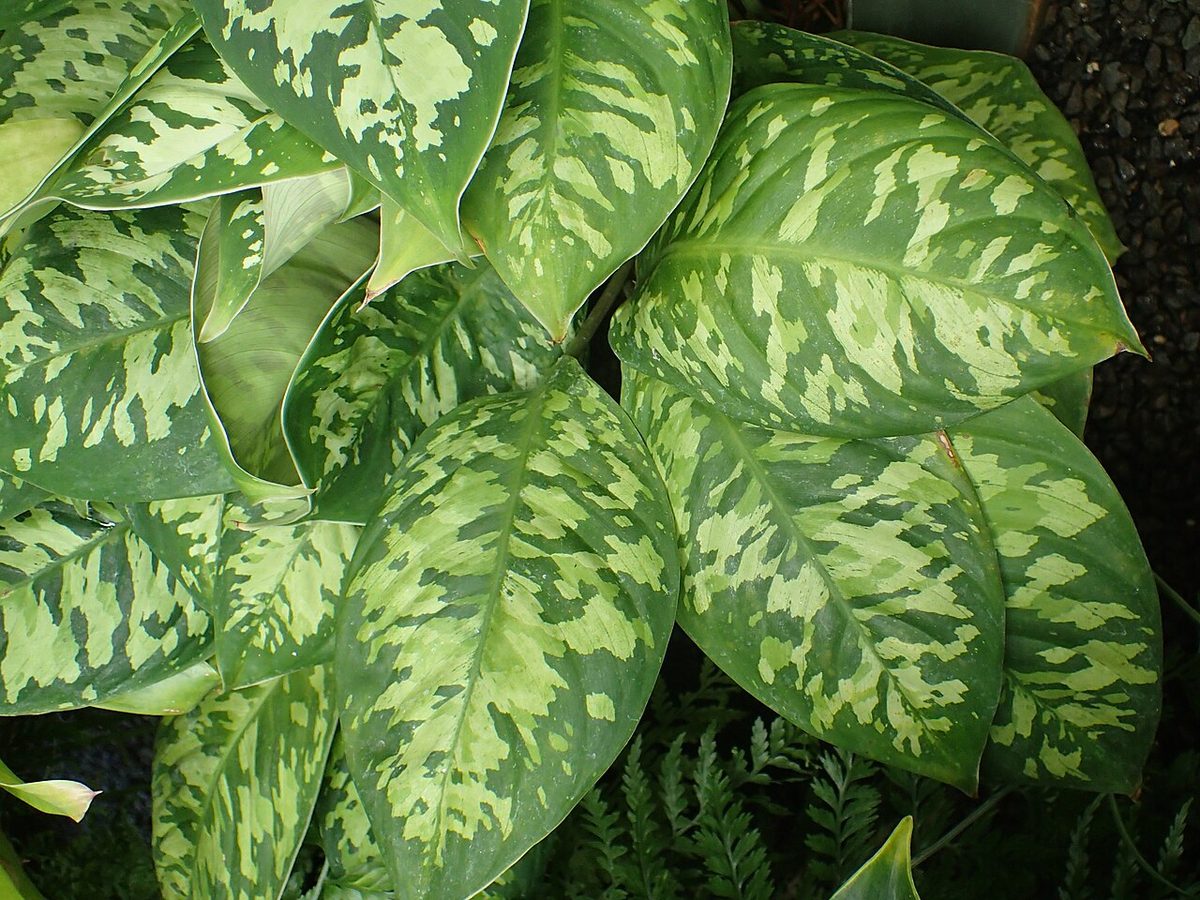
Specie e varietà (3)
Guida alla cura
Luce
È una delle aracee che tollerano meglio l'ombra: la Homalomena prospera con luce indiretta da scarsa a media e sopporta anche posizioni lontane dalle finestre. Evitare il sole diretto, che brucia le foglie vellutate. La luce intensa indiretta accelera la crescita ma non è indispensabile.
Acqua
Lasciare asciugare i primi 2-3 cm di terriccio tra un'annaffiatura e l'altra, poi annaffiare abbondantemente. La Homalomena sopporta la siccità meglio di Calathea e Philodendron, a cui somiglia. In inverno ridurre la frequenza. L'eccesso d'acqua causa marciume radicale; con troppo poca acqua appassisce, ma si riprende in fretta.
Substrato
Usare un terriccio ben drenante con aggiunta di perlite (3:1). È importante una buona aerazione delle radici. Ideale un pH leggermente acido (5,5-6,5).
Temperatura e umidità
Ideale 18-27 °C; minimo 15 °C. Molto sensibile al freddo: tenerla lontana da correnti e finestre fredde. L'umidità normale di casa va bene, ma al 50-60% il fogliame è più rigoglioso.
Concimazione
Concimare una volta al mese in primavera ed estate con un concime liquido bilanciato a metà dose. Sospendere in autunno e inverno. La Homalomena è poco esigente in fatto di nutrienti.
Potatura
Togliere alla base le foglie vecchie o rovinate. Pulire le foglie impolverate con un panno umido. Rinvasare ogni 2 anni in primavera, quando le radici escono dai fori di drenaggio. Nota: contiene ossalato di calcio ed è tossica se ingerita.
Propagazione
Divisione
Il metodo più comune per moltiplicare la Homalomena è la divisione, che consiste nel separare rizomi o tuberi al momento del rinvaso. Assicurarsi prima che la pianta madre sia sana.
Polloni/figli
Alcune specie di Homalomena producono polloni, che si possono separare dalla pianta madre e invasare singolarmente.