Hoya
Apocynaceae

Hoya

Wax Plant
RegnoPlantae
SottoregnoTracheobionta
SuperdivisioneSpermatophyta
DivisioneMagnoliophyta
ClasseMagnoliopsida
OrdineGentianales
FamigliaApocynaceae
GenereHoya
Luce
Medium high
Acqua
Low
Specie
12

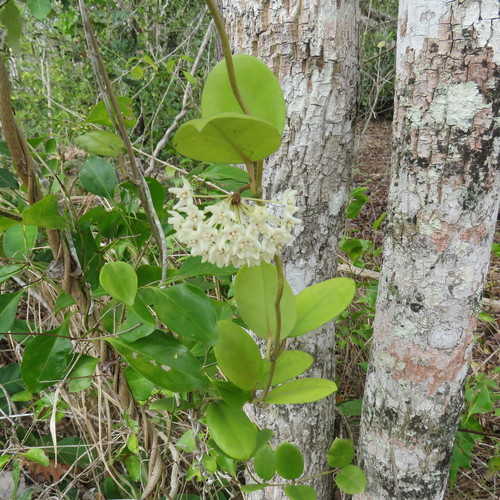
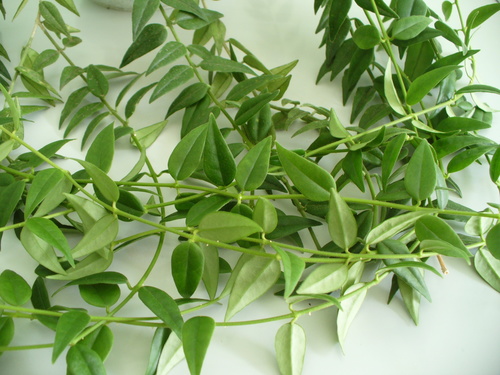
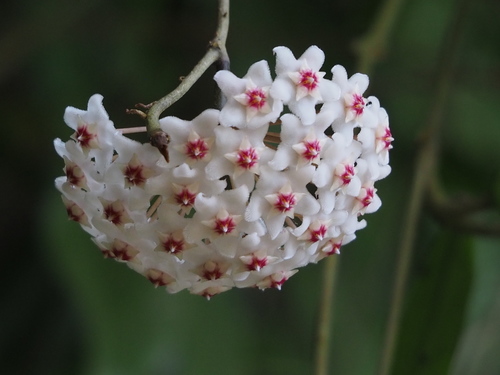
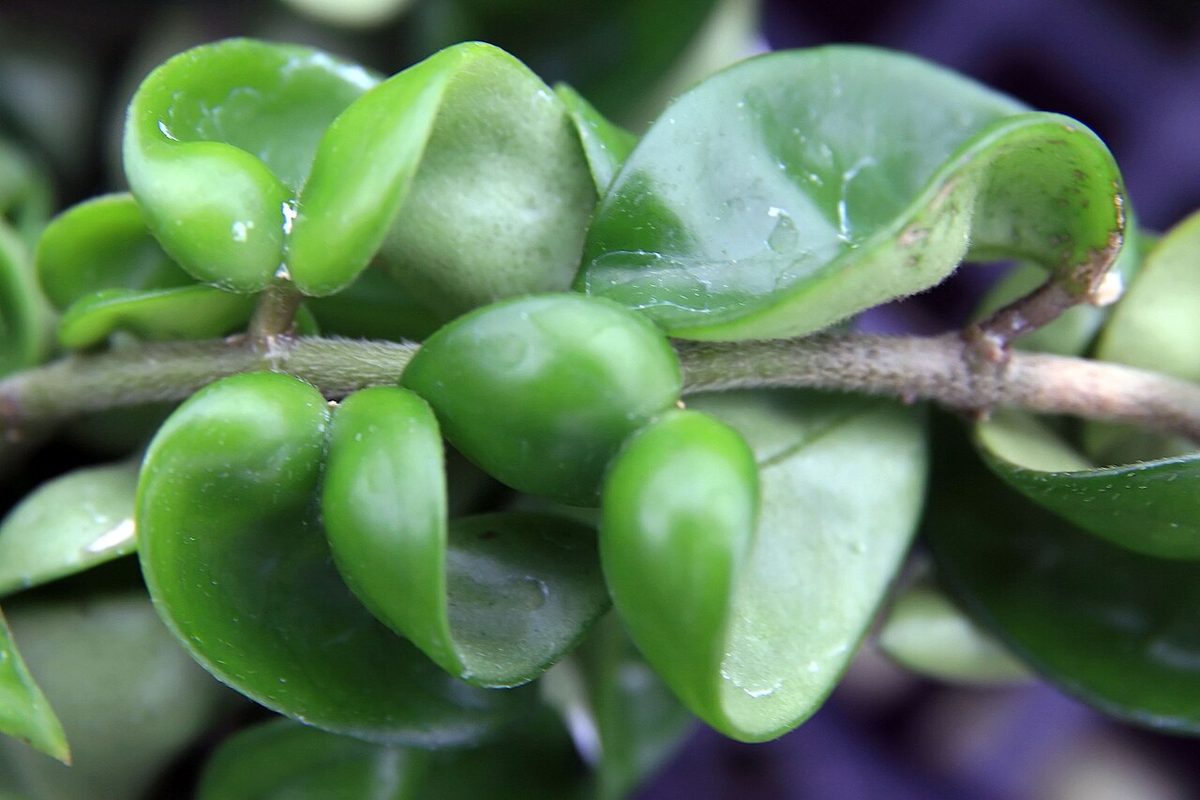
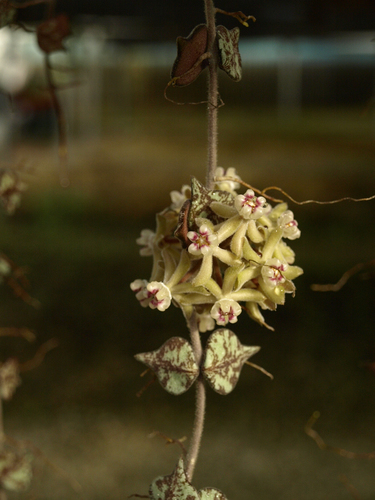
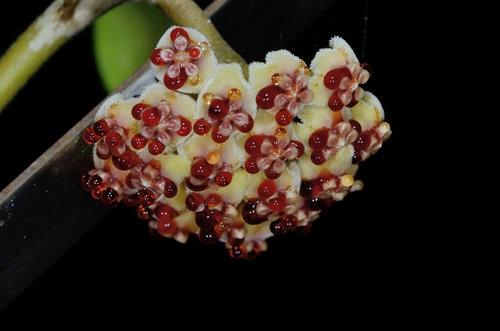
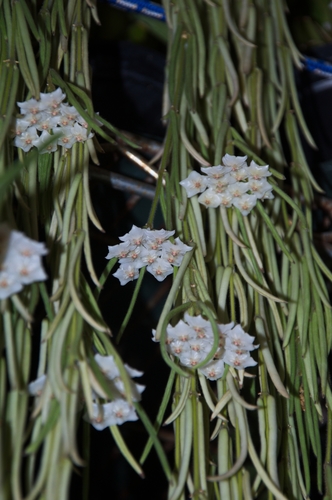
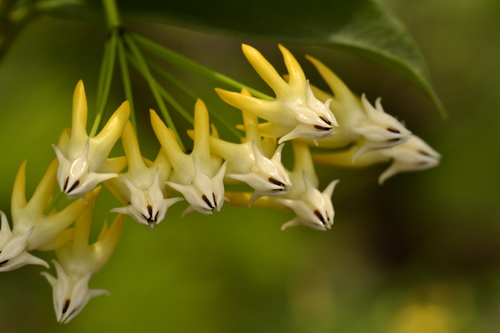
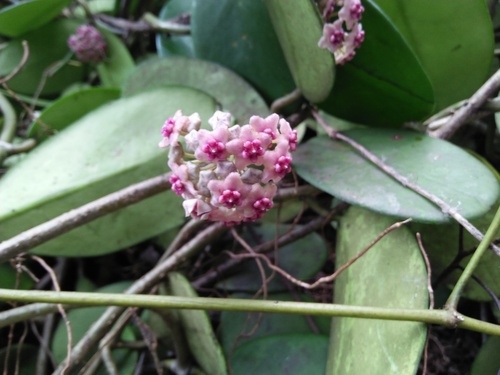
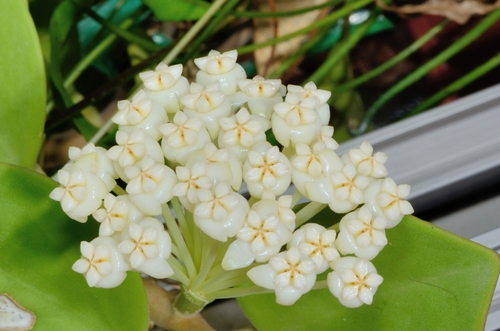
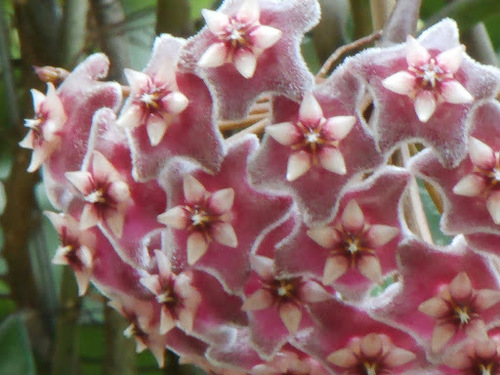
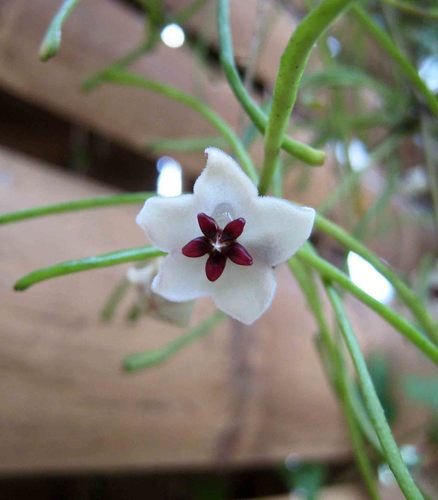
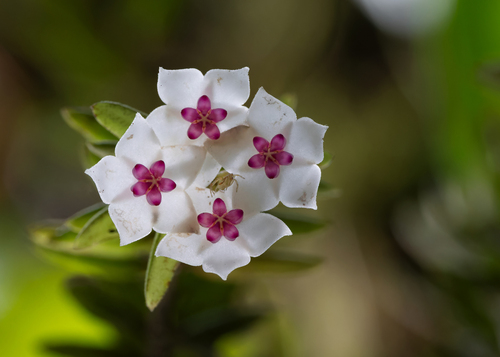
Hoya, commonly referred to as Wax Plant or Porcelain Flower, is a charming genus of tropical and subtropical plants celebrated for their waxy, star-shaped flowers and attractive foliage. The genus includes around 200-300 species, each with its own unique flowers and leaves. Hoya plants are prized for their ornamental value and are popular both as houseplants and garden specimens.

Habitat naturale
Hoya species are native to tropical and subtropical regions of Asia and Australia. They thrive in warm, humid environments, often found in rainforests where they grow as epiphytes on trees or as ground cover. The natural habitat of Hoya plants is characterized by high humidity, moderate to bright indirect light, and well-draining soil.
Storia e cultura
Hoya plants have a rich cultural history in their native regions. In many Asian cultures, they are considered symbols of love and devotion. The beautiful, fragrant flowers of some species have been used in various cultural rituals and traditional medicine.
Utilizzi
In modern times, Hoya plants are primarily grown for their ornamental value. Their unique flowers and foliage make them popular choices for interior decoration and hanging baskets. The wide variety of species and cultivars available allows for diverse aesthetic applications, from the cascading vines of Hoya carnosa to the heart-shaped leaves of Hoya kerrii.
Conservazione
While many Hoya species are commonly cultivated, some are considered rare or endangered in their natural habitats due to habitat destruction and over-harvesting. Conservation efforts are important to preserve the genetic diversity and ecological roles of these plants in their native regions.
Hoya australis
Hoya australis
Hoya bella
Hoya bella
Hoya carnosa
Hoya carnosa
Hoya compacta
Hoya curtisii
Hoya curtisii
Hoya kerrii
Hoya kerrii
Hoya linearis
Hoya linearis
Hoya multiflora
Hoya multiflora
Hoya obovata
Hoya obovata
Hoya pachyclada
Hoya pachyclada
Hoya pubicalyx
Hoya pubicalyx
Hoya retusa
Hoya retusa
Luce

Hoya needs bright, indirect light to thrive and flower — a spot near a south- or east-facing window is ideal. Insufficient light prevents flowering entirely. While Hoya tolerates lower light for survival, it will not produce flowers without good light. Some species (e.g. Hoya carnosa) tolerate a few hours of direct morning sun.

Acqua

Allow the soil to dry out almost completely between waterings — Hoya stores water in its thick, waxy leaves and is very drought-tolerant. Water thoroughly, then wait until the pot feels very light and the leaves show very slight wrinkling before rewatering. In winter, water just enough to prevent complete desiccation. Overwatering causes root rot rapidly.

Substrato

Use a very well-draining mix: 50% orchid bark, 30% perlite, 20% coco coir. Excellent drainage and aeration are critical. Terracotta pots help the medium dry faster between waterings.

Temperatura e umidità

Optimal 18–27 °C. Moderate humidity is adequate; Hoya does not require the high humidity of Calathea or ferns. Avoid temperatures below 10 °C.

Concimazione

Feed monthly during spring and summer with a balanced fertilizer at half strength. A fertilizer slightly higher in potassium and phosphorus (rather than nitrogen) promotes flowering. Do not fertilize in autumn or winter.

Potatura

⚠️ CRITICAL: NEVER remove old flower spurs (peduncles) — Hoya reflowers from the same stalks year after year. Removing them means losing future blooms. Prune only overly long vines to control size, cutting back to a node. Hoya prefers being slightly root-bound, which also encourages flowering — repot only when severely cramped, every 3–4 years.

Talea

The most common method for propagating Hoya is by stem cuttings. This involves taking a cutting with several nodes and rooting it in water or soil.

1
Use a sharp, sterilized knife to cut a healthy stem with at least 2-3 nodes.
2
Remove the leaves from the lower nodes.
3
Place the cutting in water or in a pot with well-draining soil, ensuring the nodes are submerged.
4
Keep in a warm, humid environment with bright, indirect light until roots develop.
Propaggine

Some Hoya species can also be propagated by layering, which involves encouraging a stem to root while still attached to the parent plant.

1
Select a healthy stem and gently bend it to the ground or a nearby pot.
2
Bury a portion of the stem in the soil, ensuring at least one node is covered.
3
Secure the stem with a U-shaped pin or small rock.
4
Keep the soil moist until roots develop, then cut the new plant from the parent.
Why is my Hoya not flowering?
The most common reasons: (1) Insufficient light — Hoya needs bright indirect light near a window; (2) Old flower spurs removed — never cut the peduncles after blooming; (3) Too large a pot — Hoya flowers best when slightly root-bound; (4) Too much nitrogen fertilizer — switch to a bloom-promoting formula with higher P and K.
Do I need to remove the old flower stalks after blooming?
No — this is the most important Hoya care rule. The peduncles (flower stalks) are perennial: Hoya reflowers from the exact same spurs each season. Removing them eliminates future blooms entirely. Leave all old stalks in place permanently.
Why are my Hoya leaves wrinkled or shrivelled?
Slight wrinkling indicates the plant needs water — this is normal and is a reliable signal to water. However, severe wrinkling combined with yellowing can indicate root rot. Check the roots if the plant does not recover after a thorough watering.