Hydrangea
| Regno | Plantae |
| Sottoregno | Tracheobionta |
| Superdivisione | Spermatophyta |
| Divisione | Magnoliophyta |
| Classe | Magnoliopsida |
| Ordine | Cornales |
| Famiglia | Hydrangeaceae |
| Sottofamiglia | Hydrangeoideae |
| Genere | Hydrangea |
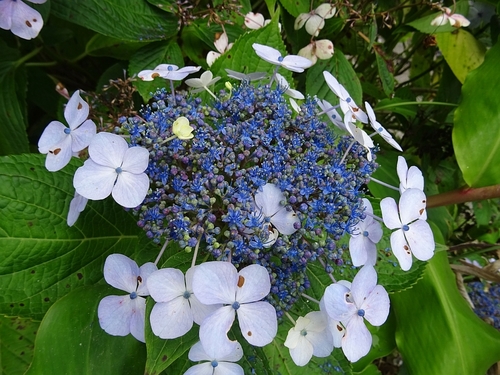
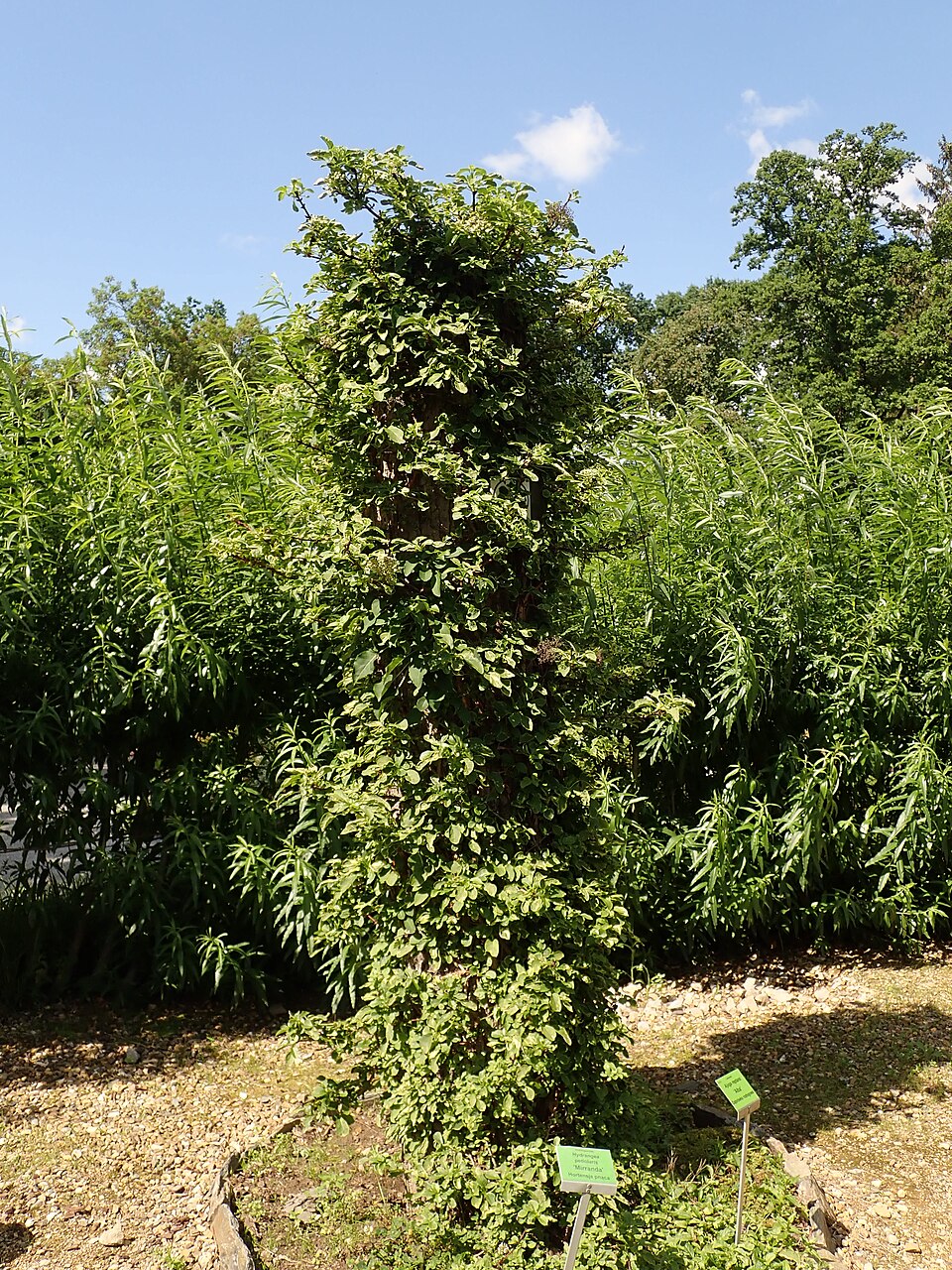
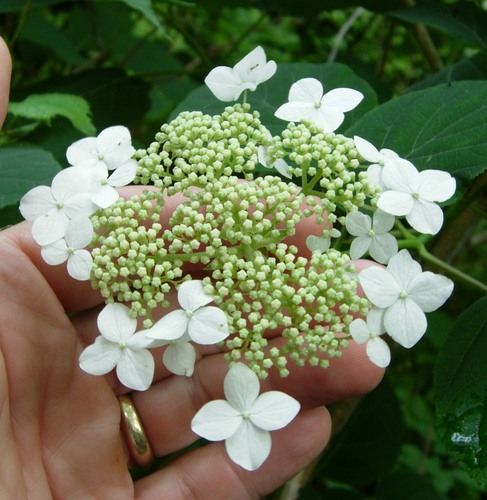
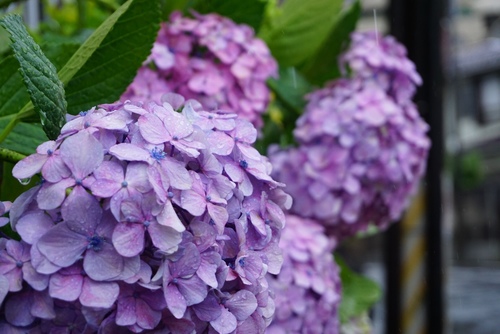
L'ortensia (Hydrangea) è un affascinante genere di piante da fiore famose per le fioriture splendide e varie. Comprende circa 70-75 specie, ognuna con forma, dimensioni e colori dei fiori particolari. Le ortensie sono apprezzate per il valore ornamentale e diffuse sia come arbusti da giardino sia in vaso.
Specie e varietà (7)
Guida alla cura
Luce
In casa metterla nel posto più luminoso disponibile, vicino a una grande finestra con diverse ore di sole diretto al mattino. Le ortensie sono soprattutto piante da esterno e hanno bisogno di molta luce per sostenere la fioritura. Con luce insufficiente perdono rapidamente le foglie e i fiori sfioriscono. Dopo la fioritura spostarla all'aperto o in un posto fresco e riparato perché si riprenda durante l'estate.
Acqua
L'ortensia è una delle piante in vaso più assetate. Mantenere il terriccio costantemente e ben umido: durante la fioritura controllarlo ogni giorno, perché i vasi possono asciugarsi in 24 ore. L'appassimento è un segnale di stress che accorcia molto la durata dei fiori. Usare acqua a temperatura ambiente e garantire un drenaggio perfetto. Dopo la fioritura annaffiare meno spesso, ma senza lasciarla seccare.
Substrato
Usare un terriccio fertile che trattenga l'umidità, con un po' di perlite per il drenaggio. Ideale un pH leggermente acido (5,5-6,5). In H. macrophylla il pH del terreno influisce sul colore dei fiori: un terreno acido (pH 4,5-5,5) dà fiori blu, uno da neutro ad alcalino (pH 6,5 e oltre) fiori rosa. Il solfato di alluminio acidifica, la calce da giardino alcalinizza.
Temperatura e umidità
In casa, durante la fioritura, l'ideale per prolungarla è una temperatura di 12-18 °C: le stanze più fresche allungano molto il periodo di fioritura. Dopo la fioritura la pianta ha bisogno di un riposo al freddo (4-7 °C) per 6-8 settimane tra autunno e inverno, per formare i boccioli dell'anno successivo: va bene un garage o un capanno non riscaldato.
Concimazione
Dopo la fioritura concimare una volta al mese per tutta l'estate con un concime liquido per acidofile. Non concimare durante il riposo. Riprendere all'inizio della primavera, quando ricomincia la crescita.
Potatura
Dopo la fioritura in casa, spostare la pianta all'aperto in un posto riparato e leggermente ombreggiato. Eliminare i fiori appassiti. Potare leggermente a fine estate, togliendo solo i rami secchi (la maggior parte delle ortensie fiorisce sul legno dell'anno precedente: una potatura drastica elimina i boccioli dell'anno dopo). Rinvasare ogni 2 anni.
Propagazione
Talea
Il metodo più comune per moltiplicare l'ortensia è la talea: si taglia un ramo sano dalla pianta madre e lo si fa radicare nel terriccio.
Propaggine
Un altro metodo per moltiplicare l'ortensia è la propaggine: si piega a terra un ramo basso e lo si copre di terra per farlo radicare.