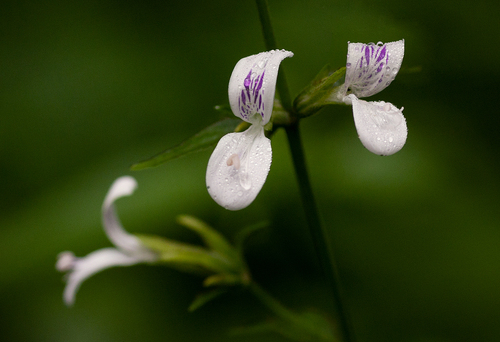
Hypoestes
| Regno | Plantae |
| Sottoregno | Tracheobionta |
| Superdivisione | Spermatophyta |
| Divisione | Magnoliophyta |
| Classe | Magnoliopsida |
| Ordine | Lamiales |
| Famiglia | Acanthaceae |
| Genere | Hypoestes |
Hypoestes, detta anche pianta a pois, è un delizioso genere di piante tropicali apprezzate per il fogliame colorato e punteggiato. Comprende circa 100 specie, ognuna con disegni, dimensioni e colori delle foglie particolari. Le ipoestes sono amate per il valore ornamentale e diffuse sia come piante da appartamento sia come tocco di colore in giardino.
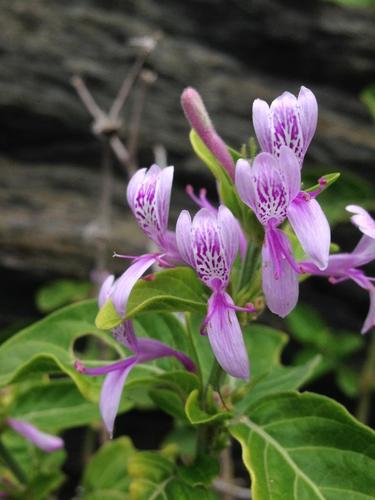
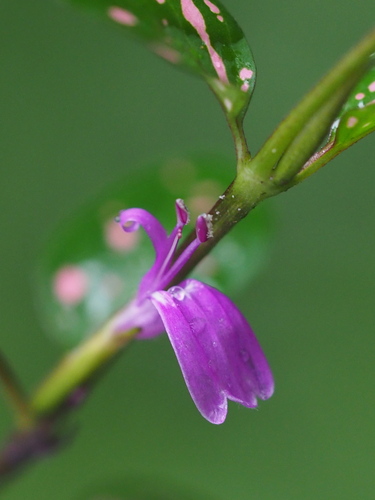
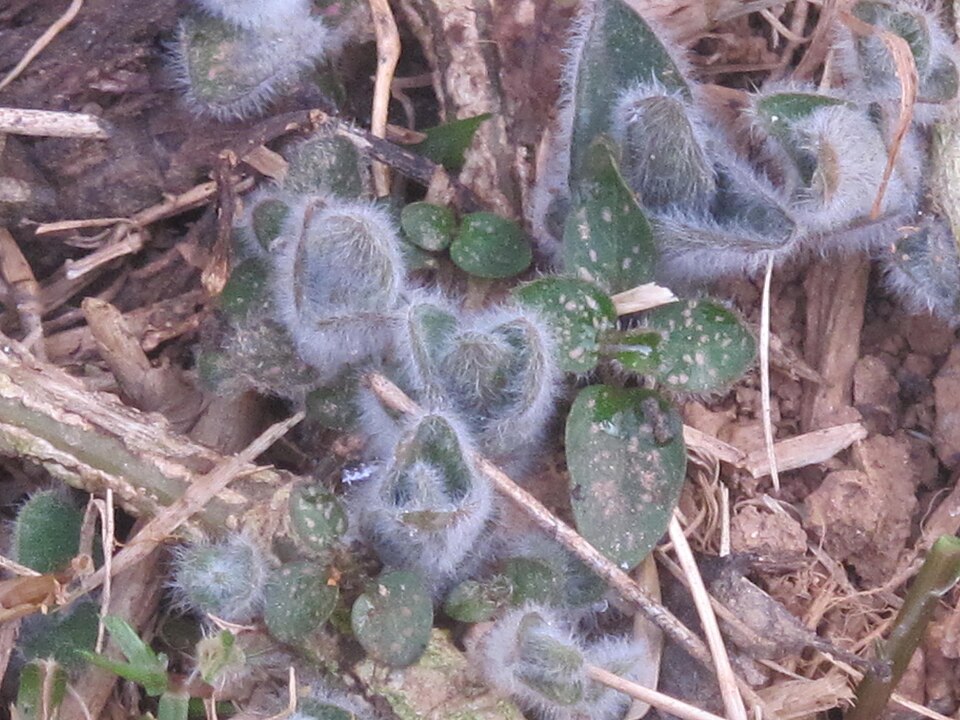
Specie e varietà (4)
Guida alla cura
Luce
La luce intensa indiretta è indispensabile per mantenere le vivaci macchie rosa, rosse o bianche che caratterizzano l'ipoestes. Con poca luce le macchie sbiadiscono e il fogliame torna verde. L'ideale è una finestra esposta a est o a ovest; un po' di sole diretto al mattino è tollerato e intensifica i colori.
Acqua
Mantenere il terriccio uniformemente umido ma non fradicio, annaffiando quando il primo o i primi 2 cm sono asciutti. Quando ha sete l'ipoestes appassisce in modo evidente: usarlo come segnale per annaffiare, ma intervenire subito, perché gli appassimenti ripetuti fanno cadere le foglie. Ridurre la frequenza in inverno.
Substrato
Usare un normale terriccio ben drenante con aggiunta di perlite (3:1). Un buon drenaggio previene il marciume radicale in questa pianta dalle radici piuttosto superficiali.
Temperatura e umidità
Ideale 18-27 °C; minimo 13 °C. Un'umidità da moderata ad alta (50-60%) favorisce un fogliame rigoglioso; di solito l'umidità normale di casa è sufficiente.
Concimazione
Concimare ogni 2 settimane in primavera ed estate con un concime liquido bilanciato a metà dose. In autunno passare a una volta al mese e sospendere in inverno. Una concimazione equilibrata mantiene vivaci i colori del fogliame.
Potatura
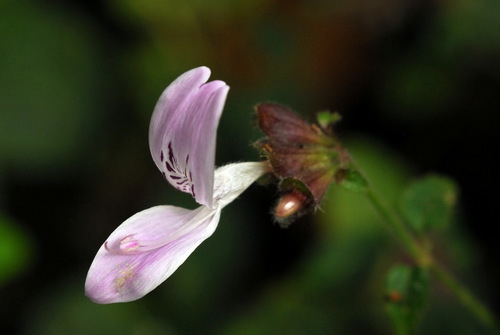
Cimare regolarmente le punte dei fusti (ogni 2-3 settimane) per mantenerla compatta e folta ed evitare che si allunghi. Col tempo l'ipoestes tende naturalmente a diventare disordinata: non esitare ad accorciarla drasticamente, perché reagisce con vigore. Eliminare le spighe fiorali appena compaiono (i minuscoli fiori color lavanda tolgono energia al fogliame e spesso segnalano che la pianta è alla fine del suo ciclo di crescita vigorosa). Trattarla come un'annuale o rinnovarla da talea ogni 1-2 anni.
Propagazione
Talea
Il metodo più comune per moltiplicare l'ipoestes è la talea di fusto: si prelevano talee dalla pianta madre e le si fa radicare in acqua o nel terriccio.
Semina
L'ipoestes si può coltivare anche da seme, anche se questo metodo è meno comune della talea.