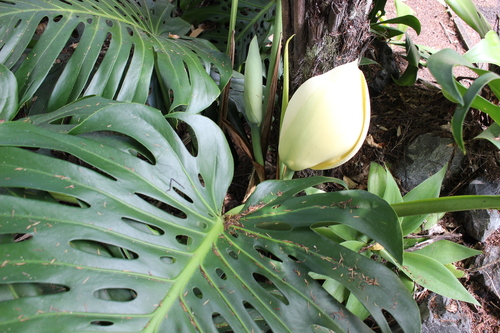
Monstera
Araceae

Monstera

Swiss Cheese Plant
RegnoPlantae
SottoregnoTracheobionta
SuperdivisioneSpermatophyta
DivisioneMagnoliophyta
ClasseLiliopsida
OrdineAlismatales
FamigliaAraceae
SottofamigliaMonsteroideae
GenereMonstera
Luce
Medium high
Acqua
Medium high
Specie
13

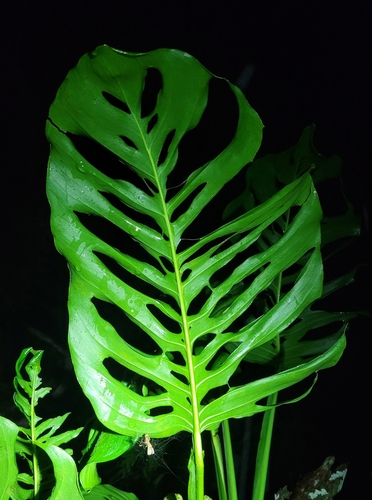
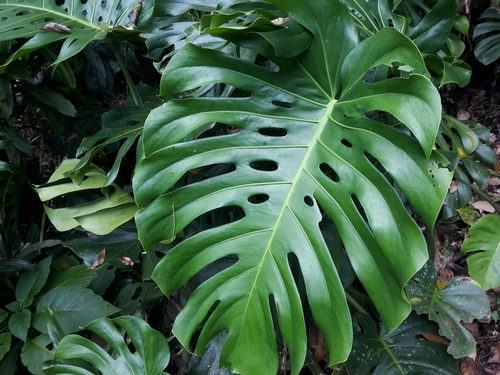
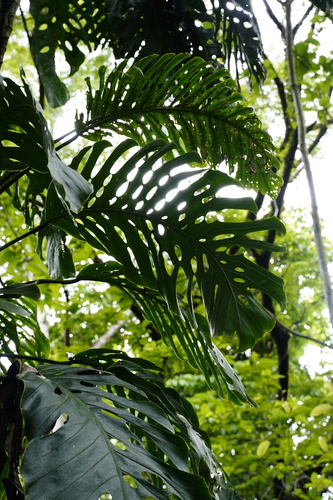
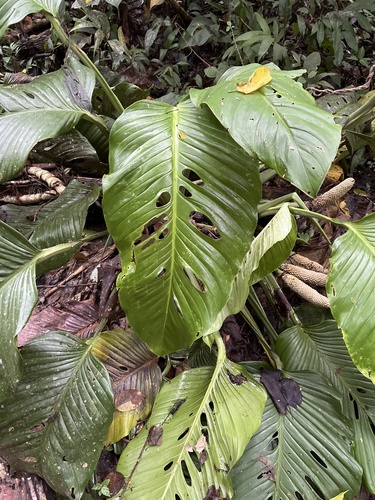
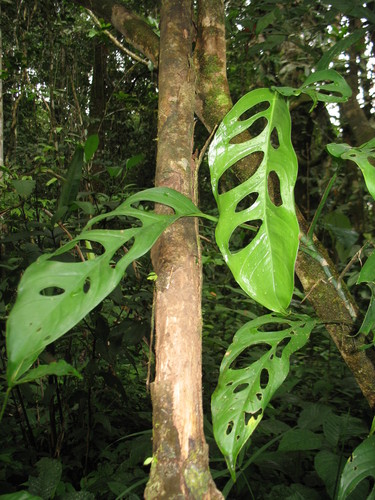
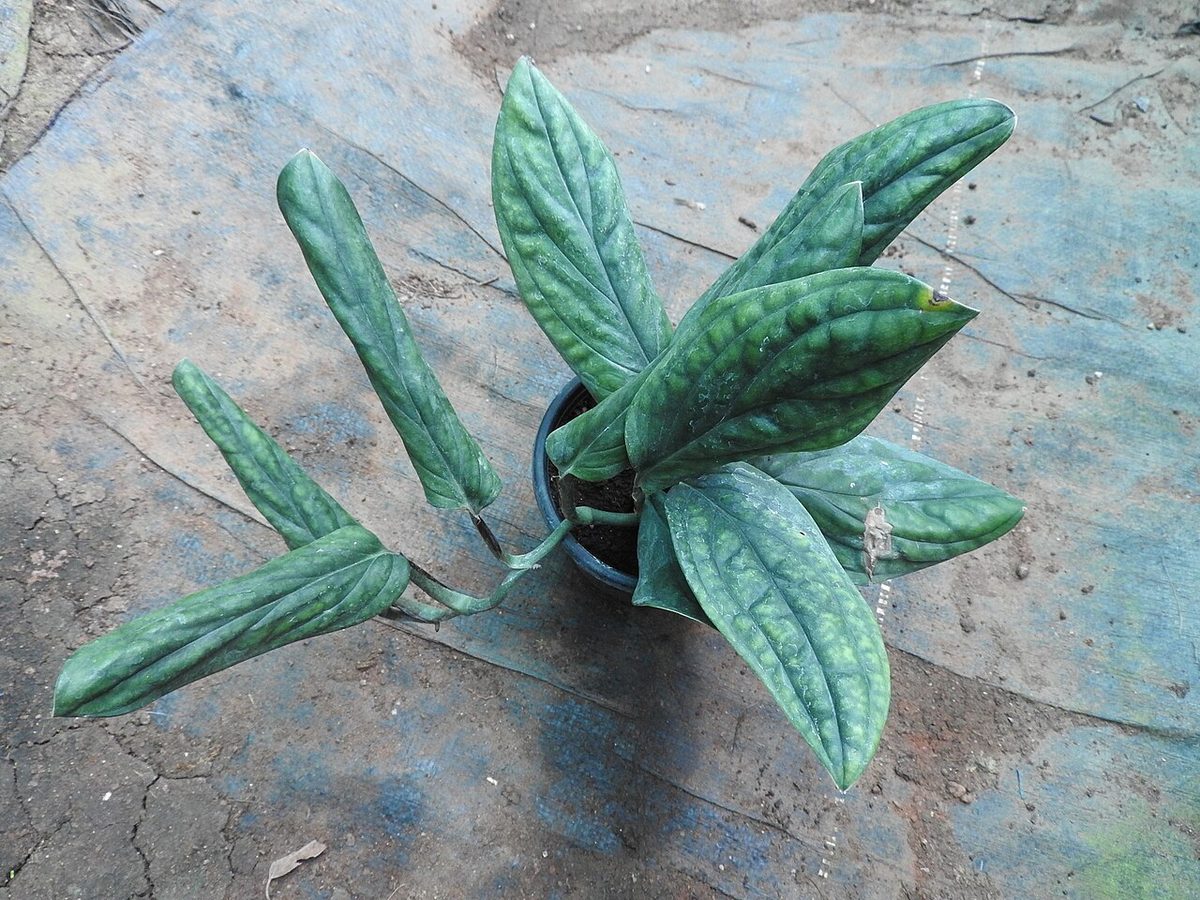
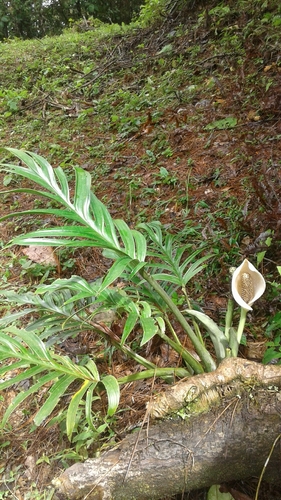
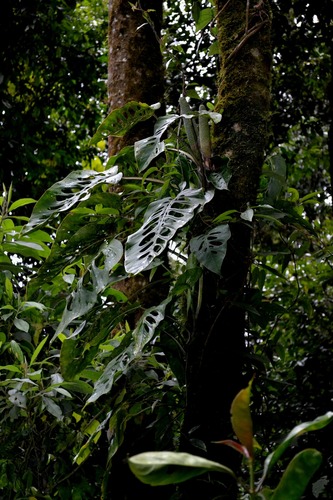
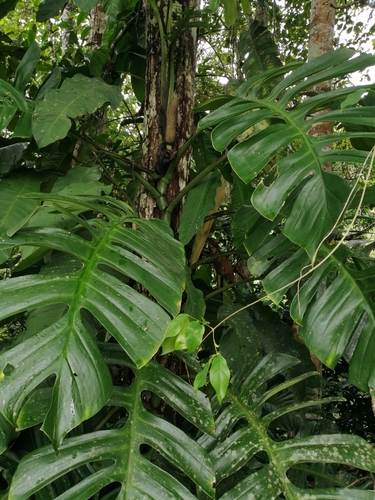
Monstera, commonly known as the Swiss Cheese Plant or Split-Leaf Philodendron, is a popular genus of tropical plants admired for their distinctive, fenestrated leaves. The genus includes around 45 species, each boasting unique leaf patterns and growth habits. Monstera plants are prized for their ornamental value and are popular both as houseplants and garden specimens.

Habitat naturale
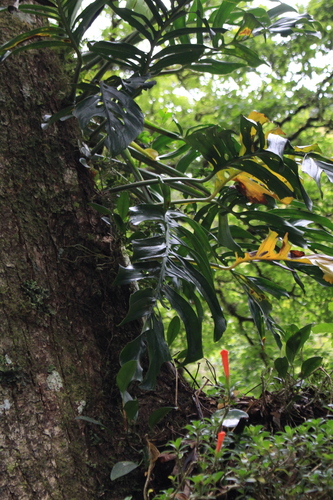
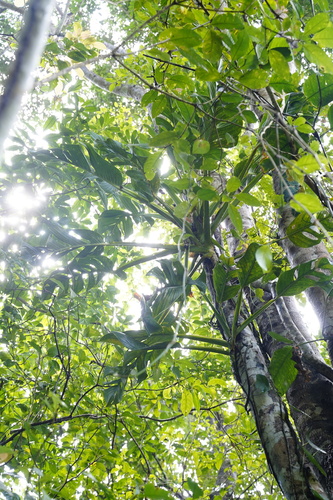
Monstera species originate from tropical regions of Central and South America. They thrive in humid environments, often found in rainforests and along riverbanks. These plants typically grow in the understory of forests, where they receive filtered sunlight. The natural habitat of Monstera plants is characterized by high humidity, warm temperatures, and rich, well-draining soil.
Storia e cultura
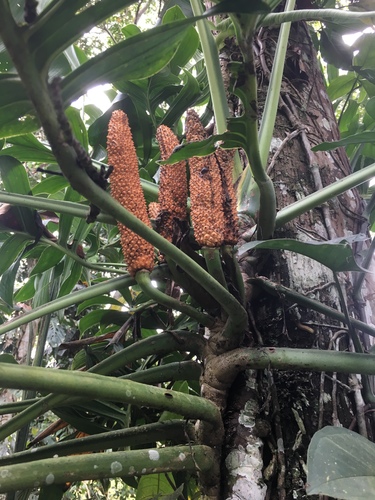
Monstera plants have been used in various cultural contexts in their native regions. They are often associated with tropical beauty and are frequently featured in art and design. The fruits of some species, such as Monstera deliciosa, are edible and considered delicacies in certain cultures.
Utilizzi
In modern times, Monstera plants are primarily grown for their ornamental value. Their dramatic foliage makes them popular choices for interior decoration and landscape design. The unique, perforated leaves add a tropical flair to any setting, making them a favorite among plant enthusiasts.
Conservazione
While many Monstera species are commonly cultivated, some are considered rare or endangered in their natural habitats due to habitat destruction and over-harvesting. Conservation efforts are important to preserve the genetic diversity and ecological roles of these plants in their native regions.
Monstera adansonii
Monstera adansonii
1 cultivar
Monstera deliciosa
Monstera deliciosa
4 cultivar
Monstera dubia
Monstera dubia
Monstera epipremnoides
Monstera lechleriana
Monstera obliqua
Monstera obliqua
Monstera peru
Monstera pinnatipartita
Monstera siltepecana
Monstera spruceana
Monstera spruceana
Monstera standleyana
1 cultivar
Monstera subpinnata
Monstera subpinnata
Monstera × Mint Frosty 'Aurea'
Luce

Bright, indirect light produces the largest leaves with the deepest fenestrations (holes and splits). Monstera tolerates medium light but leaves stay smaller and less fenestrated. Direct intense sun scorches the leaves; however, some direct morning sun is beneficial. Insufficient light is the primary reason mature Monstera fail to develop characteristic fenestrations.

Acqua

Allow the top 3–5 cm of soil to dry between waterings, then water thoroughly until it drains freely. Monstera stores some water in its large leaves but is susceptible to root rot if kept too wet. Water less in winter. Yellow leaves with no other symptoms usually indicate overwatering.

Substrato

Use a rich, chunky, well-draining mix: 40% potting compost, 30% perlite, 30% orchid bark. Good aeration around the roots is important for this epiphytic species.

Temperatura e umidità

Optimal 18–27 °C; minimum 12 °C. Moderate to high humidity (50–70%) promotes larger, healthier leaves. Standard indoor humidity is adequate for survival, but a humidifier significantly improves growth.

Concimazione

Feed monthly during spring and summer with a balanced liquid fertilizer. Reduce to every 6–8 weeks in autumn, stop in winter. A fertilizer with added calcium and magnesium supports large-leaf development.

Potatura

Provide a moss pole or sturdy stake — Monstera is a natural climber that produces larger, more fenestrated leaves when it can climb upward. The aerial roots that develop along the stem can be directed into the moss pole (keep it moist) or allowed to trail. Do not remove aerial roots. Wipe large leaves with a damp cloth monthly. Monstera contains calcium oxalate — toxic to pets and irritating to human skin.

Talea

The most common method for propagating Monstera is by stem cuttings. This involves cutting a portion of the stem with at least one node and placing it in water or soil to root.

1
Carefully cut a healthy stem section just below a node.
2
Place the cutting in water or directly in a well-draining potting mix.
3
Keep the cutting in a warm, humid environment with indirect light until roots develop.
4
Once rooted, transplant the cutting to a larger pot with suitable soil.
Propaggine

Air layering is another effective method for propagating Monstera.

1
Select a healthy branch and make a shallow cut in the middle of the branch.
2
Wrap moist sphagnum moss around the cut and cover with plastic wrap.
3
Secure the moss and plastic with twine or rubber bands.
4
Roots will form within a few weeks. Once roots are established, cut below the roots and plant in a separate container.
Why doesn't my Monstera have holes in its leaves?
Fenestrations (holes and splits) develop with age and in response to good light. Young plants produce solid leaves regardless of conditions. Ensure bright indirect light and provide a moss pole so the plant can climb — climbing triggers the development of mature, fenestrated foliage.
What should I do with the aerial roots?
Do not remove them. Direct them toward a moist moss pole to provide additional support and allow the plant to absorb moisture and nutrients through them. Long aerial roots trailing in the air can be tucked into the soil as well.
Is Monstera toxic?
Yes. Monstera deliciosa contains calcium oxalate crystals in all parts except ripe fruit. Ingestion causes burning, swelling and irritation of the mouth and throat. Keep away from cats, dogs and children.