Nematanthus
| Regno | Plantae |
| Sottoregno | Tracheobionta |
| Superdivisione | Spermatophyta |
| Divisione | Magnoliophyta |
| Classe | Magnoliopsida |
| Ordine | Lamiales |
| Famiglia | Gesneriaceae |
| Sottofamiglia | Gesnerioideae |
| Genere | Nematanthus |
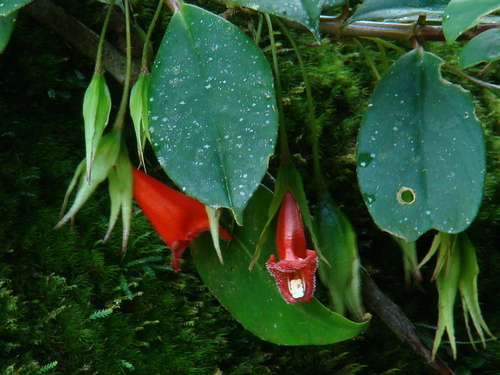
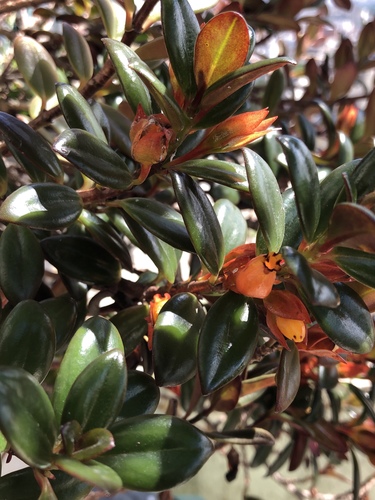
Nematanthus, detta anche pianta pesce rosso, è un grazioso genere di piante tropicali apprezzate per i vivaci fiori tubolari e il fogliame attraente. Comprende circa 30 specie, ognuna con caratteristiche proprie. I nematanthus sono apprezzati per il valore ornamentale e diffusi come piante da appartamento per i fiori colorati e la facilità di coltivazione.
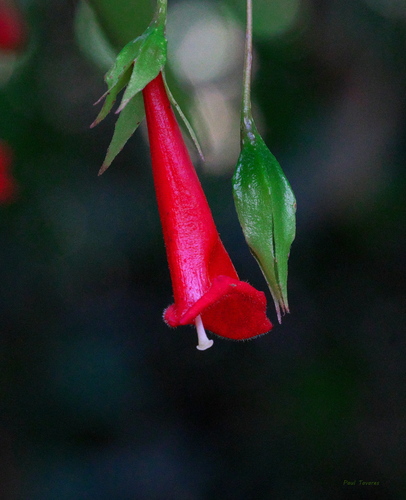
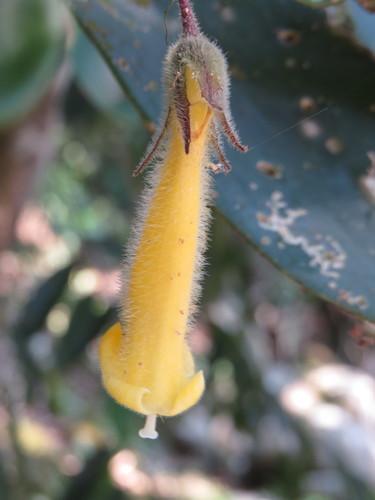
Specie e varietà (5)
Guida alla cura
Luce
L'ideale è la luce intensa indiretta, vicino a una finestra esposta a est o a ovest. Un po' di sole diretto al mattino favorisce una fioritura abbondante. Evitare il sole forte del pomeriggio, che brucia le foglie. Con luce insufficiente non fiorisce affatto.
Acqua
Lasciare asciugare i primi 2-3 cm di terriccio tra un'annaffiatura e l'altra. Il nematanthus sopporta brevi periodi di secco, ma in primavera ed estate preferisce un'umidità moderata e costante. In inverno, dopo la fioritura, ridurre molto le annaffiature e lasciare asciugare quasi tutto il terriccio: questo riposo fresco e asciutto è importante per avviare il ciclo di fioritura successivo.
Substrato
Usare un substrato leggero e ben drenante: 50% torba o fibra di cocco, 50% perlite. Drenaggio e aerazione sono fondamentali: le radici sono sottili e marciscono facilmente nei terricci pesanti e bagnati.
Temperatura e umidità
Ideale 18-24 °C durante la crescita; un riposo invernale più fresco, a 12-15 °C, favorisce una fioritura migliore. Un'umidità moderata (40-60%) è sufficiente. Evitare le correnti fredde.
Concimazione
In primavera ed estate concimare ogni 2 settimane con un concime liquido ricco di fosforo e potassio (per esempio un 5-10-10 o quello per pomodori) per favorire la fioritura. Non concimare durante il riposo invernale.
Potatura
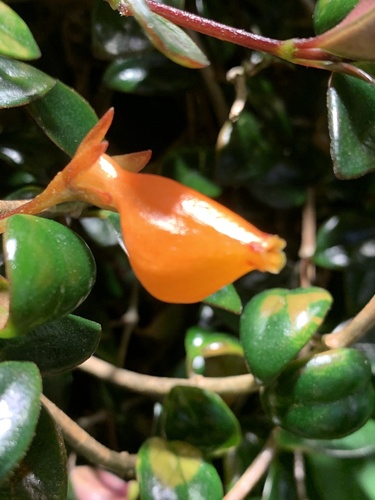
Dopo la fioritura accorciare i fusti di un terzo o della metà, per favorire una ricrescita folta e il ciclo di fioritura successivo. I fusti tagliati radicano facilmente in acqua o in terriccio umido per moltiplicarla. I caratteristici fiori arancioni a sacchetto ricordano minuscoli pesci rossi: da qui il nome comune di “pianta pesce rosso”.
Propagazione
Talea
Il metodo più comune per moltiplicare il nematanthus è la talea di fusto: si prelevano talee da fusti sani e le si fa radicare in acqua o nel terriccio.
Polloni/figli
Alcune specie di nematanthus producono polloni, che si possono separare dalla pianta madre e invasare singolarmente.