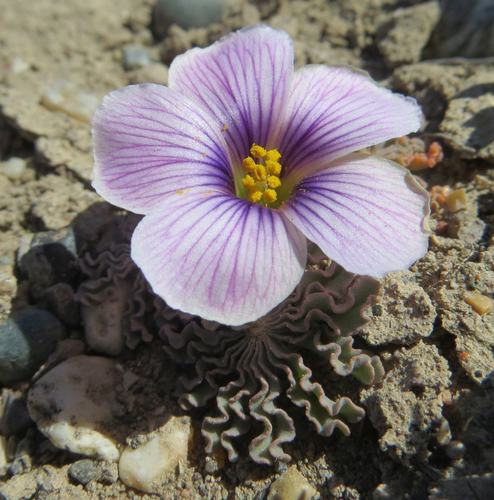
Oxalis
| Regno | Plantae |
| Sottoregno | Tracheobionta |
| Superdivisione | Spermatophyta |
| Divisione | Magnoliophyta |
| Classe | Magnoliopsida |
| Ordine | Oxalidales |
| Famiglia | Oxalidaceae |
| Sottofamiglia | Oxalidoideae |
| Genere | Oxalis |
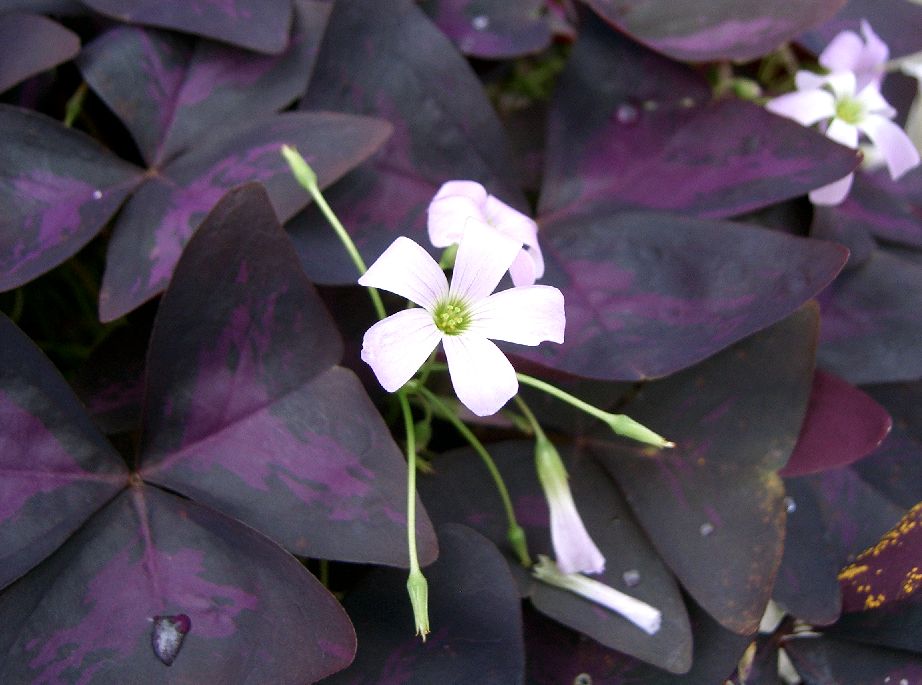
Oxalis triangularis, detta anche trifoglio viola o falso trifoglio, è una graziosa perenne bulbosa famosa per le foglie triangolari viola che compiono movimenti nictinastici, chiudendosi di notte. Questa specie della famiglia Oxalidaceae è apprezzata per i fiori delicati e il fogliame “animato”, che ne fanno una delle piante da appartamento preferite.
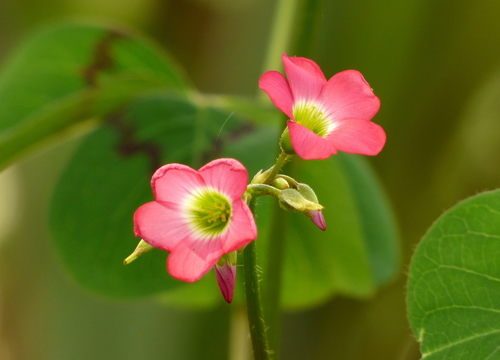
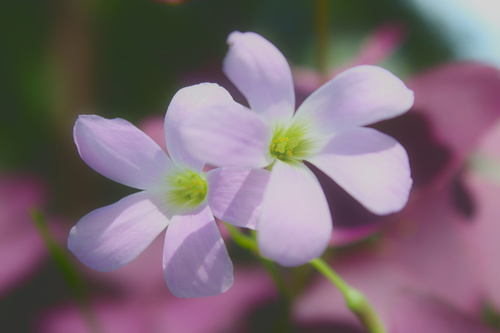
Specie e varietà (3)
Guida alla cura
Luce
Per i risultati migliori l'oxalis preferisce la luce intensa indiretta con un po' di sole diretto al mattino. Più luce riceve (restando tra la luce indiretta e il sole del mattino), più cresce e fiorisce con vigore. Le varietà a foglia viola (Oxalis triangularis) mantengono meglio il colore intenso con molta luce. Evitare il sole forte del pomeriggio.
Acqua
Lasciare asciugare i primi 2-3 cm di terriccio tra un'annaffiatura e l'altra, poi annaffiare abbondantemente. L'oxalis cresce da bulbi (cormi) che accumulano acqua: sopporta una moderata siccità, ma con il terriccio costantemente umido cresce meglio. Ridurre le annaffiature quando le foglie cominciano a ingiallire e seccare: la pianta sta entrando in riposo. Riprendere ad annaffiare dopo 4-6 settimane per far ripartire il ciclo di crescita.
Substrato
Terriccio ben drenante: 50% terriccio, 50% perlite. Un buon drenaggio evita che i cormi marciscano durante il riposo. Ideale un pH leggermente acido.
Temperatura e umidità
Ideale 15-24 °C. Tollera temperature più fresche (fino a 5 °C per alcune specie). L'umidità normale di casa è sufficiente.
Concimazione
Durante la crescita attiva concimare ogni 2-3 settimane con un concime liquido bilanciato a metà dose. Non concimare durante il riposo.
Potatura
L'oxalis attraversa periodi di riposo: tutte le foglie ingialliscono e seccano naturalmente (per effetto del caldo, della siccità o del cambiamento della lunghezza del giorno). È normale: ridurre le annaffiature, lasciare seccare del tutto il fogliame e aspettare 4-6 settimane prima di riprendere le annaffiature normali. I nuovi getti spunteranno pochi giorni dopo aver ricominciato ad annaffiare. Questo ciclo può ripetersi 1-2 volte l'anno. La pianta chiude le foglie di notte e con poca luce: è un normale movimento nictinastico.
Propagazione
Divisione
Easiest method during dormancy. Oxalis produces numerous small bulbs.
Talea
Prelevare talee apicali durante la crescita attiva: radicano facilmente.