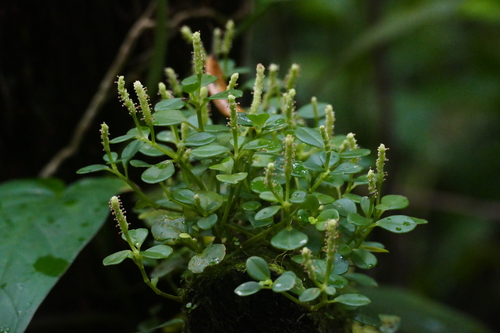
Peperomia
| Regno | Plantae |
| Sottoregno | Tracheobionta |
| Superdivisione | Spermatophyta |
| Divisione | Magnoliophyta |
| Classe | Magnoliopsida |
| Ordine | Piperales |
| Famiglia | Piperaceae |
| Genere | Peperomia |
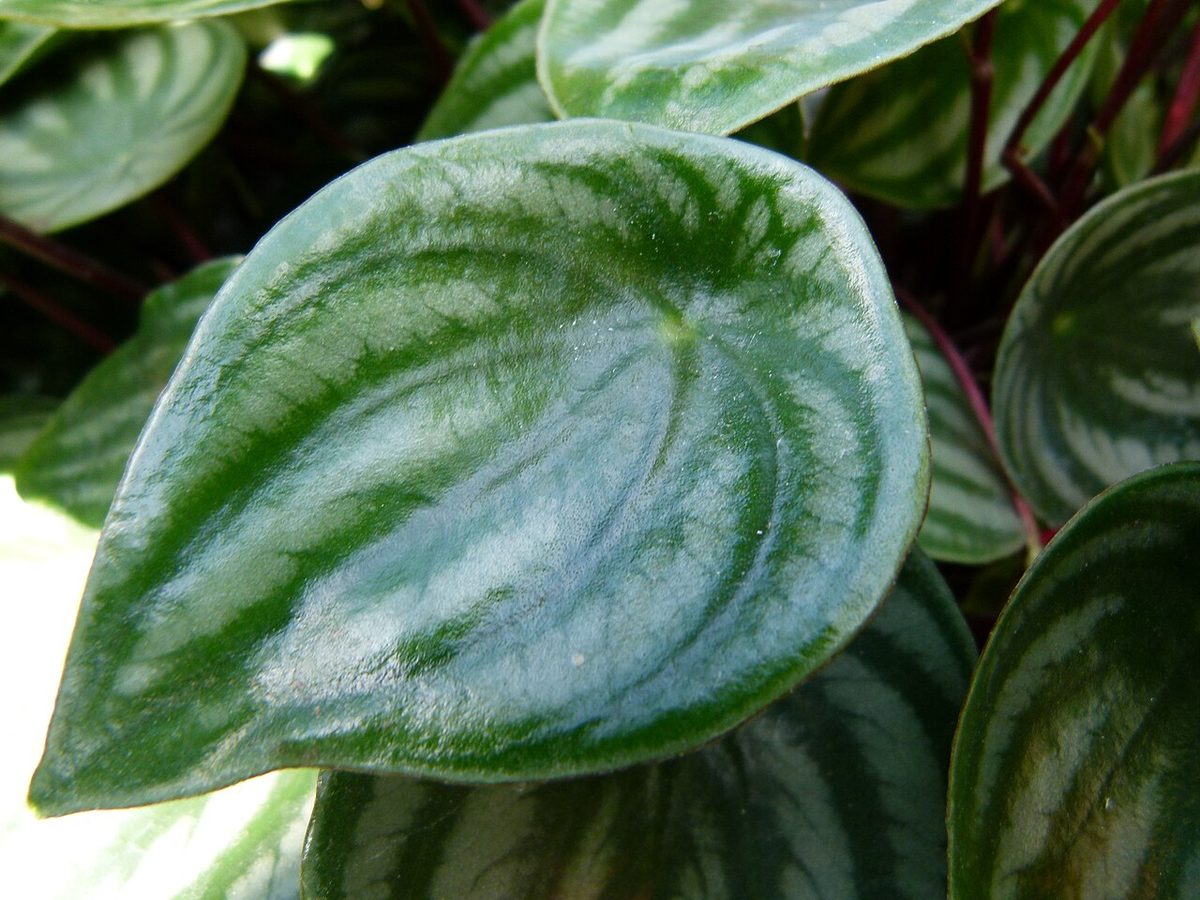
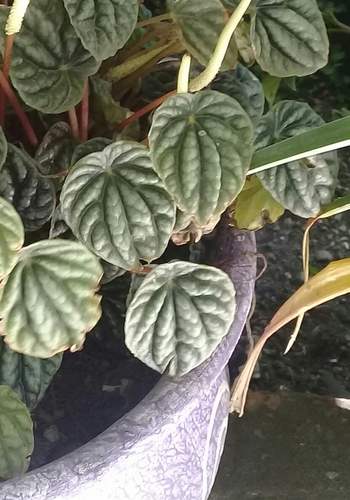
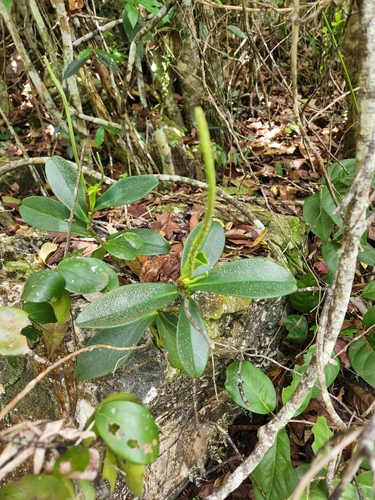
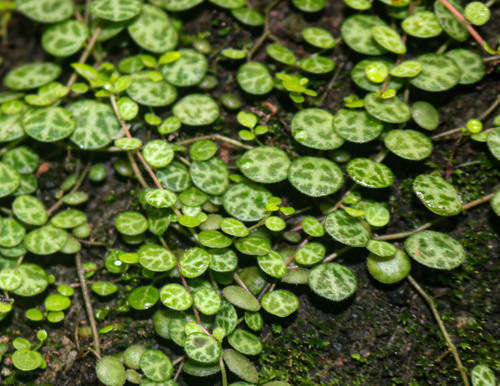
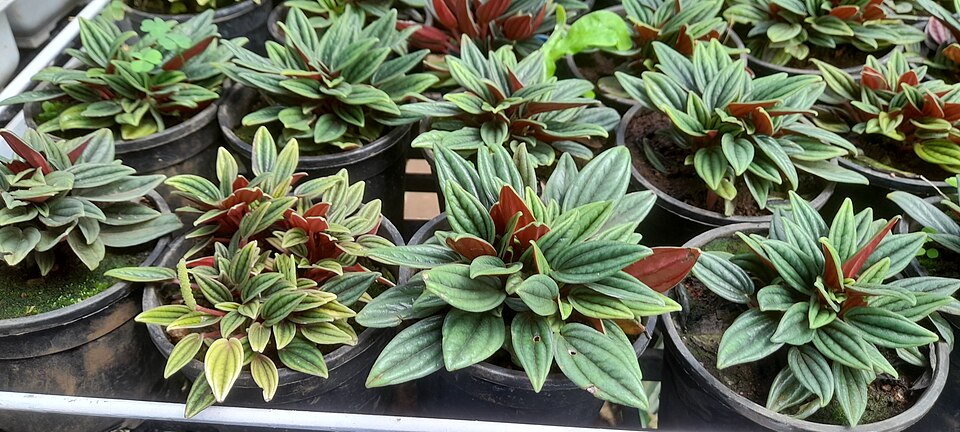
Peperomia è un grazioso genere di piante tropicali e subtropicali noto per il fogliame vario e decorativo. Comprende oltre 1.000 specie, ognuna con forma, dimensioni e colori delle foglie particolari. Le peperomie sono apprezzate per le dimensioni compatte e la facilità di coltivazione, che ne fanno piante da appartamento molto diffuse.
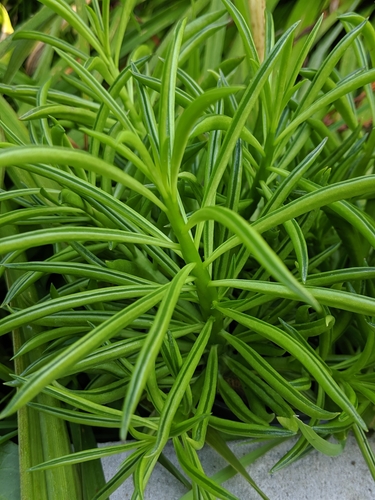
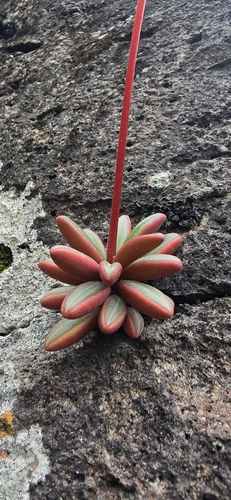
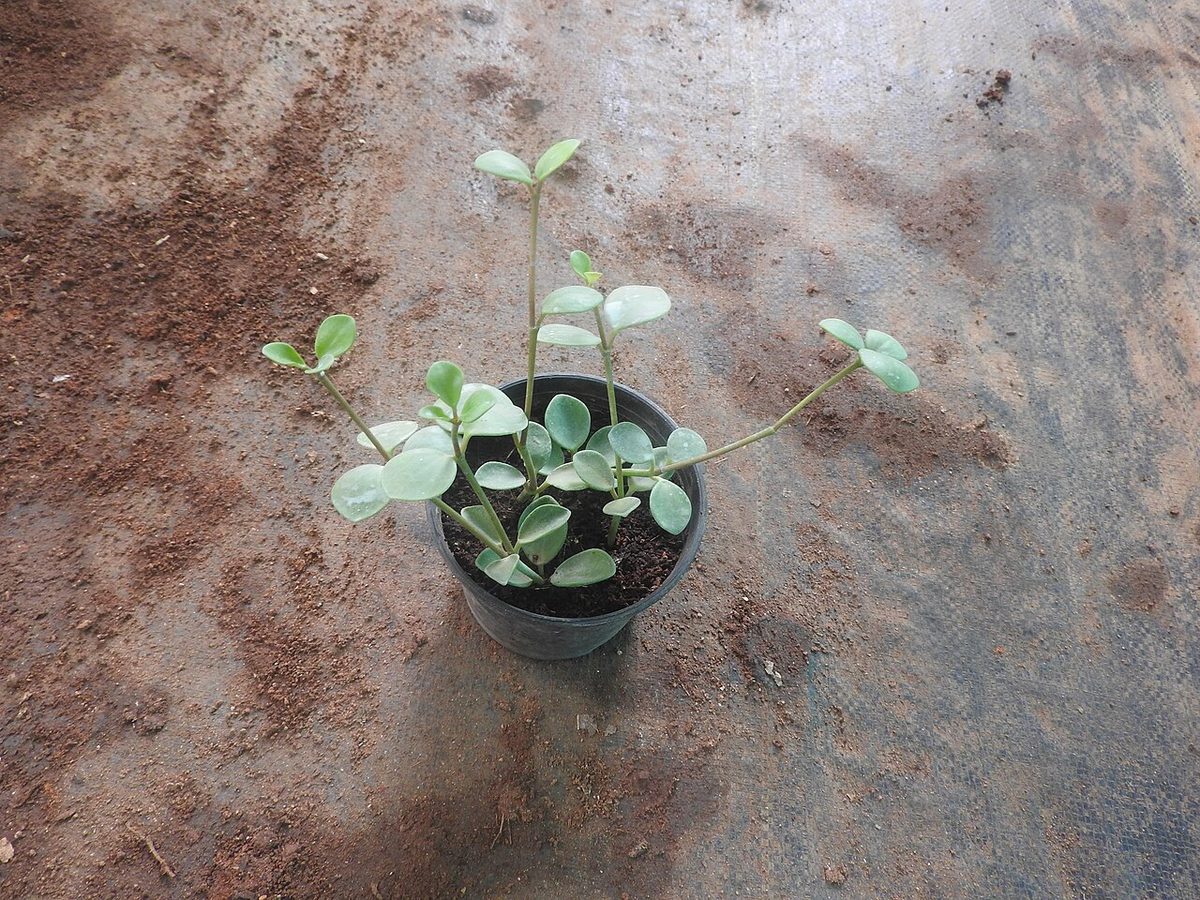
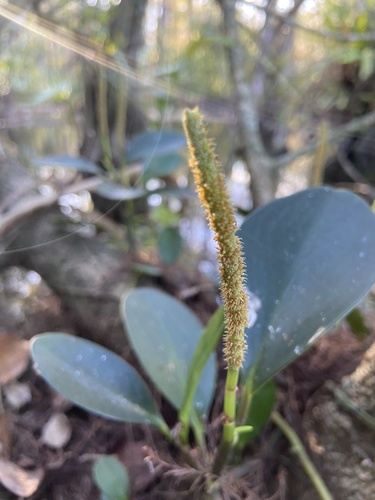
Specie e varietà (9)
Guida alla cura
Luce
Alla maggior parte delle peperomie va bene la luce indiretta da media a intensa. Grazie alle foglie che accumulano acqua tollerano meno luce di molte piante tropicali, ma la crescita rallenta molto. Le forme variegate hanno bisogno di più luce per mantenere il disegno. Evitare il sole diretto forte, che brucia le foglie.
Acqua
Lasciare asciugare il terriccio tra un'annaffiatura e l'altra: la peperomia accumula acqua nelle foglie e nei fusti spessi e carnosi, e muore molto più facilmente per troppa acqua che per siccità. Annaffiare abbondantemente quando la metà superiore del terriccio è asciutta, poi lasciarlo asciugare di nuovo prima dell'annaffiatura successiva. In inverno annaffiare pochissimo. Quando la pianta ha bisogno d'acqua le foglie sono leggermente più morbide.
Substrato
Un substrato ben drenante è fondamentale: 50% terriccio universale, 50% perlite, oppure un terriccio per succulente. La peperomia ha radici piccole e sottili e preferisce vasi bassi: quelli profondi trattengono troppa acqua attorno alle radici.
Temperatura e umidità
Ideale 18-26 °C; minimo 10 °C. L'umidità normale di casa va benissimo: la peperomia non ha bisogno dell'umidità alta di felci o Calathea. Evitare correnti fredde e temperature estreme.
Concimazione
Concimare una volta al mese in primavera ed estate con un concime liquido bilanciato a un quarto della dose. La peperomia ha bisogno di poco nutrimento: il troppo concime la fa crescere allungata e debole. Non concimare in autunno e in inverno.
Potatura
Eliminare subito le foglie gialle o marce. Cimare le punte dei fusti per mantenerla compatta e folta. Rinvasare di rado: la peperomia preferisce avere le radici un po' strette, e un vaso troppo grande aumenta il rischio di troppa acqua e marciume radicale. Rinvasarla solo quando le radici escono chiaramente dai fori di drenaggio.
Propagazione
Talea
Il metodo più comune per moltiplicare la peperomia è la talea di fusto: si taglia un fusto sano e lo si fa radicare in acqua o nel terriccio. Assicurarsi prima che la pianta madre sia sana.