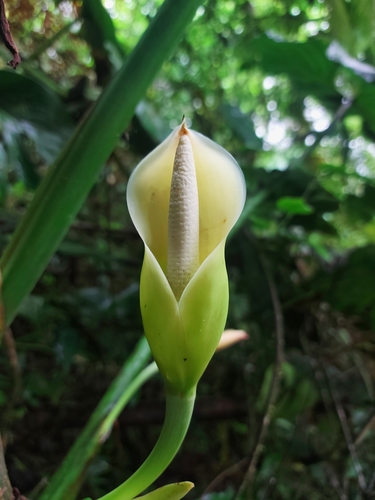
Philodendron
Araceae

Philodendron

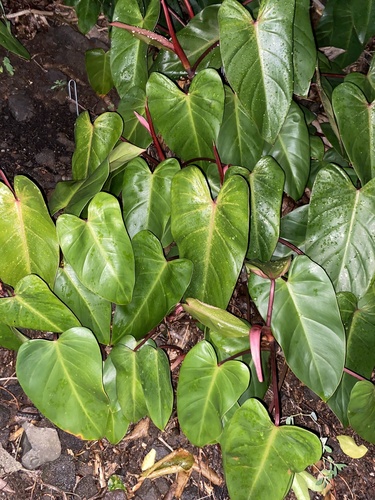
Heartleaf Philodendron
RegnoPlantae
SottoregnoTracheobionta
SuperdivisioneSpermatophyta
DivisioneMagnoliophyta
ClasseLiliopsida
OrdineAlismatales
FamigliaAraceae
SottofamigliaAroideae
GenerePhilodendron
Luce
Medium high
Acqua
Medium high
Specie
13

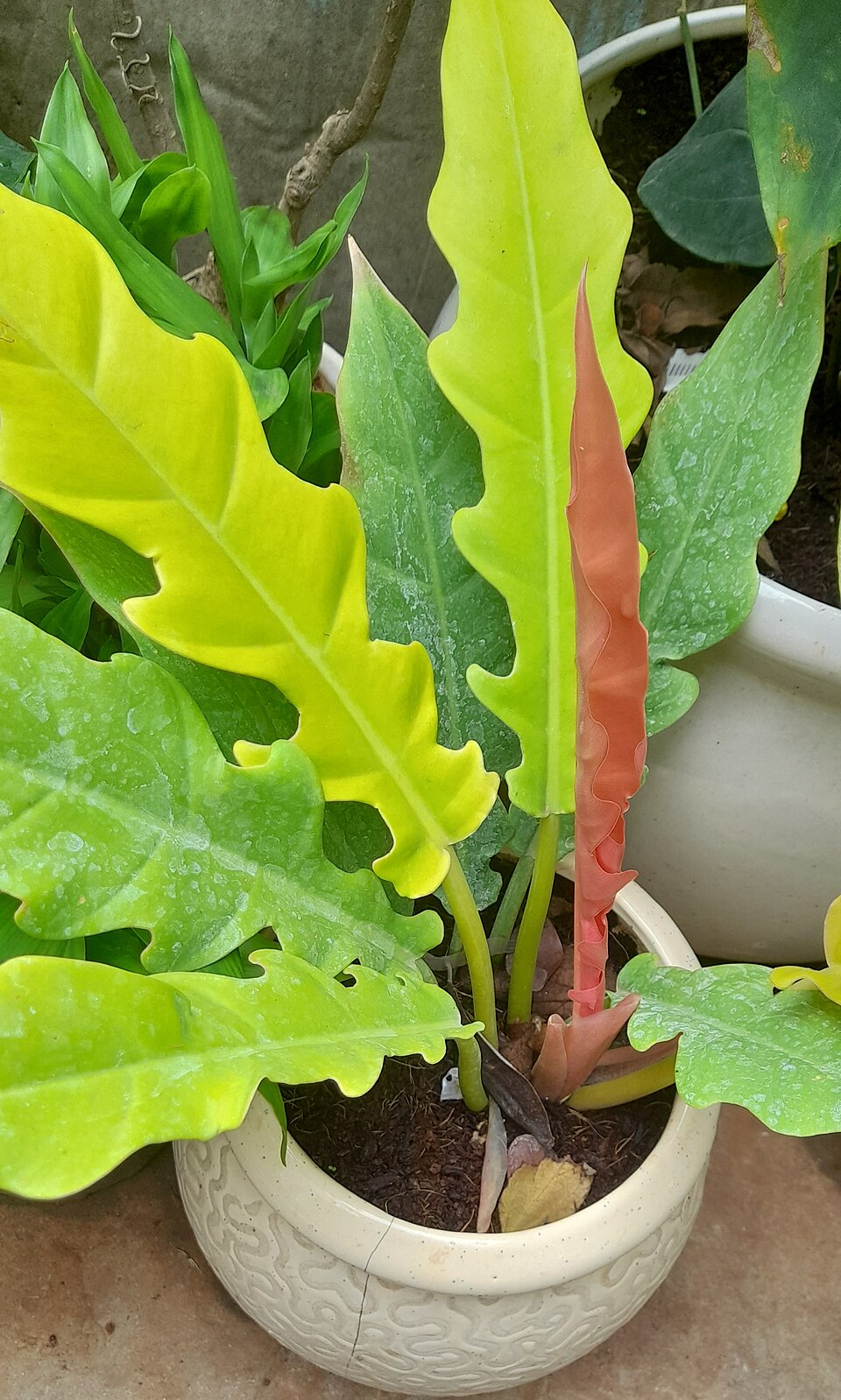
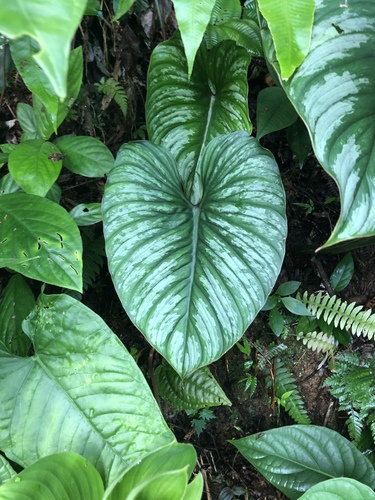
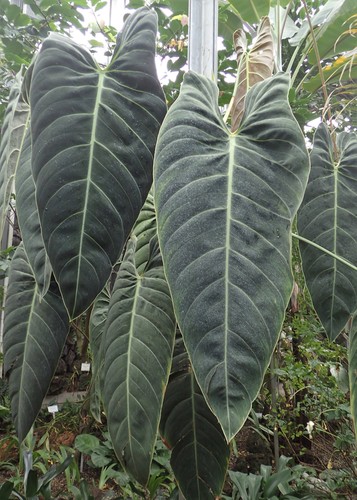
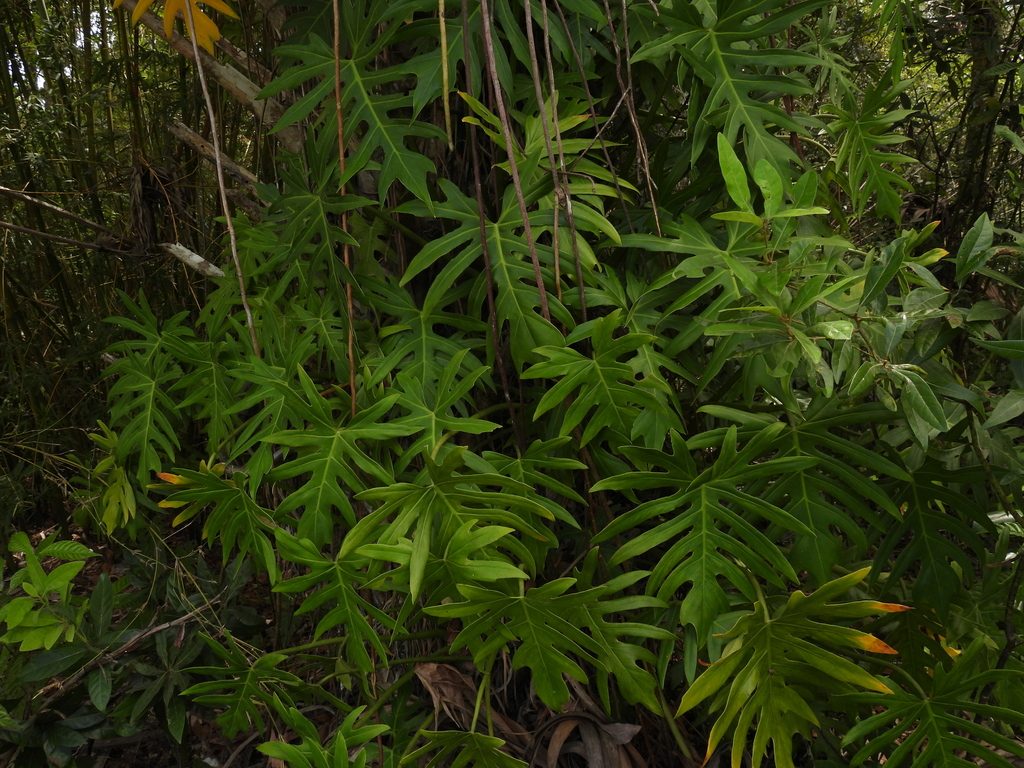
Philodendron is a diverse genus of tropical plants known for their lush, ornamental foliage. With over 450 species, Philodendron plants exhibit a wide range of leaf shapes, sizes, and colors, making them popular choices for both indoor and outdoor gardening. These plants are valued for their ease of care and ability to thrive in various conditions.

Habitat naturale
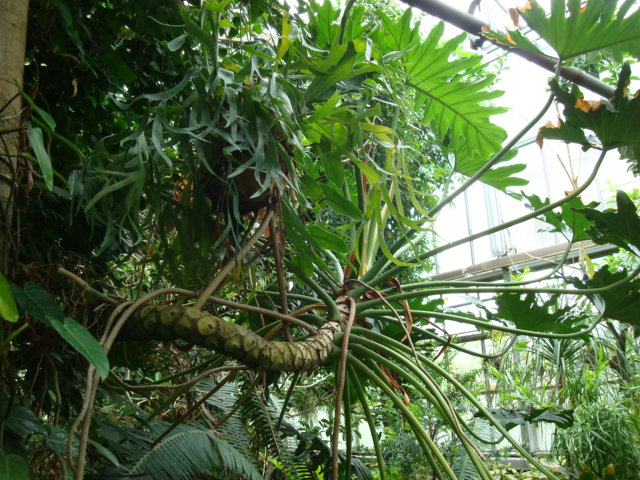
Philodendron species are native to the tropical regions of Central and South America. They are commonly found in rainforests, growing as epiphytes on trees or as ground cover. These plants thrive in humid environments with filtered sunlight, replicating their natural habitat's conditions.
Storia e cultura
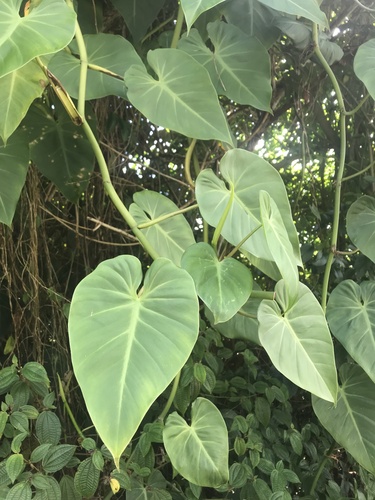
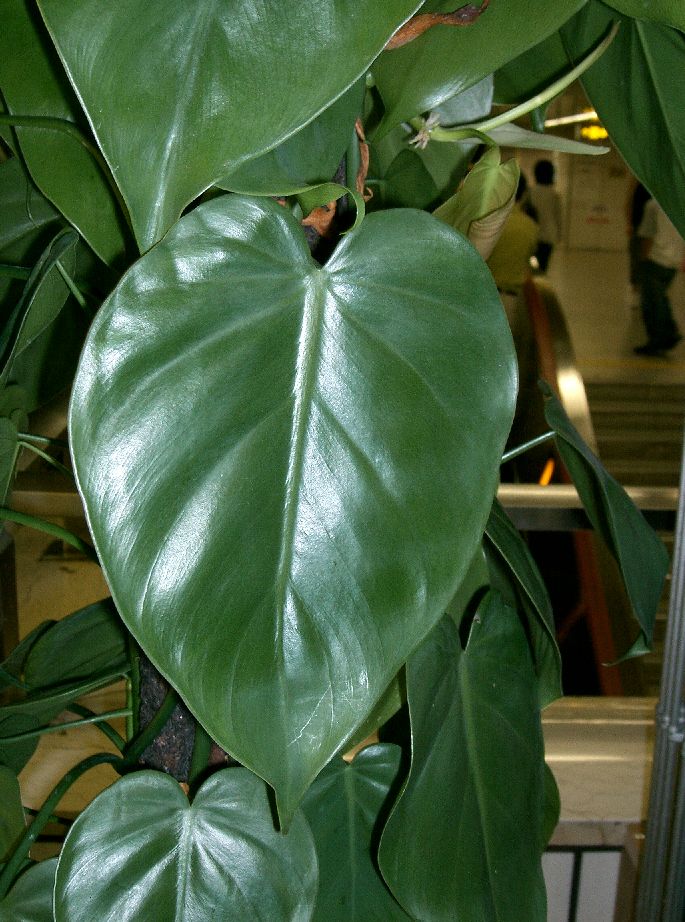
Philodendrons have a rich history in their native regions, where they have been used in traditional medicine and as ornamental plants. Their heart-shaped leaves are often associated with love and affection, adding to their popularity in households and gardens worldwide.
Utilizzi
In contemporary times, Philodendrons are cherished for their ornamental value. They are ideal for interior decoration due to their attractive foliage and low maintenance requirements. Their air-purifying qualities further enhance their appeal as houseplants.
Conservazione
While many Philodendron species are widely cultivated, some are rare or endangered in their natural habitats due to deforestation and habitat loss. Conservation efforts are essential to protect these species and maintain their ecological roles in tropical ecosystems.
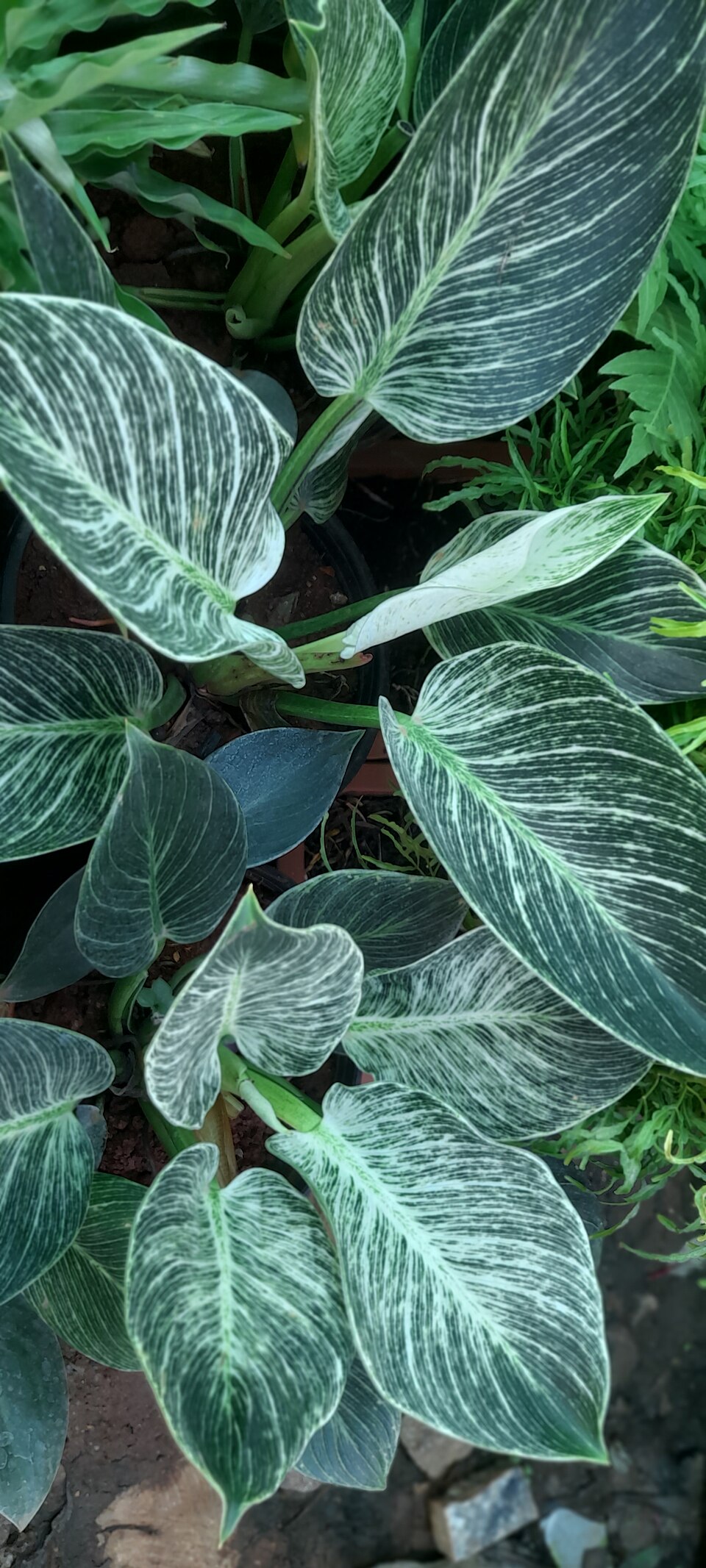
Philodendron Birkin
Philodendron Birkin
Philodendron Brasil
Philodendron bipinnatifidum
Philodendron erubescens
1 cultivar
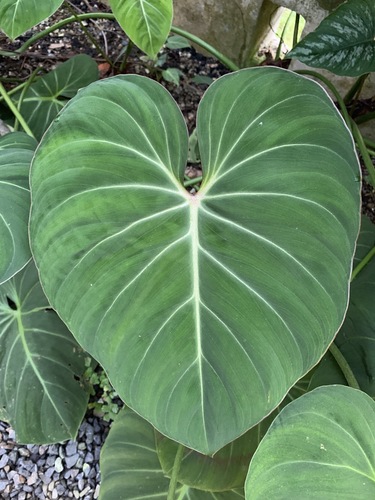
Philodendron gloriosum
Philodendron hederaceum
Philodendron hybrid
Philodendron hybrid
7 cultivar
Philodendron mamei
Philodendron mamei
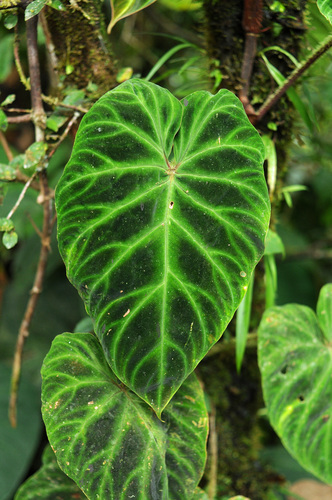
Philodendron melanochrysum
Philodendron scandens
Philodendron selloum
Philodendron verrucosum
Philodendron xanadu
Luce

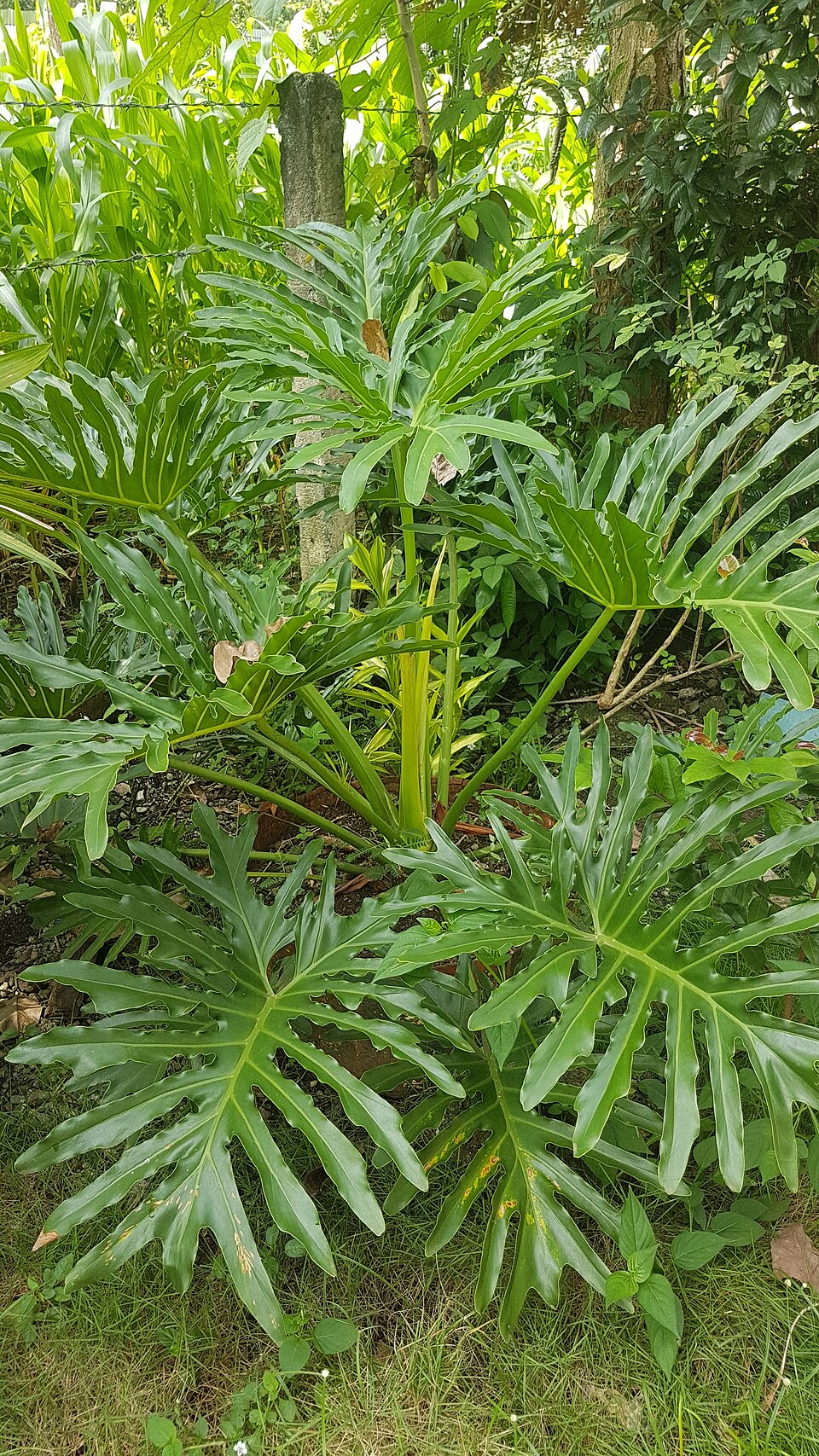
Bright indirect light produces the best growth for both climbing (e.g. Philodendron hederaceum) and self-heading (e.g. Philodendron gloriosum, P. bipinnatifidum) forms. Tolerates medium light but leaves become smaller and more widely spaced. Variegated cultivars (e.g. 'Brasil', 'Lemon Lime') need brighter light to maintain their colour. Avoid direct sun.

Acqua

Allow the top 2–4 cm of soil to dry between waterings, then water thoroughly. Philodendron prefers consistent moderate moisture rather than a true dry cycle. Yellow leaves on lower stems are the most common sign of overwatering; drooping with dry soil signals underwatering. Reduce frequency in winter.

Substrato

Well-draining, aerated mix: 40% potting compost, 30% perlite, 30% orchid bark. Good root aeration is important — Philodendron is epiphytic in the wild and benefits from a chunkier mix.

Temperatura e umidità

Optimal 18–27 °C; minimum 13 °C. Moderate to high humidity (50–70%) promotes larger leaves with longer internodes. Standard indoor humidity is adequate for survival, but a humidifier significantly improves growth quality.

Concimazione

Feed every 2–4 weeks during spring and summer with a balanced liquid fertilizer. Reduce to monthly in autumn, stop in winter. A fertilizer with added calcium supports large leaf development.

Potatura

Climbing Philodendrons (heartleaf, Brasil, etc.) produce larger, more mature leaves when given a moss pole or rough support to climb — direct aerial roots into the moist pole. Self-heading forms need no support but benefit from having the outer dead leaves removed regularly. All Philodendrons contain calcium oxalate and are toxic to pets and humans if ingested.

Talea

The most common method for propagating Philodendron is by stem cuttings. This involves cutting a healthy stem and rooting it in water or soil.

1
Select a healthy stem with at least one node and cut it just below the node.
2
Remove any lower leaves to expose the node.
3
Place the cutting in water or directly into a pot with well-draining soil.
4
Keep the cutting in a warm, humid environment with indirect light until roots develop.
Divisione

Some Philodendron species can also be propagated by division, especially those with clumping growth habits.

1
Carefully remove the plant from its pot and gently shake off excess soil to expose the roots.
2
Locate natural divisions in the root ball where new shoots are emerging.
3
Use a sharp, sterilized knife to separate the divisions, ensuring each section has roots and shoots.
4
Plant each division in a separate pot with well-draining soil and water thoroughly.
Why are my Philodendron leaves small and widely spaced?
Insufficient light is the main cause of small leaves and long internodes (gaps between leaves). Move to a brighter position. For climbing varieties, adding a moss pole also encourages the plant to produce larger, more mature leaf forms.
What is the difference between climbing and self-heading Philodendrons?
Climbing types (e.g. hederaceum, scandens, Brasil) produce vines that naturally climb trees and benefit from a moss pole indoors. Self-heading types (e.g. bipinnatifidum, gloriosum) grow from a central rosette without climbing, producing very large leaves and requiring more floor space.
Is Philodendron toxic?
Yes. All Philodendron species contain calcium oxalate crystals in their sap. Ingestion causes burning and swelling of the mouth and throat, vomiting and drooling in pets. Keep away from cats, dogs and children.