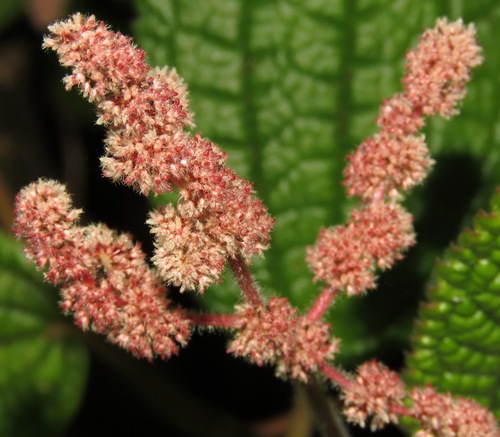
Pilea
| Regno | Plantae |
| Sottoregno | Tracheobionta |
| Superdivisione | Spermatophyta |
| Divisione | Magnoliophyta |
| Classe | Magnoliopsida |
| Ordine | Rosales |
| Famiglia | Urticaceae |
| Genere | Pilea |
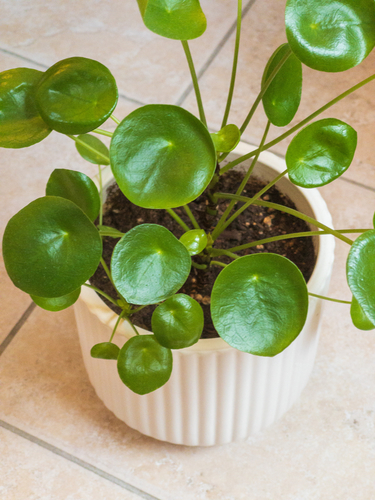
Pilea, conosciuta anche come pianta cinese dei soldi o pianta UFO, è un grazioso genere di piante da fiore apprezzate per le caratteristiche foglie rotonde e la facilità di coltivazione. Comprende diverse specie, tutte apprezzate per il valore ornamentale e l'adattabilità come piante da appartamento.
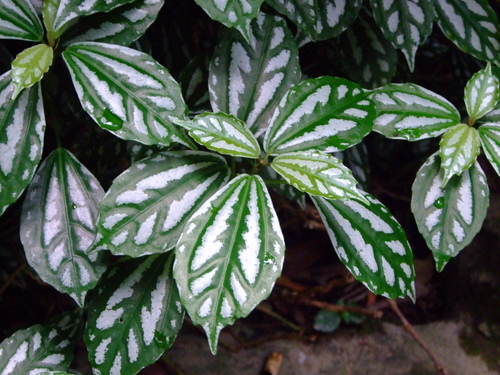
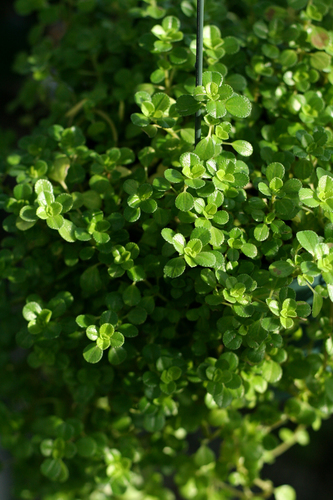
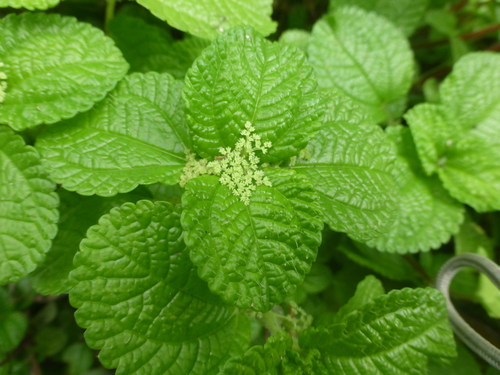
Specie e varietà (4)
Guida alla cura
Luce
L'ideale è la luce intensa indiretta, vicino a una finestra esposta a est o a ovest. Pilea peperomioides (la specie più diffusa, la pianta cinese dei soldi) tollera la luce media ma cresce meglio in condizioni luminose. Il sole diretto forte brucia le foglie rotonde. Ruotare il vaso di un quarto di giro ogni settimana per una crescita uniforme e simmetrica.
Acqua
Lasciare asciugare i primi 2-3 cm di terriccio tra un'annaffiatura e l'altra, poi annaffiare abbondantemente. Quando ha sete la pilea si affloscia in modo evidente: usarlo come segnale per annaffiare, e la pianta si riprenderà in fretta. Non lasciarla con l'acqua nel sottovaso. Ridurre le annaffiature in inverno.
Substrato
Terriccio ben drenante con aggiunta di perlite (3:1). Un buon drenaggio previene il marciume delle radici superficiali. pH da leggermente acido a neutro.
Temperatura e umidità
Ideale 13-25 °C, più fresca di molte piante tropicali. Tollera temperature fino a 10 °C. L'umidità normale di casa è sufficiente; non serve umidità alta.
Concimazione
Concimare una volta al mese in primavera ed estate con un concime liquido bilanciato a metà dose. Sospendere in inverno. Basta una concimazione leggera: il troppo concime provoca una crescita eccessiva e molle.
Potatura
Staccare i polloni che spuntano alla base: Pilea peperomioides ne produce moltissimi e si possono invasare singolarmente. Per questo si è guadagnata il soprannome di “pianta dell'amicizia”: i polloni radicano facilmente e si regalano. Ruotarla spesso per una crescita simmetrica. Rinvasarla ogni 1-2 anni, quando polloni e radici hanno riempito il vaso.
Propagazione
Polloni/figli
La pilea produce polloni che si possono separare dalla pianta madre e invasare singolarmente.
Talea
La pilea si moltiplica anche per talea di fusto prelevata da piante sane e ben sviluppate.