Pinus
Pinaceae

Pinus

Pine Tree
RegnoPlantae
SottoregnoTracheobionta
SuperdivisioneSpermatophyta
DivisionePinophyta
ClassePinopsida
OrdinePinales
FamigliaPinaceae
GenerePinus
Luce
Medium high
Acqua
Low
Specie
12

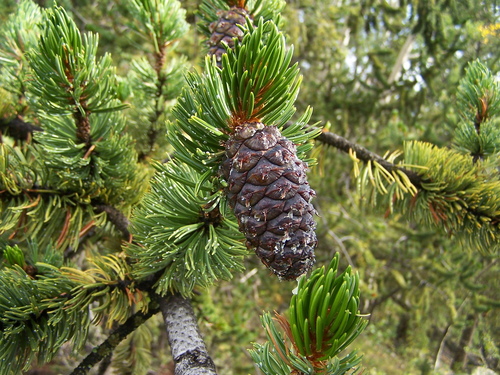
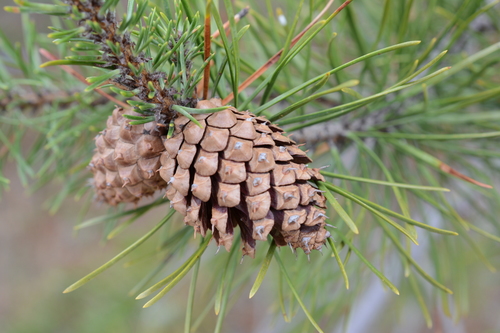
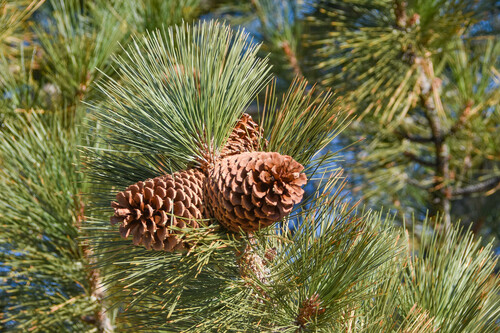
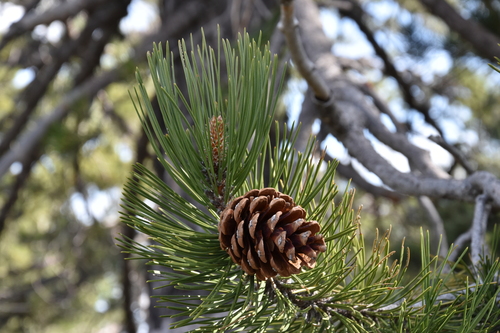
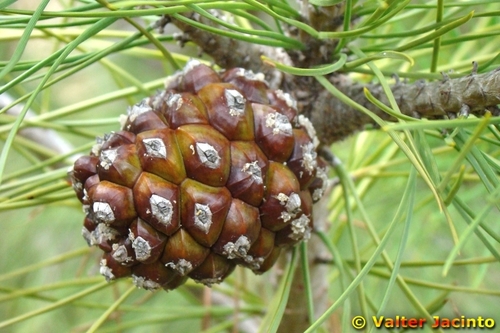
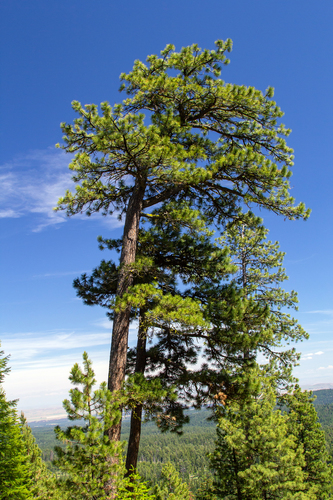
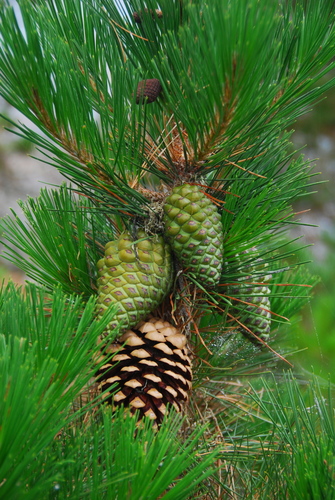
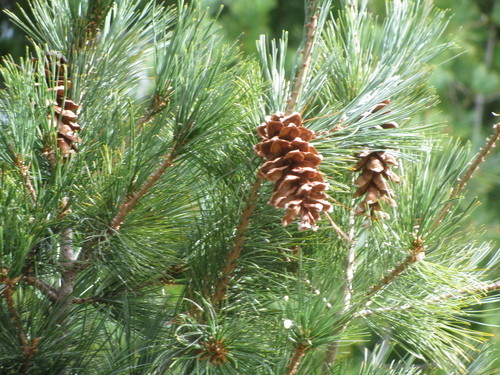
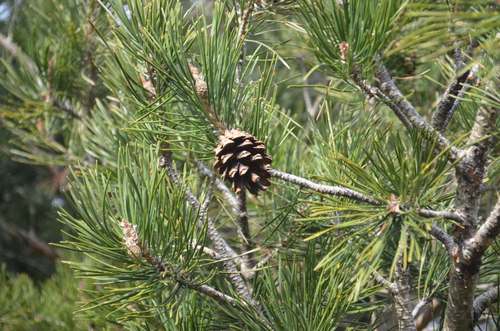
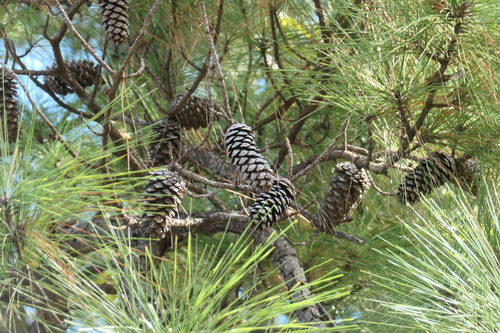
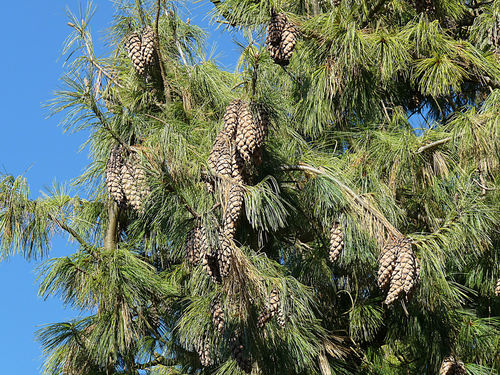
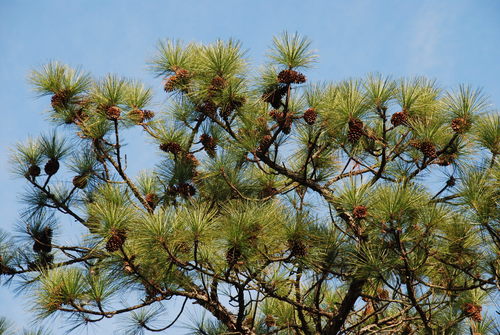
Pine trees, commonly referred to simply as Pines, are a diverse genus of coniferous trees in the family Pinaceae. Known for their needle-like leaves and woody cones, Pines are evergreen trees that play significant ecological and economic roles. There are over 120 species of Pines, each adapted to a variety of climates and conditions.

Habitat naturale
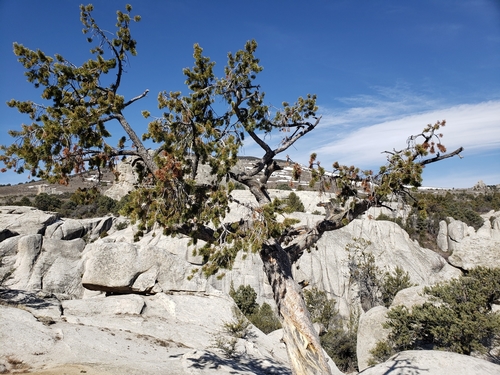
Pine trees are native to many regions across the Northern Hemisphere, including North America, Europe, and Asia. They thrive in a variety of habitats, from coastal areas to mountainous regions. Pines are highly adaptable and can grow in diverse soil types, though they prefer well-drained, sandy soils.
Storia e cultura
Pine trees have been significant to various cultures throughout history. They have been used for their timber, resin, and as a source of food. Pine nuts are edible seeds from certain species, and Pine resin has been used in traditional medicine and as a sealant. In many cultures, Pine trees symbolize longevity and resilience.
Utilizzi
Pine trees are widely cultivated for their timber, which is used in construction, furniture-making, and paper production. Pines are also popular as ornamental trees in landscapes and gardens. Their evergreen foliage makes them a staple in holiday decorations, particularly as Christmas trees.
Conservazione
While many Pine species are abundant and widely distributed, some are considered vulnerable or endangered due to habitat loss, climate change, and disease. Conservation efforts are crucial to protect these species and maintain their ecological roles in their native habitats.
Pinus aristata
Pinus aristata
Pinus contorta
Pinus contorta
Pinus flexilis
Pinus flexilis
Pinus jeffreyi
Pinus jeffreyi
Pinus nigra
Pinus nigra
Pinus pinea
Pinus pinea
Pinus ponderosa
Pinus ponderosa
Pinus radiata
Pinus radiata
Pinus strobus
Pinus strobus
Pinus sylvestris
Pinus sylvestris
Pinus taeda
Pinus taeda
Pinus wallichiana
Pinus wallichiana
Luce

Norfolk Island Pine (Araucaria heterophylla) — the most common 'indoor pine' — needs the maximum bright light available indoors, ideally near a large south- or east-facing window with several hours of direct sun. Insufficient light causes the lower branches to drop and the plant to become lopsided. True pines are unsuited to indoor growing long-term.

Acqua

Keep the soil evenly moist during the growing season (spring–summer), allowing only the top 1–2 cm to dry between waterings. In winter, reduce watering but never let the root ball dry out completely. Norfolk Island Pine is sensitive to overwatering — ensure excellent drainage.

Substrato

Use a well-draining, slightly acidic potting mix (pH 4.5–6.0) — similar to what you'd use for a conifer outdoors. Add perlite and a small amount of coarse bark for aeration.

Temperatura e umidità

Optimal 18–25 °C during the growing season; prefers slightly cooler conditions (10–15 °C) in winter. Moderate to high humidity is important — dry, heated indoor air causes needle browning and branch drop. Mist regularly or use a humidifier.

Concimazione

Feed monthly during spring and summer with a balanced fertilizer or a conifer-specific formulation. Do not fertilize in autumn or winter.

Potatura

Never prune the central growing tip — this is the apical meristem and its removal permanently deforms the tree. Trim only dead or damaged branches. Rotate regularly for even light distribution. Norfolk Island Pine grows slowly — 30–60 cm per year in good conditions.

Semina

The most common method for propagating Pines is by seed. Collect seeds from mature cones in late summer or fall.

1
Extract seeds from cones and allow them to dry.
2
Stratify seeds by placing them in a moist, cold environment (e.g., refrigerator) for several weeks to simulate winter conditions.
3
Sow seeds in well-draining soil and cover lightly.
4
Keep the soil moist and provide plenty of light.
5
Transplant seedlings to larger pots or outdoor locations once they have established strong roots.
Talea

Some Pine species can be propagated from cuttings, though this method is less common and more challenging.

1
Take cuttings from healthy, young branches in late summer.
2
Dip cuttings in rooting hormone to encourage root development.
3
Plant cuttings in a well-draining soil mix and keep them moist.
4
Provide indirect light and maintain high humidity until roots develop.
Why are my pine's lower branches dropping?
Branch drop on Norfolk Island Pine is almost always caused by insufficient light or overly dry conditions. Move to a brighter position and increase humidity. Once branches drop they do not regrow.
Can I keep a real pine tree indoors?
True pines (Pinus spp.) are outdoor trees unsuited to indoor environments long-term. They need cold winters and high light. Norfolk Island Pine (Araucaria heterophylla) is the practical indoor substitute — it is not a true pine but resembles one.
Why are my Norfolk Pine needles turning brown?
Brown needles indicate dry air, inconsistent watering or cold drafts. Increase humidity to 50%+, water more consistently and move away from cold windows and heating vents.