Rhaphidophora
Araceae

Rhaphidophora

Monstera
RegnoPlantae
SottoregnoTracheobionta
SuperdivisioneSpermatophyta
DivisioneMagnoliophyta
ClasseLiliopsida
OrdineAlismatales
FamigliaAraceae
SottofamigliaMonsteroideae
GenereRhaphidophora
Luce
Medium high
Acqua
Medium high
Specie
7

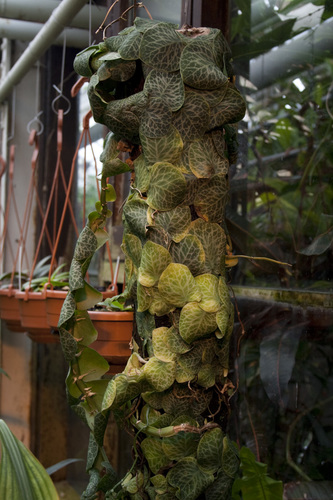
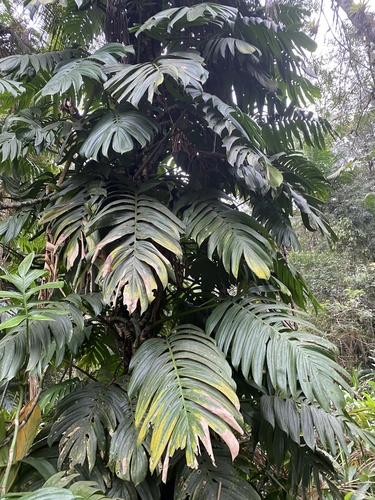
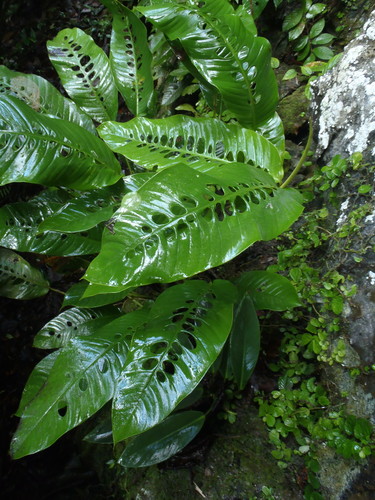
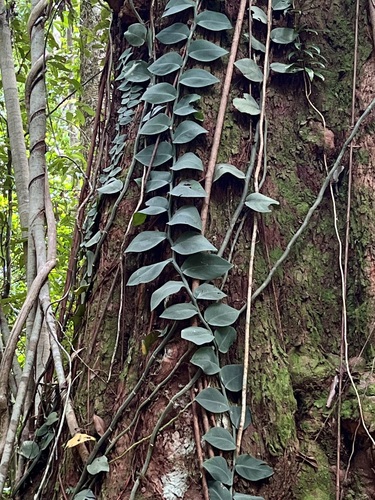
Rhaphidophora, commonly referred to as the Monstera, is a fascinating genus of tropical plants known for their unique and captivating foliage. The genus includes several species, each with distinct leaf shapes, sizes, and growth habits. Rhaphidophora plants are prized for their ornamental value and are popular both as houseplants and garden specimens.

Habitat naturale
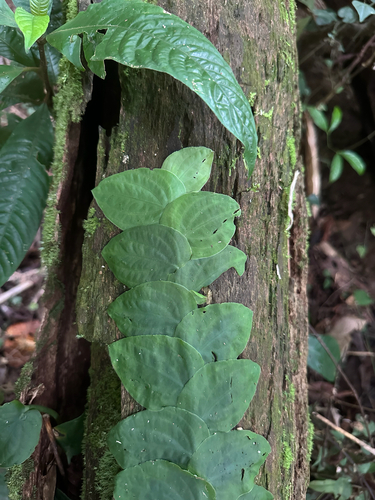
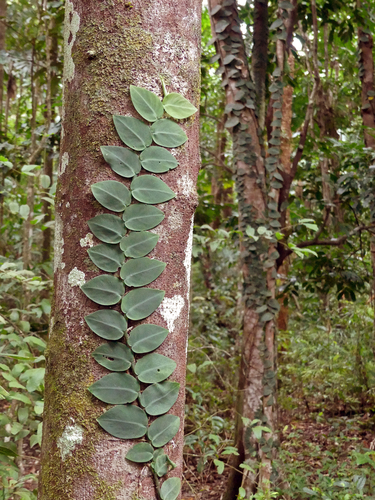
Rhaphidophora species originate from tropical regions of Southeast Asia, New Guinea, and the Western Pacific. They thrive in humid environments, often found in rainforests and along stream banks. These plants typically grow as epiphytes or climbers, attaching themselves to trees or rocks for support. The natural habitat of Rhaphidophora plants is characterized by high humidity, warm temperatures, and rich, well-draining soil.
Storia e cultura
Rhaphidophora plants have a rich cultural history in their native regions. In many cultures, they are considered symbols of prosperity and good fortune. The striking leaves of some species, such as Rhaphidophora tetrasperma, have become popular in modern interior design, adding a tropical and exotic touch to homes and offices.
Utilizzi
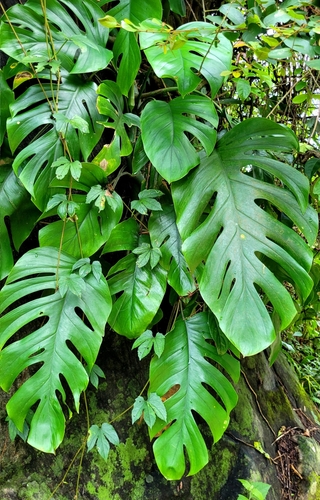
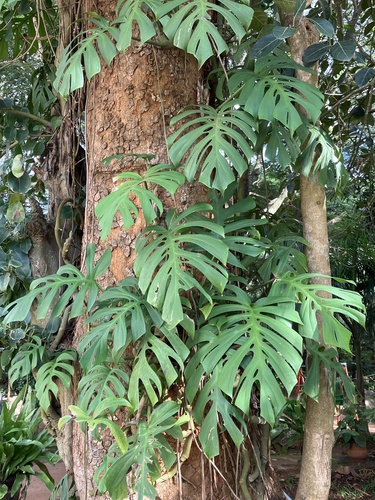
In modern times, Rhaphidophora plants are primarily grown for their ornamental value. Their unique foliage makes them popular choices for interior decoration and landscape design. The wide variety of species and cultivars available allows for diverse aesthetic applications, from the large, fenestrated leaves of Rhaphidophora decursiva to the smaller, split leaves of Rhaphidophora tetrasperma.
Conservazione
While many Rhaphidophora species are commonly cultivated, some are considered rare or endangered in their natural habitats due to habitat destruction and over-harvesting. Conservation efforts are important to preserve the genetic diversity and ecological roles of these plants in their native regions.
Rhaphidophora cryptantha
Rhaphidophora decursiva
Rhaphidophora foraminifera
Rhaphidophora hayi
Rhaphidophora hayi
Rhaphidophora korthalsii
Rhaphidophora pertusa
Rhaphidophora tetrasperma
Luce

Bright indirect light is ideal — Rhaphidophora produces its best, most divided leaves near a bright window. Tolerates medium light but fenestration decreases and leaf size reduces. Avoid direct intense sun. Very similar requirements to Monstera, to which it is closely related.

Acqua

Allow the top 3–4 cm of soil to dry between waterings, then water thoroughly. Rhaphidophora is susceptible to root rot if overwatered but also droops rapidly when too dry. The large, fenestrated leaves lose moisture quickly — check the soil every 3–4 days in warm weather.

Substrato

Chunky, well-draining mix: 40% potting compost, 30% perlite, 30% orchid bark. Root aeration is important for this climbing epiphyte.

Temperatura e umidità

Optimal 18–27 °C; minimum 13 °C. Moderate to high humidity (50–70%) promotes larger, more fenestrated leaves. Standard indoor humidity is adequate for survival.

Concimazione

Feed monthly during spring and summer with a balanced liquid fertilizer. Reduce in autumn, stop in winter.

Potatura

Provide a moss pole or rough stake to climb — like Monstera, Rhaphidophora produces larger, more mature fenestrated leaves when it can climb upward. Keep the pole moist for aerial root attachment. Rhaphidophora tetrasperma (Mini Monstera) is the most commonly sold species — it grows vigorously and may need regular trimming. Contains calcium oxalate — toxic to pets.

Talea

The most common method for propagating Rhaphidophora is by stem cuttings. This involves cutting a section of the stem with at least one node and rooting it in water or soil.

1
Use a sharp, sterilized knife to cut a section of the stem just below a node.
2
Place the cutting in water or directly into a well-draining potting mix.
3
If using water, change it regularly to prevent stagnation. Once roots develop, transfer the cutting to soil.
4
Keep the cutting in a warm, humid environment with indirect light until it establishes roots.
Propaggine

Another method for propagating Rhaphidophora is air layering, which encourages roots to form on a stem while it is still attached to the parent plant.

1
Choose a healthy section of the stem and make a small cut or wound just below a node.
2
Wrap the cut area with moist sphagnum moss and cover it with plastic wrap to retain moisture.
3
Secure the plastic wrap with ties or tape, ensuring the moss stays moist.
4
Once roots develop, cut the stem below the new root growth and plant it in soil.
What is the difference between Rhaphidophora tetrasperma and Monstera?
They are different genera despite looking similar. Rhaphidophora tetrasperma has smaller leaves (15–20 cm) with split lobes but no holes, grows faster, and is easier to care for. True Monstera deliciosa has much larger leaves (can exceed 60 cm indoors) with both holes and splits, and grows more slowly.
Why doesn't my Rhaphidophora have split leaves?
Young plants produce uncut juvenile leaves. Fenestrations develop as the plant matures and receives adequate light. Providing a moss pole to climb dramatically accelerates the development of adult, split foliage.
My Rhaphidophora is growing very fast and getting too long — can I prune it?
Yes — prune above any node and the stem will branch from that point. Cuttings root easily in water. Regular pruning keeps the plant manageable and bushy.