Scindapsus
Araceae

Scindapsus

Satin Pothos
RegnoPlantae
SottoregnoTracheobionta
SuperdivisioneSpermatophyta
DivisioneMagnoliophyta
ClasseLiliopsida
OrdineAlismatales
FamigliaAraceae
SottofamigliaMonsteroideae
GenereScindapsus
Luce
Low
Acqua
Low
Specie
3

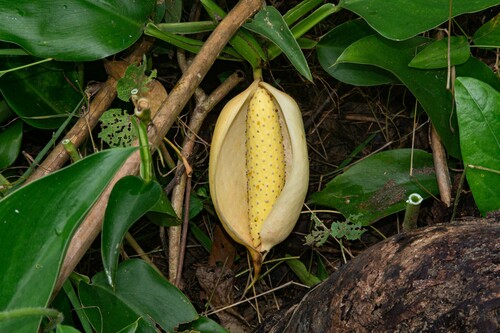
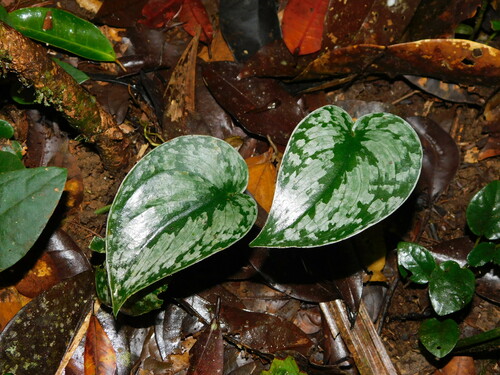
Scindapsus, commonly referred to as Satin Pothos or Silver Pothos, is a popular genus of tropical plants known for their attractive, variegated foliage. This genus includes several species, each featuring unique leaf patterns and textures. Scindapsus plants are favored for their ornamental appeal and ease of care, making them excellent choices for both novice and experienced plant enthusiasts.

Habitat naturale
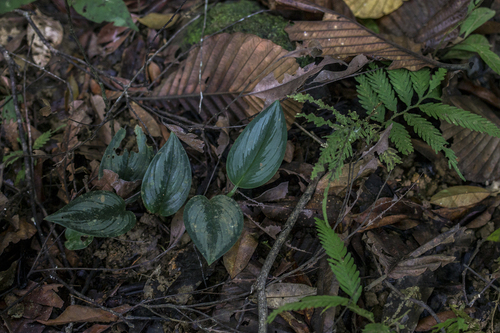
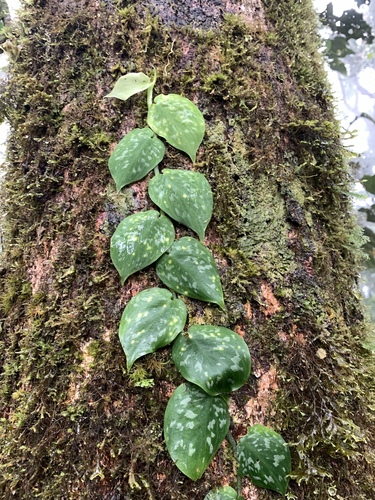
Scindapsus species are native to the tropical regions of Southeast Asia, including Malaysia, Thailand, and the Philippines. They thrive in humid environments, often found climbing trees or trailing along the forest floor. These plants typically grow in the understory of rainforests, where they receive filtered sunlight. The natural habitat of Scindapsus plants is characterized by high humidity, warm temperatures, and rich, well-draining soil.
Storia e cultura
Scindapsus plants have been admired for their ornamental foliage for centuries. In their native regions, they are often used in traditional medicine and are believed to bring good luck and prosperity. The striking variegation of their leaves makes them popular in decorative arrangements and as houseplants.
Utilizzi
In modern times, Scindapsus plants are primarily grown for their aesthetic appeal. Their attractive, heart-shaped leaves with silvery patterns make them popular choices for interior decoration. They are versatile plants that can be grown in hanging baskets, as climbers, or as trailing plants. Their easy-care nature and adaptability make them suitable for a variety of indoor environments.
Conservazione
While many Scindapsus species are commonly cultivated, some may be threatened in their natural habitats due to deforestation and habitat loss. Conservation efforts are essential to preserve the genetic diversity and ecological roles of these plants in their native regions.
Scindapsus officinalis
Scindapsus pictus
Scindapsus pictus
6 cultivar
Scindapsus treubii
Scindapsus treubii
2 cultivar
Luce

Bright to medium indirect light is ideal for maintaining the distinctive silver markings on Scindapsus pictus. Tolerates lower light but the metallic patterning fades significantly. Avoid direct sun, which bleaches the leaves. Very similar to Pothos in requirements but somewhat more light-demanding for its silver variegation.

Acqua

Allow the soil to dry out almost completely between waterings — Scindapsus is drought-tolerant and much more tolerant of underwatering than overwatering. Water thoroughly, then wait until the leaves feel slightly softer (a subtle wilt signal) before rewatering. Root rot from overwatering is the most common problem.

Substrato

Well-draining mix with plenty of perlite (50:50 potting compost and perlite). The root system prefers good aeration and fast-draining conditions.

Temperatura e umidità

Optimal 18–27 °C; minimum 13 °C. Moderate humidity is adequate — Scindapsus is more tolerant of dry air than Calathea or ferns.

Concimazione

Feed monthly during spring and summer with a balanced liquid fertilizer at half strength. No feeding in autumn or winter.

Potatura

Prune to control length and encourage bushiness — cut above a node and the stem will branch. Cuttings root easily in water or moist mix. Provide a moss pole or trellis for climbing — Scindapsus produces larger leaves when it can attach aerial roots and climb.

Talea

The most common method for propagating Scindapsus is by stem cuttings. This method is straightforward and can be done at any time of the year.

1
Cut a healthy stem just below a node, ensuring it has at least one or two leaves.
2
Place the cutting in water or a well-draining potting mix.
3
If rooting in water, change the water every few days. If using soil, keep it moist.
4
Once roots develop, transfer the cutting to a pot with well-draining soil and place it in bright, indirect light.
Why is my Scindapsus losing its silver pattern?
Insufficient light causes the silver markings to fade. Move to a brighter position with bright indirect light. The silver sheen is produced by air pockets between cell layers — it is a fixed characteristic that reappears in new growth under good light.
How is Scindapsus different from Pothos?
Despite looking similar and being commonly confused, they are different genera. Scindapsus has thicker, more velvety leaves with a distinctive metallic sheen, grows more slowly, and is more drought-tolerant. Pothos (Epipremnum) has thinner, glossier leaves and wider variegation patterns.
Why are my Scindapsus leaves yellowing?
Yellow leaves on Scindapsus almost always indicate overwatering. Allow the soil to dry out much more thoroughly between waterings. The plant should feel significantly lighter before you water again.