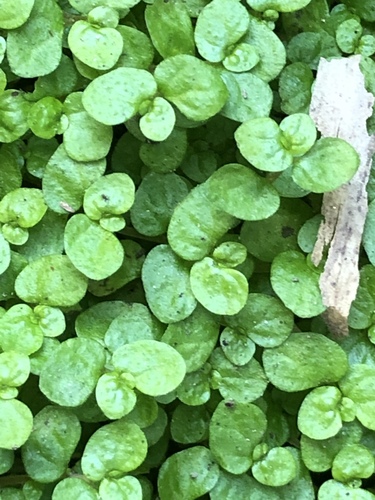
Soleirolia
| Regno | Plantae |
| Sottoregno | Tracheobionta |
| Superdivisione | Spermatophyta |
| Divisione | Magnoliophyta |
| Classe | Magnoliopsida |
| Ordine | Rosales |
| Famiglia | Urticaceae |
| Genere | Soleirolia |
La soleirolia, detta anche elxine o lacrime d'angelo, è un grazioso genere di piante striscianti dalle foglie minuscole, famose per il tappeto rigoglioso simile al muschio. Il genere comprende una sola specie, Soleirolia soleirolii, apprezzata per il fogliame delicato e il portamento tappezzante. È molto diffusa come pianta da appartamento, come riempitivo nei terrari e nei giardini in miniatura.
Specie e varietà (1)

Guida alla cura
Luce
La soleirolia (elxine, lacrime d'angelo) prospera con luce indiretta da intensa a media. Tollera la poca luce meglio della maggior parte delle piante tropicali: basta una finestra esposta a nord. Il sole diretto brucia in fretta le foglioline delicate. È ideale per i terrari e per il bagno.
Acqua
La soleirolia ha bisogno di un terriccio sempre umido e non deve mai asciugarsi: anche un breve periodo all'asciutto fa seccare molti dei suoi fusti delicati. Annaffiarla spesso (con il caldo anche tutti i giorni) con acqua a temperatura ambiente. Serve però anche un ottimo drenaggio per evitare i ristagni. È ideale per i vasi autoirriganti.
Substrato
Substrato che trattenga l'umidità ma ben drenante: 60% torba o fibra di cocco, 40% perlite. Le radici sottili e superficiali preferiscono un terriccio soffice e aerato.
Temperatura e umidità
Ideale 13-24 °C; tollera temperature un po' più fresche. L'UMIDITÀ ALTA è fondamentale: la soleirolia è una delle piante da appartamento più esigenti in fatto di umidità e soffre visibilmente l'aria secca. Bagno, cucina o terrario offrono condizioni ideali; le normali stanze riscaldate sono spesso troppo secche senza un'umidificazione aggiuntiva.
Concimazione
Concimare una volta al mese in primavera ed estate con un concime liquido bilanciato a un quarto della dose. Concimare solo leggermente: il troppo concime fa ingiallire e seccare la pianta.
Potatura
Non serve potarla. Eliminare con le forbici le parti secche o marroni. La soleirolia si allarga in fretta e si può dividere in qualsiasi momento per moltiplicarla: basta separarne delle porzioni e ripiantarle subito in terriccio umido. È un ottimo tappezzante per i terrari.
Propagazione
Divisione
Il metodo più facile è dividere i tappeti ben sviluppati in porzioni, ognuna con radici e fusti.
Talea
I fusti ricadenti radicano in fretta in acqua o nel terriccio.