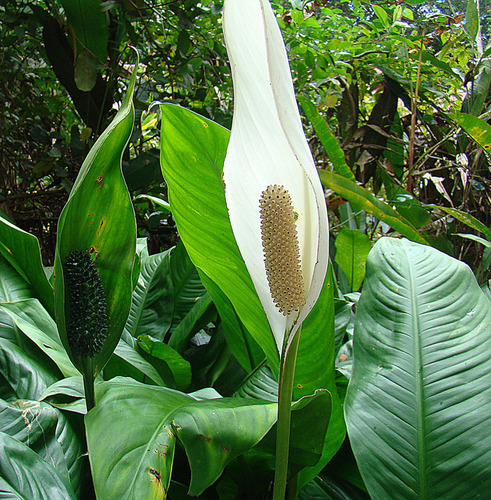
Spathiphyllum
| Regno | Plantae |
| Sottoregno | Tracheobionta |
| Superdivisione | Spermatophyta |
| Divisione | Magnoliophyta |
| Classe | Liliopsida |
| Ordine | Alismatales |
| Famiglia | Araceae |
| Sottofamiglia | Monsteroideae |
| Genere | Spathiphyllum |
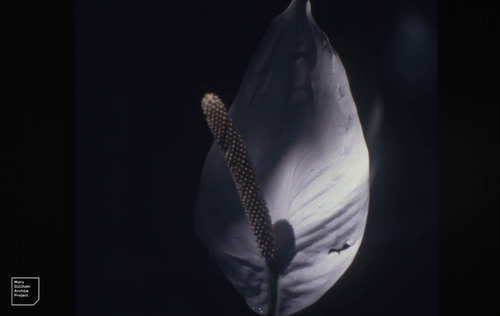
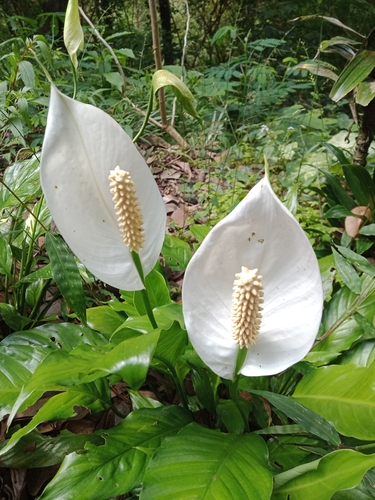
Lo spatifillo (Spathiphyllum), detto anche giglio della pace, è un genere molto diffuso di piante da fiore, famoso per il fogliame attraente e le vistose spate bianche. È molto amato perché prospera in casa con poche cure e si coltiva comunemente come pianta da appartamento per la sua bellezza e per le qualità depurative che gli vengono attribuite.
Specie e varietà (2)
Guida alla cura
Luce
È una delle piante da fiore da appartamento che tollerano meglio la poca luce: lo spatifillo sopravvive anche in posizioni piuttosto buie, ma fiorisce solo con luce indiretta da media a intensa. Un posto a 2-3 metri da una finestra va bene per il fogliame; per la fioritura avvicinarlo alla finestra. Non esporlo mai al sole diretto, che brucia le foglie in fretta.
Acqua
Lo spatifillo segnala la sete in modo inequivocabile: quando ha bisogno d'acqua le foglie si afflosciano vistosamente. È un segnale affidabile: intervenendo entro poche ore, la pianta si riprende completamente entro 30 minuti dall'annaffiatura. Meglio però annaffiare prima di arrivare a questo punto. Mantenere il terriccio moderatamente umido e annaffiare quando i primi 2-3 cm sono asciutti. Non lasciarlo mai con l'acqua nel sottovaso. È sensibile al fluoro: se le punte delle foglie diventano marroni, usare acqua piovana o filtrata.
Substrato
Terriccio universale con aggiunta di perlite (3:1), che trattenga l'umidità ma dreni bene. Ideale un pH leggermente acido (5,5-6,5).
Temperatura e umidità
Ideale 18-27 °C; minimo 13 °C. È sensibile alle correnti fredde e all'aria condizionata, che causano striature gialle o marroni sulle foglie. Un'umidità da moderata ad alta (50-60%) favorisce un fogliame più sano e lucido.
Concimazione
Concimare una volta al mese in primavera ed estate con un concime liquido bilanciato a metà dose. Non eccedere: il troppo concime fa seccare le punte delle foglie e impedisce la fioritura.
Potatura
Quando i fiori appassiti diventano verdi e poi marroni, tagliarli alla base insieme allo stelo. Tagliare alla base anche le foglie gialle. Allo spatifillo si attribuisce la capacità di ripulire l'aria di casa dagli inquinanti più comuni. ⚠️ Tossico: tutte le parti contengono ossalato di calcio, nocivo per gatti, cani e persone se ingerito. Tenerlo lontano dagli animali.
Propagazione
Divisione
Il metodo più comune per moltiplicare lo spatifillo è la divisione, che consiste nel separare i rizomi al momento del rinvaso. Assicurarsi prima che la pianta madre sia sana.
Polloni/figli
Alcune specie di spatifillo producono polloni, che si possono separare dalla pianta madre e invasare singolarmente.