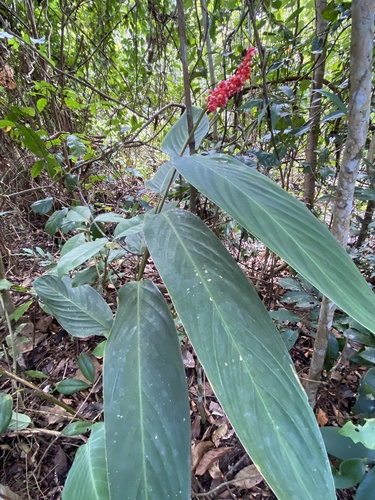
Stromanthe
| Regno | Plantae |
| Sottoregno | Tracheobionta |
| Superdivisione | Spermatophyta |
| Divisione | Magnoliophyta |
| Classe | Liliopsida |
| Ordine | Zingiberales |
| Famiglia | Marantaceae |
| Sottofamiglia | Marantoideae |
| Genere | Stromanthe |
Stromanthe è un genere di piante tropicali di grande effetto, noto per il fogliame vivace e colorato. Appartiene alla famiglia Marantaceae ed è strettamente imparentato con Calathea e Maranta. Con le foglie appariscenti e i disegni particolari, le stromanthe sono molto diffuse come piante ornamentali da appartamento.
Specie e varietà (2)
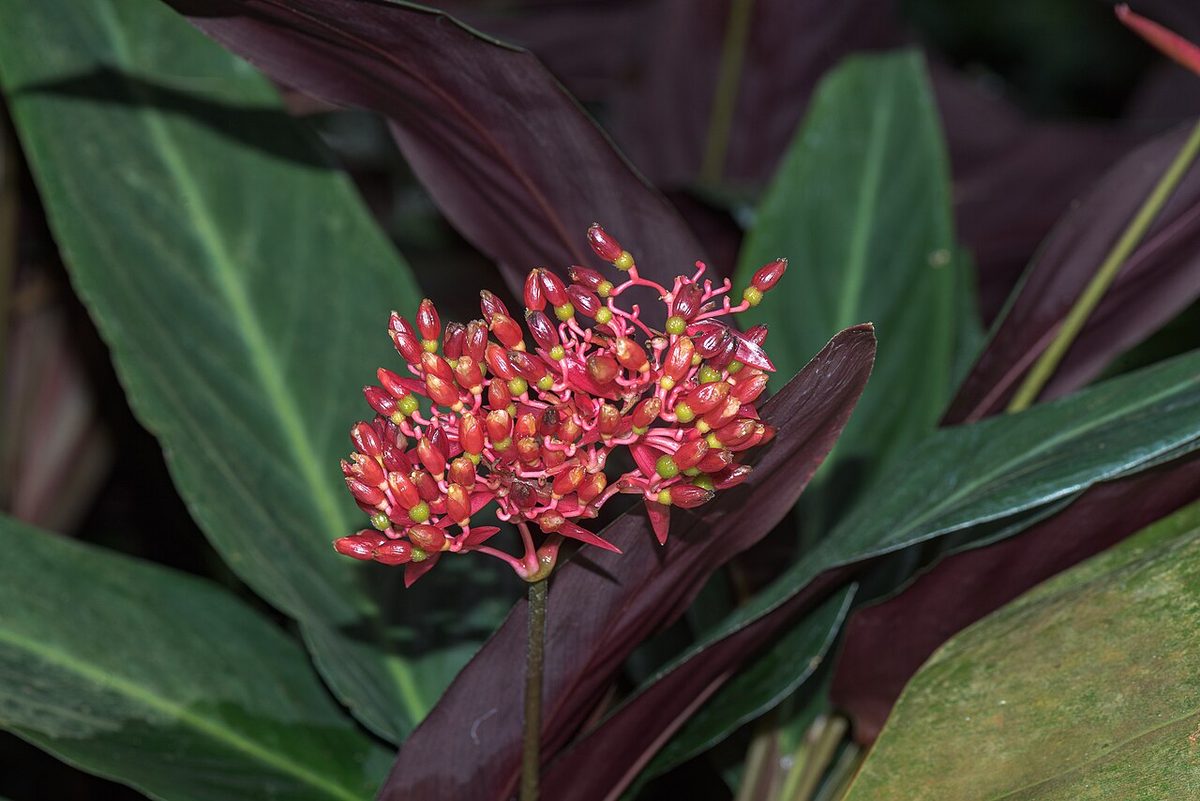
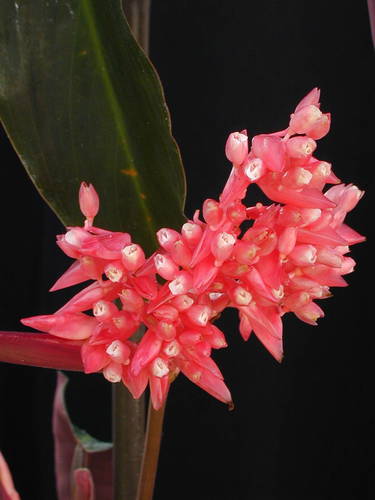
Guida alla cura
Luce
La luce intensa indiretta è l'ideale per mantenere le vivaci variegature rosa, crema e verdi tipiche di Stromanthe sanguinea 'Triostar'. Evitare il sole diretto, che scolorisce le foglie. Tollera la luce media, ma la colorazione rosa sbiadisce molto. Le esigenze sono simili a quelle di Calathea e Maranta.
Acqua
Mantenere il terriccio costantemente umido, lasciando asciugare solo il primo o i primi 2 cm tra un'annaffiatura e l'altra. Come tutte le Marantaceae, la stromanthe è estremamente sensibile al fluoro e al cloro dell'acqua del rubinetto, che fanno diventare marroni margini e punte delle foglie. Usare sempre acqua piovana, distillata o del rubinetto lasciata riposare una notte. Ridurre un po' le annaffiature in inverno.
Substrato
Substrato che trattenga l'umidità ma ben drenante: 60% torba o fibra di cocco, 20% perlite, 20% bark fine. pH leggermente acido (5,5-6,5).
Temperatura e umidità
Ideale 18-27 °C; minimo 15 °C. Un'umidità alta (60-80%) è indispensabile: l'aria secca fa diventare marroni in fretta i bei margini delle foglie. Raggrupparla con altre piante, usare un sottovaso con ciottoli e acqua o un umidificatore. Evitare le correnti fredde e l'aria condizionata.
Concimazione
Concimare ogni 2-3 settimane in primavera ed estate con un concime bilanciato a metà dose. Non eccedere: le radici delicate si bruciano facilmente.
Potatura
Eliminare alla base le foglie rovinate o completamente secche. Come maranta e ctenanthe, la stromanthe compie movimenti nictinastici: di notte le foglie si ripiegano verso l'alto e di giorno si riaprono. È un segno di buona salute. La pagina inferiore delle foglie è rosso bordeaux intenso: sistemare la pianta in modo che si vedano entrambi i lati, per il massimo effetto.
Propagazione
Divisione
Il metodo più comune per moltiplicare la stromanthe è la divisione, che consiste nel separare rizomi o tuberi al momento del rinvaso. Assicurarsi prima che la pianta madre sia sana.
Polloni/figli
Alcune specie di stromanthe producono polloni, che si possono separare dalla pianta madre e invasare singolarmente.