Syngonium
Araceae

Syngonium

Arrowhead Plant
RegnoPlantae
SottoregnoTracheobionta
SuperdivisioneSpermatophyta
DivisioneMagnoliophyta
ClasseLiliopsida
OrdineAlismatales
FamigliaAraceae
SottofamigliaAroideae
GenereSyngonium
Luce
Low
Acqua
Medium high
Specie
5

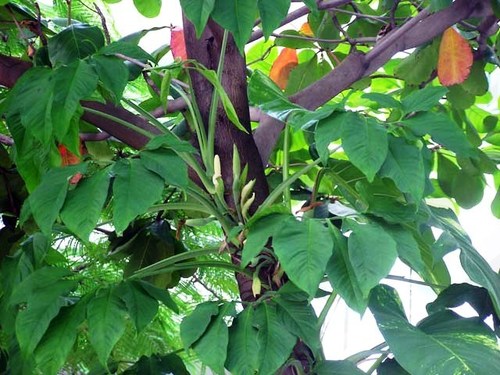
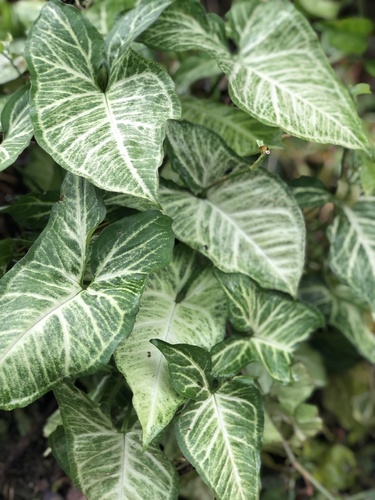
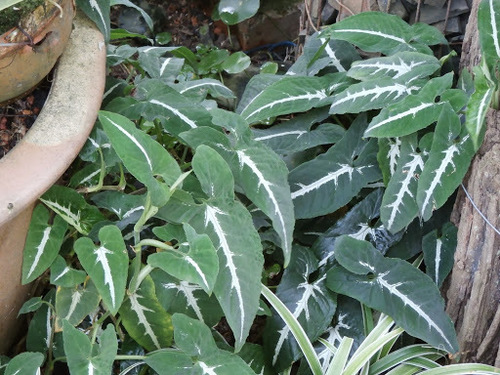
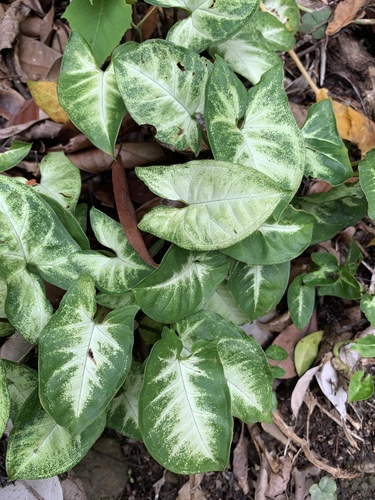
Syngonium, commonly referred to as Arrowhead Plant or Goosefoot Plant, is a versatile genus of tropical and subtropical plants celebrated for their attractive foliage. The genus includes about 36 species, each showcasing unique leaf shapes, sizes, and colors. Syngonium plants are cherished for their ornamental value and adaptability, making them popular choices for both houseplants and garden specimens.

Habitat naturale
Syngonium species are native to tropical rainforests of Central and South America. They thrive in humid, shaded environments and are often found climbing trees or spreading along the forest floor. The natural habitat of Syngonium plants is characterized by high humidity, warm temperatures, and rich, well-draining soil.
Storia e cultura
Syngonium plants have a long history in their native regions, often associated with various cultural practices and beliefs. In some cultures, they are considered symbols of protection and good fortune. Their easy growth and low maintenance have made them a staple in households around the world.
Utilizzi
In contemporary times, Syngonium plants are primarily grown for their decorative appeal. Their striking foliage and adaptability make them popular for interior decoration and landscaping. The wide range of species and cultivars available offers diverse aesthetic options, from the classic green leaves of Syngonium podophyllum to the variegated patterns of Syngonium 'White Butterfly'.
Conservazione
While many Syngonium species are widely cultivated, some are rare or endangered in their natural habitats due to deforestation and habitat loss. Conservation efforts are essential to preserve the genetic diversity and ecological roles of these plants in their native regions.
Syngonium hybrid
10 cultivar
Syngonium macrophyllum
Syngonium podophyllum
Syngonium rayii
Syngonium wendlandii
Luce

Bright to moderate indirect light suits Syngonium well. Tolerates lower light but variegated forms (pink, white) lose their colouring and revert to green in shade. Avoid direct sun, which scorches the arrowhead-shaped leaves. The variegation intensity is directly correlated with light level.

Acqua

Allow the top 2–3 cm to dry between waterings, then water thoroughly. Syngonium prefers consistent moisture — it wilts noticeably when dry but recovers quickly. Reduce watering in winter. Overwatering causes yellowing leaves and root rot; underwatering causes wilting and brown leaf tips.

Substrato

Well-draining potting mix with added perlite (3:1). Good drainage prevents root rot in this vigorous grower.

Temperatura e umidità

Optimal 18–27 °C; minimum 13 °C. Moderate to high humidity (50–60%) promotes lush growth and prevents brown leaf edges. Standard indoor humidity is adequate.

Concimazione

Feed every 2 weeks during spring and summer with a balanced liquid fertilizer at half strength. Reduce to monthly in autumn, stop in winter.

Potatura

Prune regularly to maintain compact, bushy growth — Syngonium naturally vines as it matures. Young plants produce compact, lobed arrowhead leaves; older plants develop more complex, divided leaves and a climbing habit. Provide a moss pole for climbing forms. Contains calcium oxalate — toxic to pets and irritating to human skin.

Divisione

The most common method for propagating Syngonium is by division. This involves separating the root clumps during repotting. Ensure the parent plant is healthy before proceeding.

1
Carefully remove the plant from its pot and gently shake off excess soil to expose the roots.
2
Locate natural divisions in the root ball where new shoots are emerging.
3
Use a sharp, sterilized knife to cut the root clumps, ensuring each division has at least one shoot and some roots.
4
Plant each division in a separate pot with a well-draining potting mix, water thoroughly, and place in bright, indirect light.
Talea

Syngonium can also be propagated from stem cuttings.

1
Cut a healthy stem just below a node with at least one or two leaves attached.
2
Place the cutting in water or directly into a pot with well-draining soil.
3
Keep in a warm, humid environment with indirect light until roots develop.
Why is my pink Syngonium turning green?
Pink and variegated Syngoniums revert to green in insufficient light. Move to a brighter position with bright indirect light. The pink pigmentation requires adequate light to be produced and maintained.
My Syngonium has started to vine and looks different — is it normal?
Yes — Syngonium has two distinct growth phases. Young plants produce compact, undivided arrowhead leaves. As the plant matures, it develops a climbing habit with more complex, multi-lobed leaves. Providing a moss pole encourages the adult leaf form.
Is Syngonium toxic?
Yes. Syngonium contains calcium oxalate crystals that cause burning and swelling of the mouth and throat if ingested, and skin irritation with sap contact. Keep away from cats, dogs and young children.