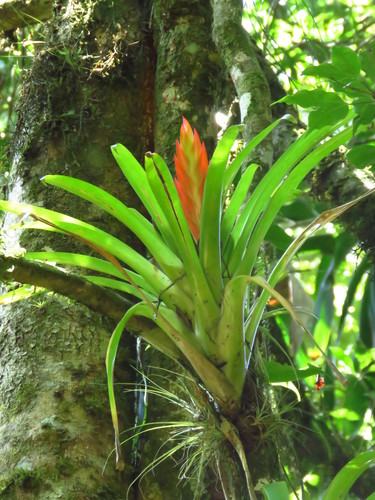
Tillandsia
| Regno | Plantae |
| Sottoregno | Tracheobionta |
| Superdivisione | Spermatophyta |
| Divisione | Magnoliophyta |
| Classe | Liliopsida |
| Ordine | Poales |
| Famiglia | Bromeliaceae |
| Sottofamiglia | Tillandsioideae |
| Genere | Tillandsia |
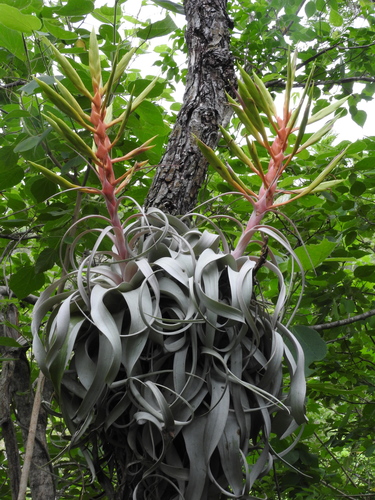
La tillandsia, detta anche pianta dell'aria, è una pianta unica e affascinante, famosa per la capacità di vivere senza terra. Originaria delle foreste, delle montagne e dei deserti dell'America centrale e meridionale, è molto amata dagli appassionati per il suo aspetto particolare e le pochissime cure che richiede.
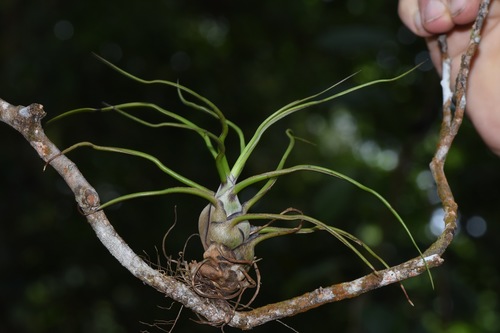
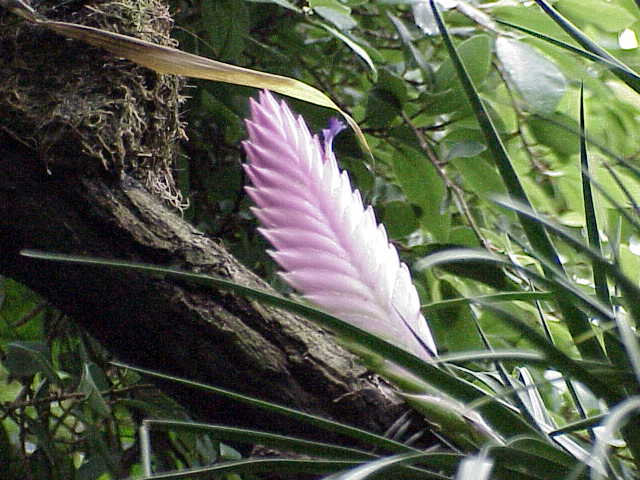
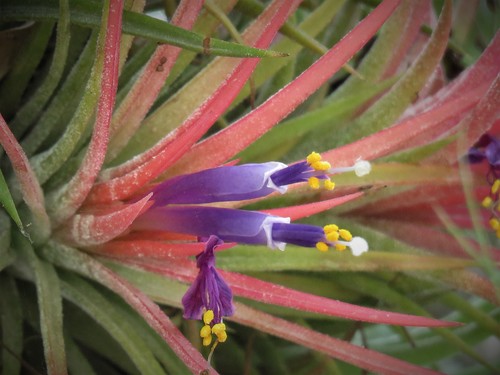
Specie e varietà (4)
Guida alla cura
Luce
L'ideale è la luce intensa indiretta: vicino a una finestra, ma al riparo dal sole diretto forte di mezzogiorno, che la disidrata in fretta. La tillandsia cattura la luce attraverso scaglie specializzate delle foglie (tricomi) e ha bisogno di una buona luce ambientale per la fotosintesi. Un po' di sole diretto al mattino le giova e ne intensifica i colori.
Acqua
La tillandsia non ha radici che assorbono acqua: tutta l'umidità viene assorbita dai tricomi (minuscole scaglie sulle foglie). Due possibilità: (1) IMMERSIONE: immergere tutta la pianta in acqua a temperatura ambiente per 20-30 minuti una volta alla settimana (o più spesso con il caldo secco). Poi scuoterla delicatamente e appenderla o metterla a testa in giù per 1-4 ore, perché l'acqua scoli completamente dalla base: l'acqua che ristagna al centro provoca marciumi. (2) NEBULIZZAZIONE: nebulizzarla abbondantemente 2-3 volte alla settimana, bagnando tutte le superfici delle foglie; dopo, una buona circolazione d'aria è indispensabile. Usare acqua piovana, di acquario o distillata: col tempo i sali minerali dell'acqua del rubinetto (soprattutto il calcio) intasano i tricomi e riducono la capacità della pianta di assorbire l'umidità.
Substrato
Non serve né è adatta la terra. Montarla su legno, corteccia di sughero, sassi o fil di ferro, oppure sistemarla in contenitori di vetro, conchiglie, legni di mare o terrari. Fare in modo che la base possa asciugarsi liberamente: qualsiasi superficie che trattenga umidità attorno alla base provoca marciumi.
Temperatura e umidità
Ideale 15-27 °C; minimo 7-10 °C per la maggior parte delle specie. Un'umidità da moderata ad alta (50-70%) riduce la frequenza delle bagnature. Una buona circolazione d'aria conta quanto l'umidità: l'aria umida e ferma favorisce i marciumi.
Concimazione
In primavera ed estate aggiungere all'acqua dell'immersione, una volta al mese, un concime per bromeliacee o orchidee a un quarto della dose. Non eccedere con il concime.
Potatura
Eliminare alla base le foglie esterne secche. Come tutte le bromeliacee, la tillandsia è monocarpica: produce una sola spiga fiorale (spesso dai colori spettacolari) e poi muore lentamente. I polloni che si formano alla base prima e dopo la fioritura sono la generazione successiva: staccarli quando sono grandi un terzo della madre.
Propagazione
Polloni/figli
Il metodo più comune per moltiplicare la tillandsia sono i polloni, piccole piante che si sviluppano alla base della pianta madre dopo la fioritura.
Semina
Coltivare la tillandsia da seme è meno comune e richiede pazienza: le piantine possono impiegare diversi anni a diventare adulte.