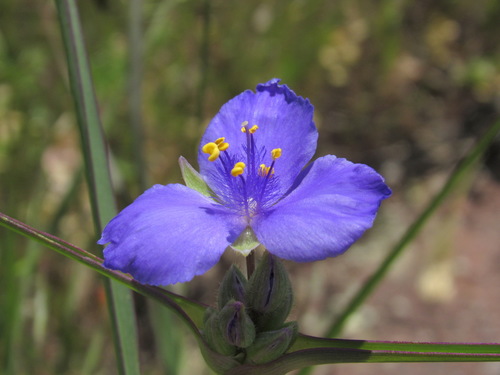
Tradescantia
| Regno | Plantae |
| Sottoregno | Tracheobionta |
| Superdivisione | Spermatophyta |
| Divisione | Magnoliophyta |
| Classe | Liliopsida |
| Ordine | Commelinales |
| Famiglia | Commelinaceae |
| Genere | Tradescantia |
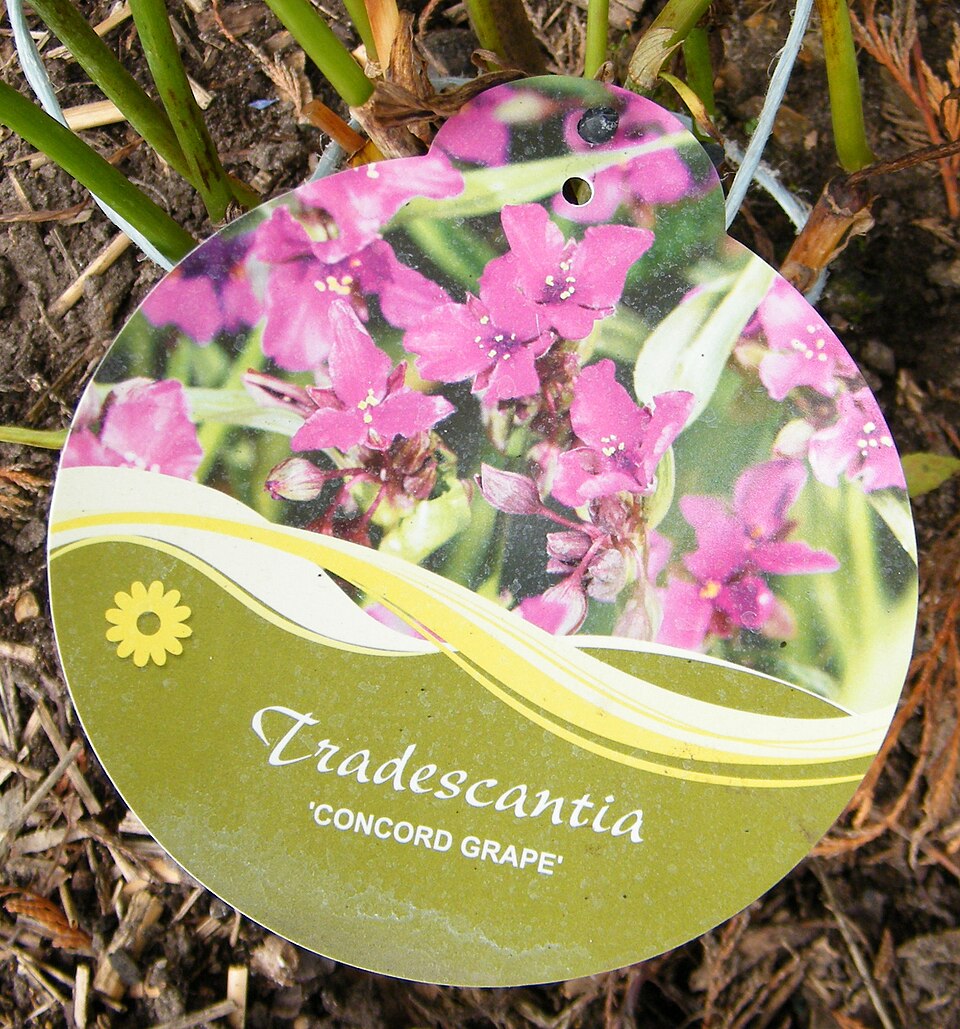
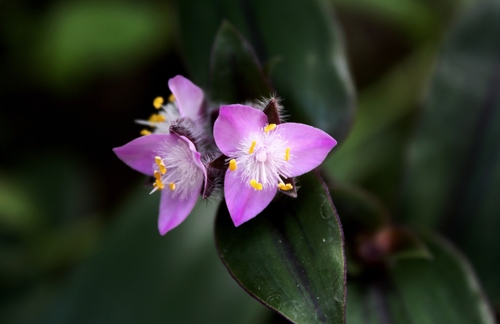
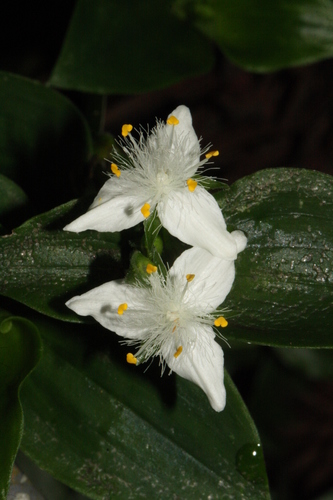
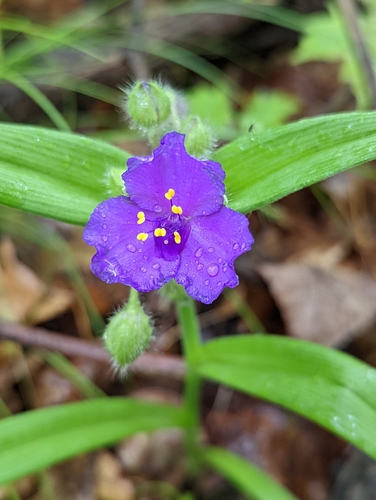
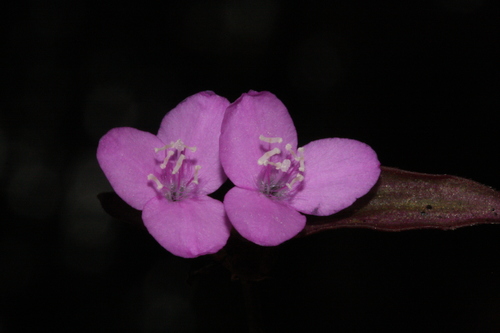
La tradescanzia (Tradescantia), detta anche erba miseria, è un grazioso genere di piante erbacee perenni famose per il fogliame dai colori vivaci e la facilità di coltivazione. Comprende circa 75 specie, ognuna con colori e disegni delle foglie particolari. Le tradescanzie sono amate per il valore ornamentale e diffuse sia come piante da appartamento sia in giardino.
Specie e varietà (10)
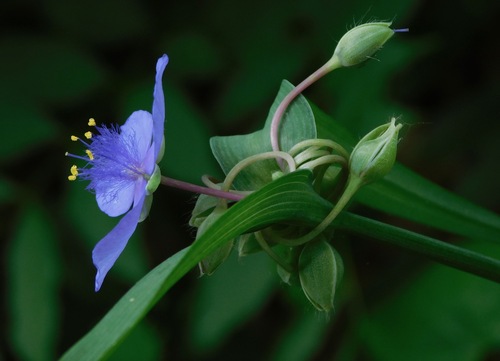
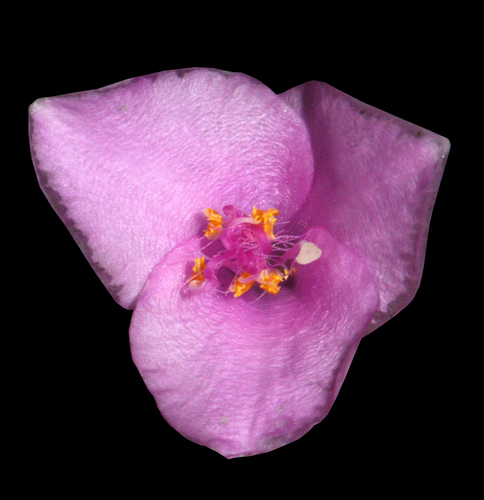
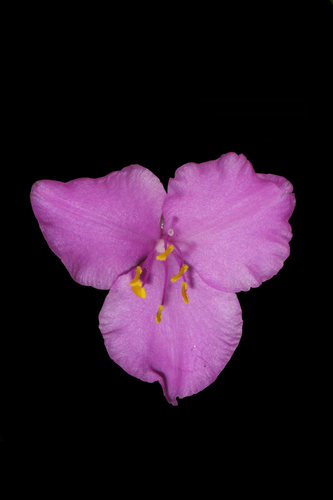
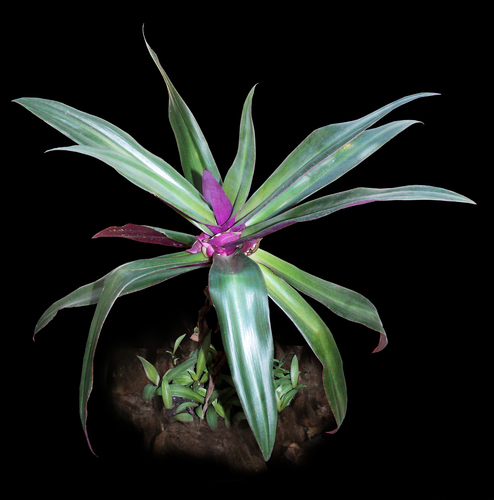
Guida alla cura
Luce
L'ideale è la luce intensa indiretta, e un po' di sole diretto al mattino aiuta a mantenere i colori intensi viola, rosa e argento che rendono la tradescanzia così appariscente. Con luce insufficiente il colore sbiadisce fino al verde e i fusti si allungano. Ideale una finestra esposta a est o a ovest.
Acqua
Durante la stagione di crescita mantenere il terriccio uniformemente umido, lasciando asciugare solo il primo o i primi 2 cm tra un'annaffiatura e l'altra. La tradescanzia sopporta brevi periodi di siccità, ma se resta all'asciutto troppo a lungo i fusti si afflosciano e le punte delle foglie diventano marroni. Ridurre le annaffiature in inverno. Un buon drenaggio è importante: non lasciarla con l'acqua nel sottovaso.
Substrato
Normale terriccio ben drenante con aggiunta di perlite (3:1). La tradescanzia non è esigente sulla composizione del terriccio, purché il drenaggio sia adeguato.
Temperatura e umidità
Ideale 15-25 °C; tollera un'ampia gamma di temperature, anche un po' più fresche. L'umidità normale di casa è sufficiente.
Concimazione
Concimare ogni 2 settimane in primavera ed estate con un concime liquido bilanciato a metà dose. Ridurre in autunno e sospendere in inverno.
Potatura
FONDAMENTALE: cimare le punte dei fusti ogni 2-3 settimane per evitare che si allunghino e mantenere la pianta folta e piena. Senza cimature regolari la tradescanzia diventa disordinata, con fusti spogli e poche foglie solo in punta. Le talee radicano con estrema facilità in acqua o in terriccio umido in 1-2 settimane: moltiplicarla senza timori per tutta la stagione di crescita. Come singola pianta vive relativamente poco (2-3 anni), ma moltiplicandola regolarmente se ne mantiene il vigore all'infinito. Nota: nelle persone sensibili la linfa può irritare la pelle.
Propagazione
Talea
Il metodo più comune per moltiplicare la tradescanzia è la talea di fusto: si taglia un tratto di fusto e lo si fa radicare in acqua o nel terriccio.
Divisione
Alcune specie di tradescanzia si possono moltiplicare per divisione al momento del rinvaso. Assicurarsi prima che la pianta madre sia sana.