Urtica
Urticaceae

Urtica

Ortica
RegnoPlantae
SottoregnoTracheobionta
SuperdivisioneSpermatophyta
DivisioneMagnoliophyta
ClasseMagnoliopsida
OrdineRosales
FamigliaUrticaceae
GenereUrtica
Luce
Medium high
Acqua
Medium high
Specie
1

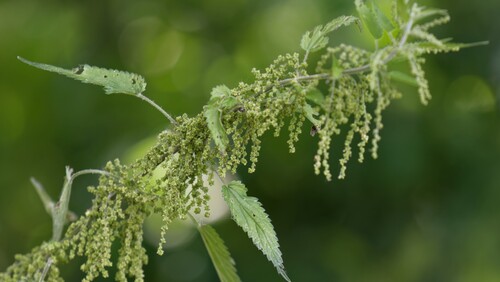
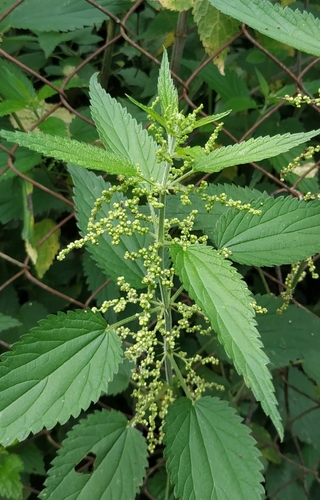
Nettle, commonly referred to as Stinging Nettle, is a hardy perennial herbaceous plant known for its stinging hairs and medicinal properties. The genus Urtica includes around 45 species, with Urtica dioica being the most well-known. Nettles are appreciated for their nutritional value and historical uses in traditional medicine.

Habitat naturale
Nettle species are native to temperate regions across the world, including Europe, Asia, North America, and North Africa. They thrive in nitrogen-rich soils and are often found in disturbed areas such as roadsides, riverbanks, and forest edges. Nettles prefer moist, well-drained soil and can grow in a variety of light conditions from full sun to partial shade.
Storia e cultura
Nettles have been used for centuries in various cultures for their medicinal and nutritional properties. In ancient Greece and Rome, they were utilized to treat ailments such as arthritis and coughs. In Europe, nettles were historically used to make cloth and were a staple in traditional medicine and cuisine.
Utilizzi
Nettles are valued for their high content of vitamins, minerals, and protein. They are commonly used in herbal medicine to treat conditions such as allergies, arthritis, and anemia. Nettles are also used in culinary dishes such as soups, teas, and pesto. Additionally, they are beneficial in gardens as a natural pest repellent and compost activator.
Conservazione
Nettles are widely distributed and not considered endangered. They are often seen as weeds due to their rapid growth and spreading nature. However, their ecological importance and usefulness in various applications make them valuable plants to cultivate and protect.
Urtica dioica
Urtica dioica
Luce

Nettles can grow in full sun to partial shade. They prefer bright, indirect light but can tolerate various light conditions.

Acqua

Keep the soil consistently moist but not waterlogged. Nettles prefer well-drained soil and will thrive with regular watering, especially during dry periods.

Substrato

Nettles prefer rich, fertile soil high in organic matter. They thrive in nitrogen-rich environments and can improve soil fertility over time.

Temperatura e umidità

Nettles are hardy plants that can tolerate a range of temperatures. They thrive in temperate climates and prefer moderate humidity levels.

Concimazione

Nettles generally do not require additional fertilization if grown in nutrient-rich soil. However, they can benefit from the occasional application of compost or organic fertilizer to boost growth.

Potatura

Prune nettles regularly to control their spread and maintain a manageable size. Wear gloves and protective clothing when handling nettles to avoid stings. Remove any yellow or damaged leaves to keep the plant healthy.

Divisione

Nettles can be propagated by division of the rhizomes. This method is effective for controlling their spread and renewing old plants.

1
Dig up a clump of nettles in early spring or fall.
2
Use a sharp spade or knife to divide the rhizomes into smaller sections, each with roots and shoots.
3
Replant the divisions in a prepared bed with well-draining soil, spacing them about 12 inches apart.
4
Water thoroughly and keep the soil moist until the new plants are established.
Semina

Nettles can also be grown from seeds, though this method is less common due to their aggressive spreading nature.

1
Collect seeds from mature nettle plants in late summer or early fall.
2
Sow the seeds in a seed tray or directly in the garden in early spring or fall.
3
Cover the seeds lightly with soil and keep them moist until germination.
4
Transplant the seedlings to their permanent location once they have developed a few sets of leaves.
How often should I water my nettles?
Water your nettles regularly to keep the soil consistently moist but not waterlogged. They prefer well-drained soil and will thrive with regular watering.
Why do nettles sting?
Nettles have stinging hairs that contain histamines and other chemicals. When touched, these hairs inject the chemicals into the skin, causing a stinging sensation and sometimes a rash.
Can nettles be used in cooking?
Yes, nettles are highly nutritious and can be used in various dishes. They are often used in soups, teas, and pesto. Cooking or drying nettles neutralizes the stinging chemicals.