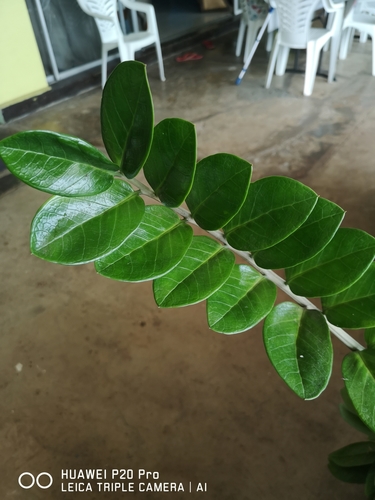
Zamioculcas
| Regno | Plantae |
| Sottoregno | Tracheobionta |
| Superdivisione | Spermatophyta |
| Divisione | Magnoliophyta |
| Classe | Liliopsida |
| Ordine | Alismatales |
| Famiglia | Araceae |
| Sottofamiglia | Aroideae |
| Genere | Zamioculcas |
Zamioculcas zamiifolia, conosciuta semplicemente come zamioculcas, è una pianta da appartamento molto diffusa, nota per le foglie lucide e attraenti e per le poche cure che richiede. Originaria dell'Africa orientale, questa pianta resistente prospera in condizioni molto diverse, ed è per questo una delle preferite sia dai principianti sia dagli appassionati esperti.
Specie e varietà (1)
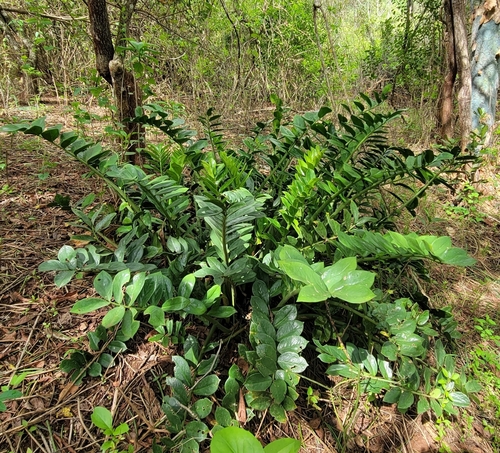
Guida alla cura
Luce
Si adatta a condizioni di luce molto diverse, dalla luce intensa indiretta a uffici piuttosto bui e illuminati solo artificialmente. La zamioculcas è una delle poche piante che prosperano davvero con poca luce ed è una scelta sicura per le stanze buie. Con luce intensa indiretta, però, cresce più in fretta. Il sole diretto intenso brucia e fa ingiallire le foglioline lucide.
Acqua
La zamioculcas accumula acqua in spessi rizomi (strutture sotterranee simili a patate) ed è una delle piante da appartamento più resistenti alla siccità. Lasciare asciugare COMPLETAMENTE il terriccio tra un'annaffiatura e l'altra: l'eccesso d'acqua fa ingiallire le foglie e fa marcire radici e rizomi, ed è la prima causa di morte di questa specie. In estate annaffiare ogni 2-4 settimane; in inverno ogni 4-8 settimane o anche meno. Nel dubbio, aspettare sempre di più.
Substrato
Terriccio per cactacee e succulente ben drenante, oppure terriccio universale mescolato a perlite in parti uguali. I rizomi accumulano così tanta acqua che il substrato deve drenare in fretta per evitare marciumi.
Temperatura e umidità
Molto adattabile: ideale 18-26 °C; tollera 10-35 °C. L'umidità normale di casa va benissimo, senza esigenze particolari.
Concimazione
Concimare una volta in primavera e una volta a inizio estate con un concime liquido bilanciato a metà dose, e basta: la zamioculcas cresce lentamente e non ha bisogno di concimazioni frequenti.
Potatura
Se un fusto ingiallisce, eliminarlo alla base. I nuovi fusti spuntano direttamente dai rizomi sotto terra: la crescita è lenta ma costante. Pulire le foglie lucide con un panno umido per mantenerne la brillantezza. La zamioculcas contiene ossalato di calcio ed è tossica per gatti, cani e persone se ingerita. Lavarsi le mani dopo averla maneggiata.
Propagazione
Divisione
Il metodo più comune per moltiplicare la zamioculcas è la divisione, che consiste nel separare i rizomi al momento del rinvaso. Assicurarsi prima che la pianta madre sia sana.
Talea
La zamioculcas si può moltiplicare anche per talea di foglia, anche se richiede più tempo della divisione.