Dettagli Sicurezza
Non è tossica, ma le trappole possono essere danneggiate se stuzzicate inutilmente.
La pianta carnivora più famosa, nota per le sue trappole a scatto che catturano insetti in frazioni di secondo.
Guida alla cura
Luce
Pieno sole. Richiede almeno 4-6 ore di luce solare diretta al giorno.
Acqua
Usare SOLO acqua distillata, piovana o deionizzata. Il terreno deve essere sempre umido (metodo del sottovaso).
Substrato
Mix di torba bionda di sfagno e perlite (50:50). Mai usare terriccio universale o concimi.
Note
In inverno entra in dormienza obbligatoria: deve stare al freddo (0-10°C) e con meno acqua.
Temperatura e umidità
Cresce al meglio a 20-32 °C in estate. La Dionaea in genere ha bisogno di un riposo invernale fresco, a circa 0-10 °C per 3-4 mesi: è indispensabile se è coltivata all'aperto o esposta al freddo, e senza un riposo annuale la maggior parte delle piante deperisce poco a poco. Apprezza l'umidità alta, ma ha bisogno di una buona circolazione d'aria.
Concimazione
Non aggiungere MAI concime al terriccio: brucia le radici delicate e uccide la pianta. Si nutre da sola catturando insetti: all'aperto li cattura da sé, in casa si può offrire ogni tanto a una trappola un piccolo insetto vivo o reidratato.
Potatura
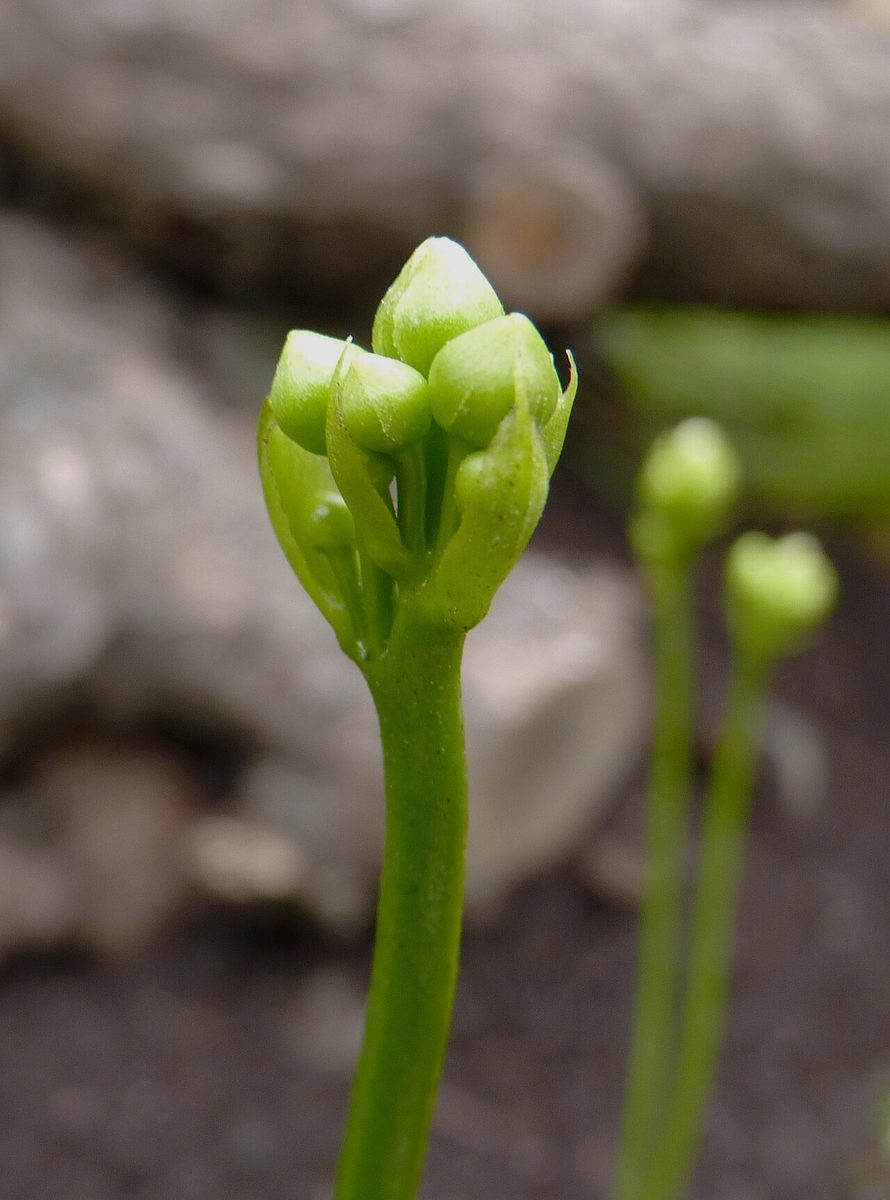
Tagliare alla base le trappole annerite e le foglie secche. La maggior parte dei coltivatori elimina lo stelo floreale, perché la fioritura consuma molte energie. Non far scattare le trappole per gioco: ogni trappola si chiude solo un numero limitato di volte prima di morire.