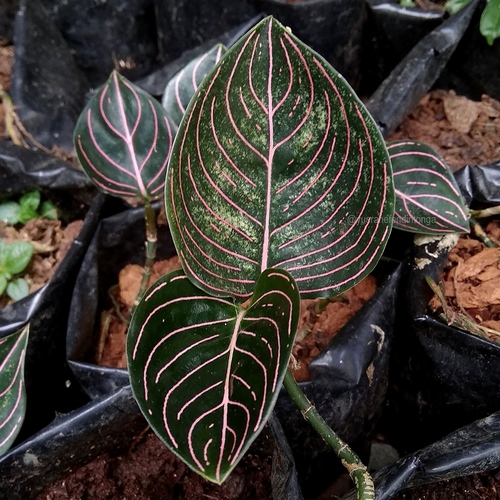
Aglaonema rotundum
Aglaonema rotundum è un aroide tropicale sempreverde della famiglia Araceae (aglaonema cinese), coltivato per il fogliame decorativo; la linfa contiene ossalato di calcio.
Guida alla cura
Luce
L'aglaonema è una delle piante da appartamento più adattabili alle condizioni di scarsa luminosità — prospera davvero dove altre piante faticano. Le varietà a foglie verde scuro (es. Aglaonema Maria) tollerano la luce più bassa. Le forme variegate e colorate (rosse, rosa, argentate) richiedono luce indiretta più intensa per mantenere la colorazione. Evitare il sole diretto per tutte le varietà: brucia le foglie.
Acqua
Lasciare asciugare i 3–4 cm superficiali del substrato tra un'annaffiatura e l'altra, quindi annaffiare abbondantemente. L'aglaonema tollera periodi di siccità molto meglio dell'eccesso d'acqua. Foglie gialle e fusti molli indicano marciume da ristagno idrico. Ridurre la frequenza significativamente in inverno. Usare acqua a temperatura ambiente: l'acqua fredda chocca le radici.
Substrato
Miscela ben drenante con aggiunta di perlite (3:1). Un terriccio universale con buon drenaggio è sufficiente. pH leggermente acido (5.5–6.5).
Temperatura e umidità
Temperatura ottimale 18–27 °C; minimo 13 °C. Sensibile al freddo — evitare temperature sotto 10 °C e correnti d'aria fredda (causa chiazze di scolorimento pallido sulle foglie). L'umidità standard degli interni è adeguata; un'umidità più elevata favorisce una crescita più vigorosa.
Concimazione
Concimare mensilmente in primavera e in estate con un fertilizzante liquido bilanciato a mezza dose. Sospendere in autunno e in inverno. Una concimazione leggera è sufficiente.
Potatura
Eliminare le foglie vecchie o ingiallite alla base. L'aglaonema è estremamente longeva e tollerante della trascuratezza — è una scelta eccellente per principianti, uffici e situazioni a bassa manutenzione. Contiene ossalato di calcio: tossica per gatti e cani.
Propagazione
Divisione
Il metodo più comune per moltiplicare l'Aglaonema è la divisione, che consiste nel separare rizomi o tuberi al momento del rinvaso. Assicurarsi prima che la pianta madre sia sana.
Polloni / figli
Alcune specie di Aglaonema producono polloni, che si possono separare dalla pianta madre e invasare singolarmente.