Sansevieria trifasciata

Sansevieria trifasciata

Snake Plant · Mother-in-Law's Tongue · Viper's Bowstring Hemp · Saint George's Sword
☀️
Luce
Low
💧
Acqua
Low
Sicuro per animali
RegnoPlantae
SottoregnoTracheobionta
SuperdivisioneSpermatophyta
DivisioneMagnoliophyta
ClasseLiliopsida
OrdineAsparagales
FamigliaAsparagaceae
SottofamigliaNolinoideae
GenereSansevieria
SpecieSansevieria trifasciata

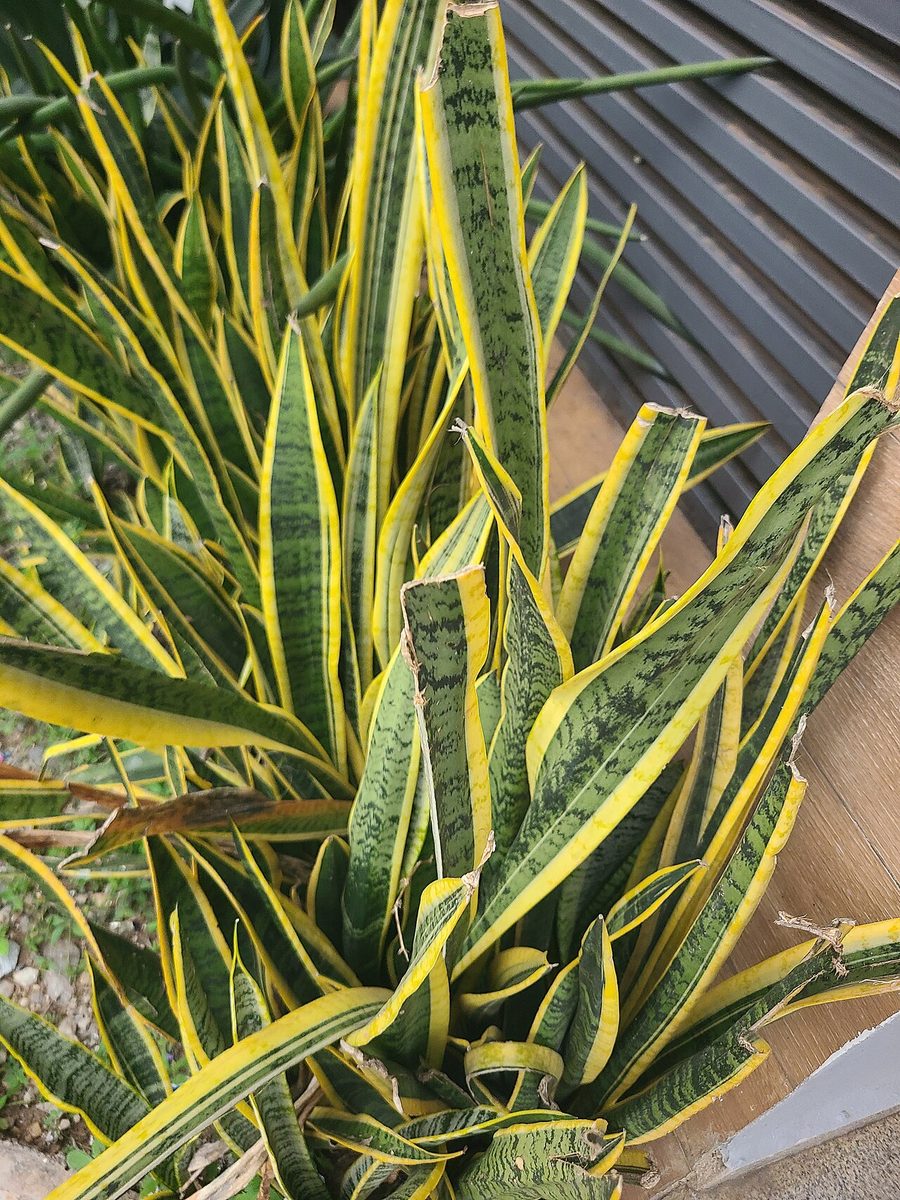
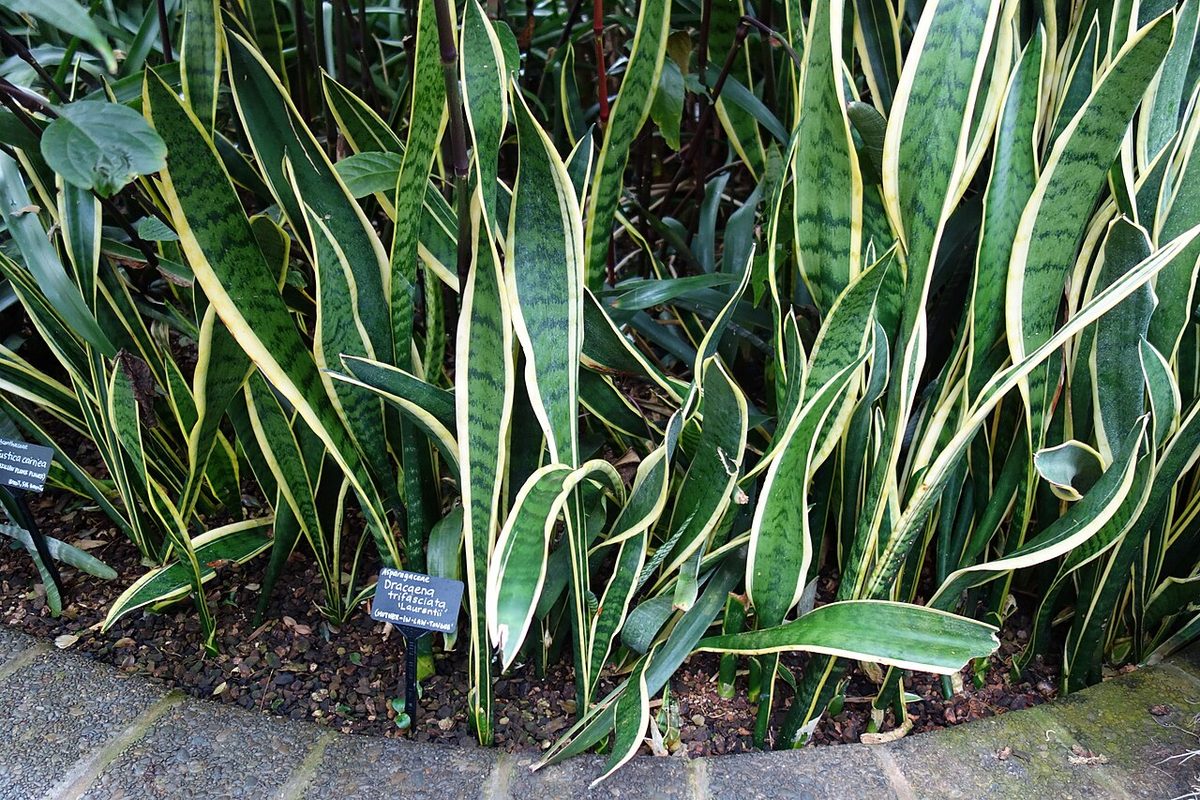
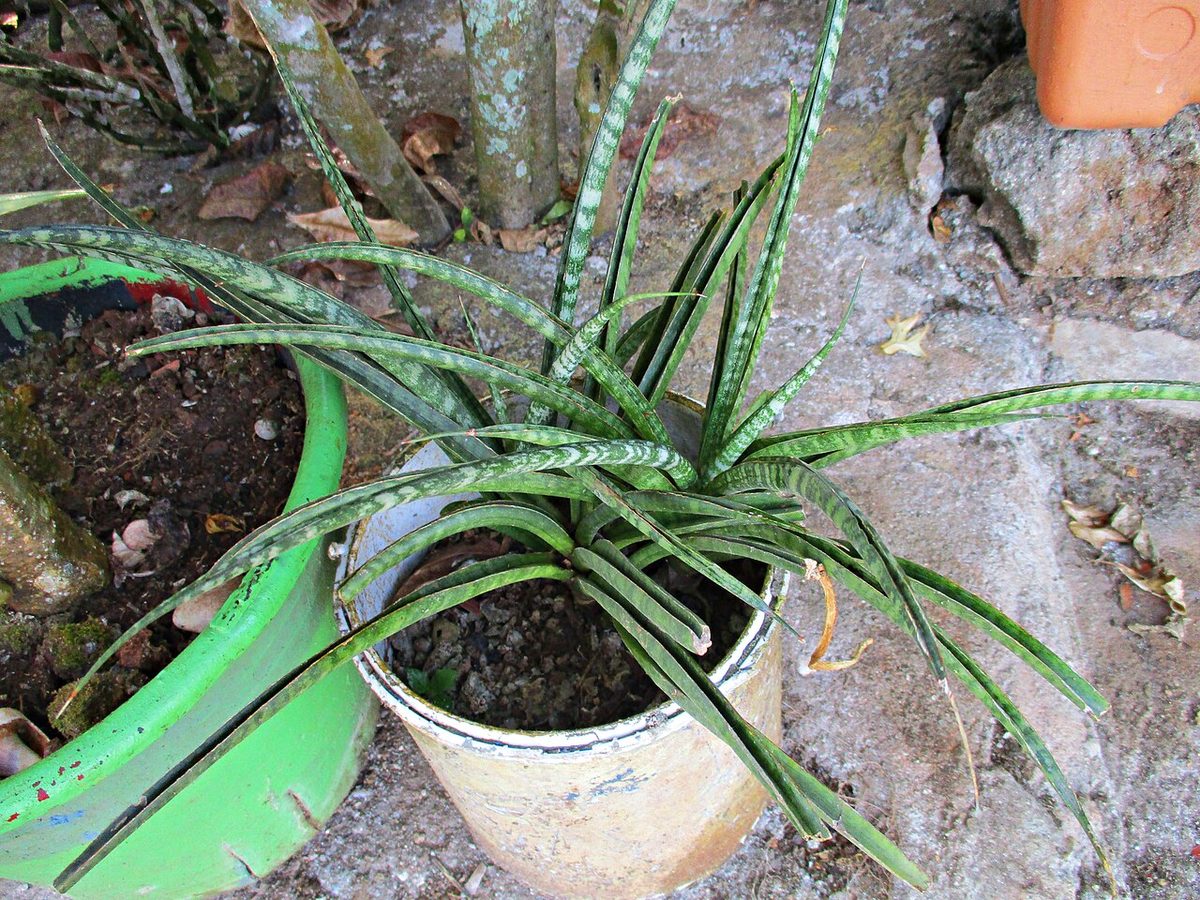
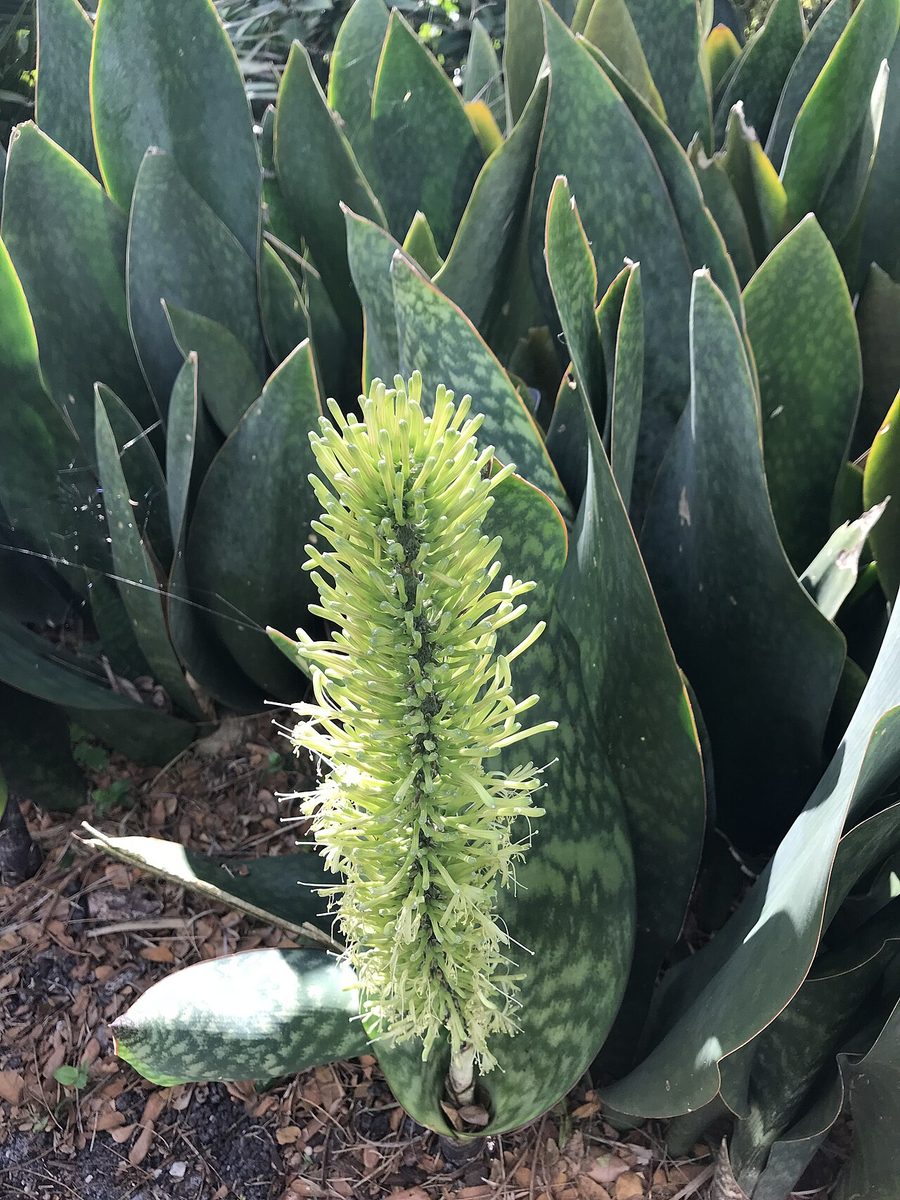
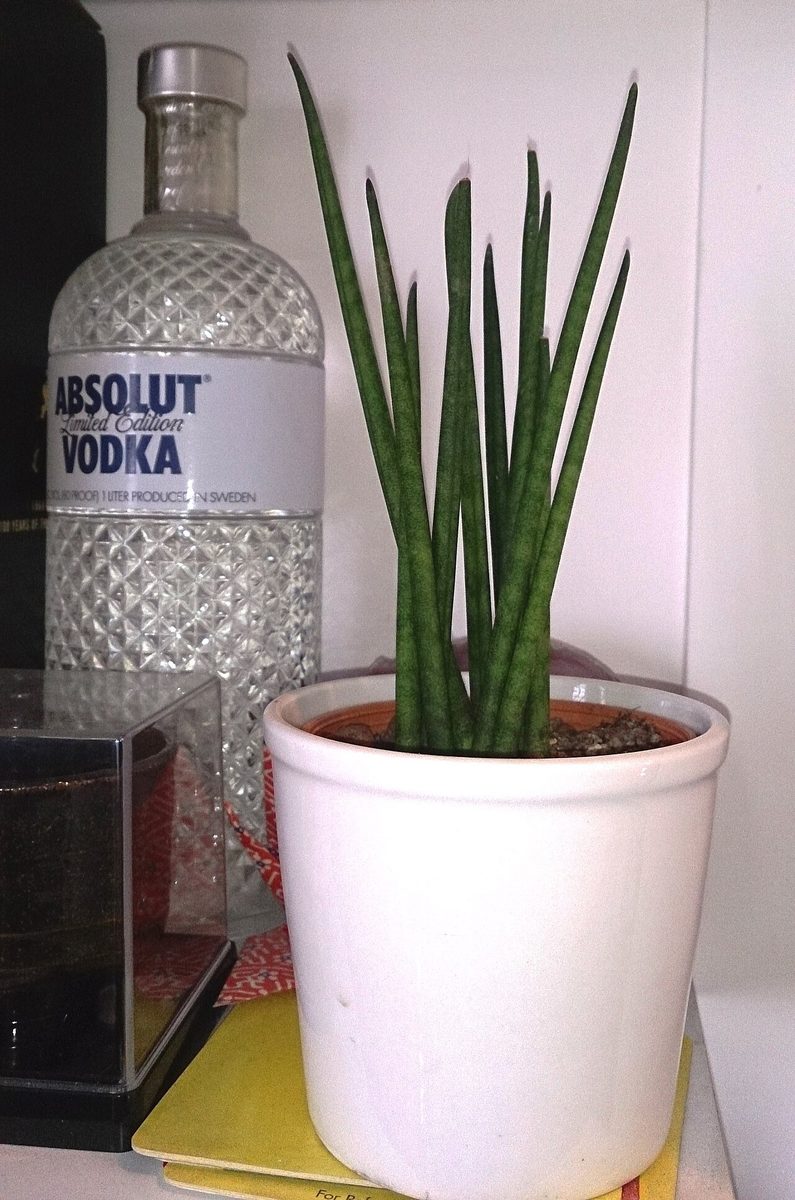
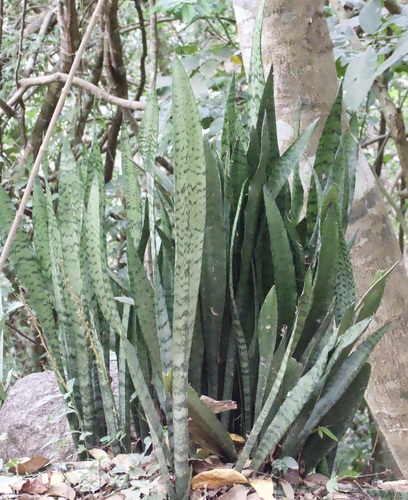
Snake Plant, also known as Sansevieria or Mother-in-Law's Tongue, is a hardy and versatile houseplant appreciated for its easy care and striking appearance. With around 70 species, Snake Plants display a variety of leaf shapes, sizes, and colors, making them popular in both home and office settings.

Habitat naturale
Snake Plants are native to tropical and subtropical regions of West Africa, including Nigeria and the Congo. They are adapted to survive in harsh environments, often found in rocky, arid regions with poor soil. These plants are known for their ability to withstand neglect and thrive in a variety of conditions, including low light and drought.
Storia e cultura
Snake Plants have been valued for centuries in various cultures. In African folklore, they are believed to bring good luck and protect against evil spirits. Historically, the fibers of some species were used to make bowstrings, leading to the name "Viper's Bowstring Hemp." Today, Snake Plants are celebrated for their air-purifying qualities, as recognized by NASA's Clean Air Study.
Utilizzi
Snake Plants are widely grown for their ornamental value and air-purifying properties. Their upright, sword-like leaves make them a stylish addition to modern interiors. Due to their low maintenance needs, they are ideal for busy individuals and beginners. The plant’s ability to tolerate low light and infrequent watering further enhances its appeal as a houseplant.
Conservazione
Most Snake Plant species are not considered threatened and are commonly cultivated around the world. However, preserving their natural habitats is essential to maintain biodiversity and protect the ecosystems where these plants naturally occur.
Luce

Adapts to virtually any indoor light condition — from bright indirect light to quite deep shade and even rooms lit only by artificial light. Survives in low light but grows very slowly. Bright indirect light produces faster growth and more vivid leaf patterning. Some direct sun is tolerated. Extremely adaptable — one of the most forgiving houseplants for low-light situations.

Acqua

Snake Plant (Dracaena trifasciata, formerly Sansevieria) is one of the most drought-tolerant houseplants. Allow the soil to dry out COMPLETELY between waterings — the rhizomes store substantial water reserves. In summer, this typically means every 2–6 weeks depending on temperature; in winter, potentially every 6–8 weeks or even less. Overwatering causes the base of the leaves to soften and rot — the single most common way this plant is killed. When in doubt, wait another week.

Substrato

Fast-draining cactus/succulent mix or standard potting compost mixed 50:50 with perlite. Drainage is critical — never use moisture-retaining mixes. Terracotta pots help soil dry faster.

Temperatura e umidità

Very adaptable: optimal 18–27 °C; tolerates down to 10 °C. Sensitive to frost. Standard indoor humidity is fine — no special humidity requirements.

Concimazione

Feed once in spring and once in early summer with a balanced liquid fertilizer at half strength. No more than twice per year. Over-fertilizing weakens the plant.

Potatura

Remove individual leaves that are fully damaged or browning at the base by cutting them close to the soil. Use fluoride-free water where possible to prevent brown tips. Snake Plant is toxic to cats and dogs (saponins) — keep away from pets. Propagate by leaf sections (place 5–8 cm sections in dry compost) or by dividing the rhizomes.

Divisione

The most common method for propagating Snake Plants is by division. This involves separating the rhizomes during repotting. Ensure the parent plant is healthy before proceeding.

1
Carefully remove the plant from its pot and gently shake off excess soil to expose the roots.
2
Locate natural divisions in the root ball where new shoots are emerging.
3
Use a sharp, sterilized knife to cut the rhizomes, ensuring each division has at least one shoot and some roots.
4
Plant each division in a separate pot with well-draining soil, water thoroughly, and place in bright, indirect light.
Talea

Snake Plants can also be propagated using leaf cuttings. This method is slower but effective.

1
Cut a healthy leaf into sections, each about 3-4 inches long.
2
Let the cuttings dry for a day to callous over.
3
Plant the cuttings in a well-draining potting mix, burying the bottom inch of each cutting.
4
Water lightly and place in a warm, bright location with indirect light.
cultivar
Sansevieria 'Black Gold'
cultivar
Sansevieria 'Golden Hahnii'
cultivar
Sansevieria 'Silver Queen'
species
Sansevieria bacularis
species
Sansevieria cylindrica
species
Sansevieria ehrenbergii
species
Sansevieria kirkii
species
Sansevieria masoniana
species
Sansevieria patens
species
Sansevieria trifasciata
cultivar
Sansevieria trifasciata 'Laurentii'
cultivar
Sansevieria trifasciata 'Moonshine'
How do I know when to water my Snake Plant?
When the soil is completely dry from top to bottom (check by pushing a finger or chopstick to the bottom of the pot) and the leaves feel very slightly less firm than usual. In summer, this is typically every 2–4 weeks; in winter, every 6–8 weeks. It is always better to wait one more week than to water too soon.
Why is the base of my Snake Plant leaves soft and mushy?
This is root rot from overwatering — the most common cause of death in this species. Remove the plant from the pot, trim all mushy roots and damaged leaf bases, allow to dry for 24–48 hours, then repot in fresh, dry well-draining mix. Water only when completely dry going forward.
Is Snake Plant toxic to pets?
Yes. Dracaena trifasciata (formerly Sansevieria) contains saponins that cause vomiting, nausea and diarrhoea in cats and dogs. Keep out of reach of pets.