Chlorophytum comosum
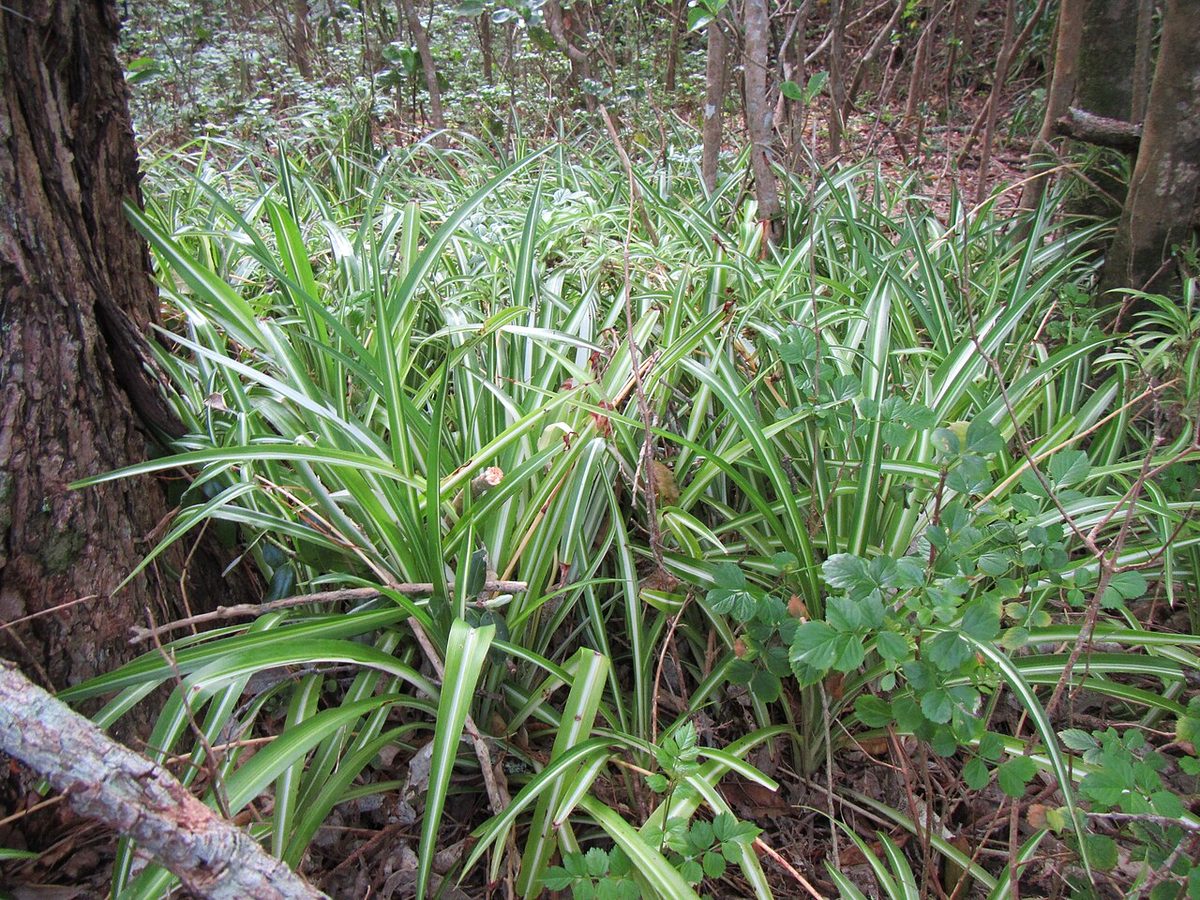
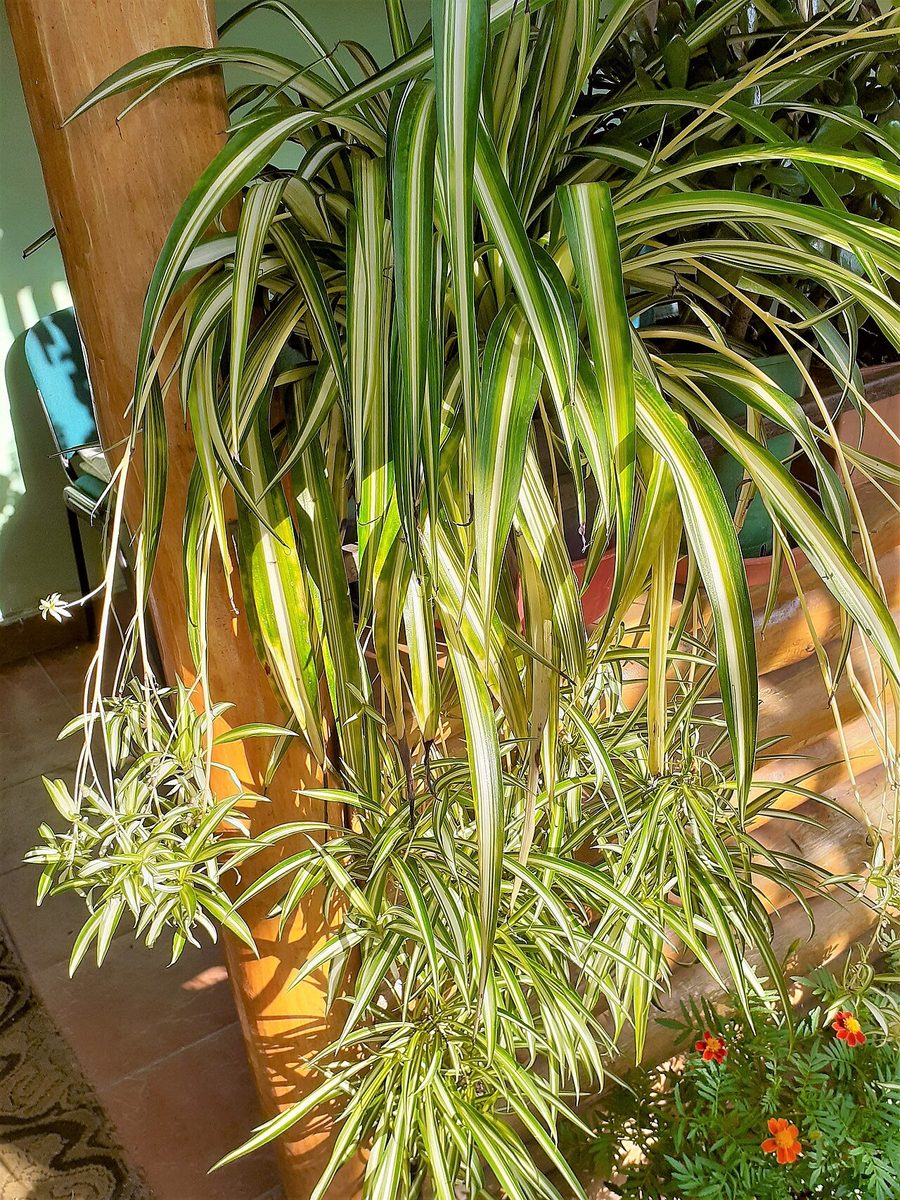
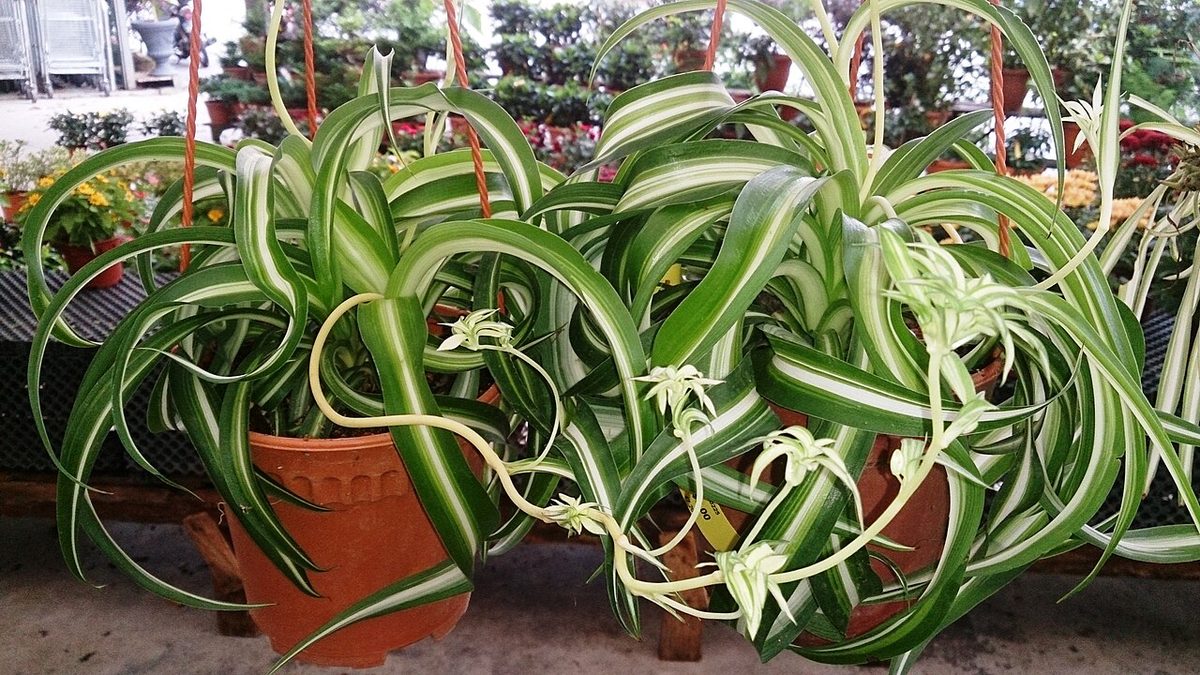
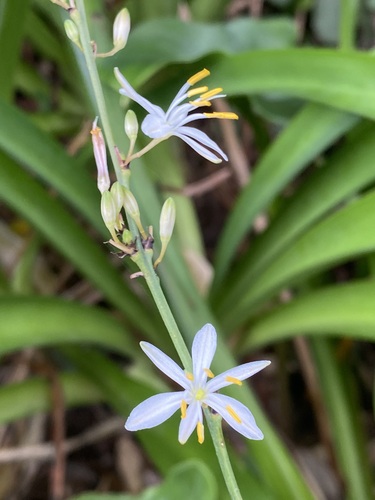
Il falangio (Chlorophytum comosum), detto anche clorofito, è una pianta da appartamento molto diffusa e versatile, nota per la facilità di coltivazione e per le qualità depurative che le vengono attribuite. Ha lunghe foglie arcuate, di solito verdi con variegature bianche o gialle. Si coltiva spesso in cestini sospesi, da cui pendono in modo decorativo le caratteristiche piantine figlie.
Guida alla cura
Luce
Si adatta a condizioni di luce molto diverse: con luce intensa indiretta cresce più in fretta e produce più piantine figlie; la luce media basta per un fogliame sano. Il sole diretto forte scolorisce e fa seccare le foglie. Le forme variegate (le più comuni) mantengono meglio il contrasto con più luce.
Acqua
Lasciare asciugare i primi 3-4 cm di terriccio tra un'annaffiatura e l'altra, poi annaffiare abbondantemente. Il falangio accumula acqua nelle radici carnose (tuberi) e sopporta abbastanza bene la siccità, ma non va lasciato completamente all'asciutto a lungo. Il fluoro dell'acqua del rubinetto è una causa comune delle punte marroni: se possibile usare acqua piovana o distillata. Non lasciare acqua nel sottovaso.
Substrato
Normale terriccio ben drenante con un po' di perlite. Il falangio si adatta a quasi tutti i substrati, ma preferisce un buon drenaggio.
Temperatura e umidità
Ideale 13-24 °C; tollera temperature un po' più fresche. Minimo 7 °C (per breve tempo sopporta anche gelate leggere). L'umidità normale di casa è sufficiente, anche se con più umidità le punte seccano meno.
Concimazione
Concimare ogni 2 settimane in primavera ed estate con un concime liquido bilanciato a metà dose. Non eccedere: il troppo azoto dà una crescita rigogliosa ma impedisce la formazione di stoloni e piantine figlie.
Potatura
Lasciare gli stoloni (i lunghi steli arcuati) sulla pianta finché le piantine figlie in punta non sviluppano piccole radici. A quel punto staccarle e invasarle singolarmente in terriccio umido, oppure farle radicare prima in un bicchiere d'acqua: è un modo facilissimo per moltiplicarlo. Eliminare alla base le foglie completamente secche. Il falangio non è tossico per cani e gatti, ed è quindi un'ottima scelta per chi ha animali.
Propagazione
Polloni / figli
Il metodo più comune per moltiplicare il falangio è usare le piantine figlie che si sviluppano dalla pianta principale.
Divisione
I falangi adulti si possono moltiplicare dividendo il cespo di radici.
Cultivar e varietà (5)