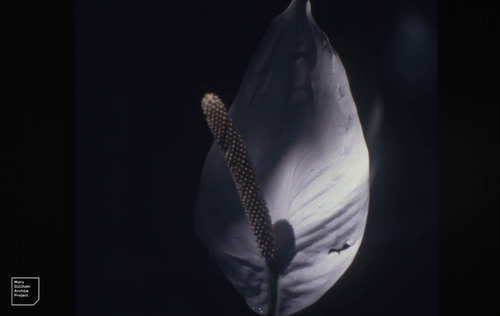
Spathiphyllum patinii
Spathiphyllum patinii è una pianta erbacea perenne tropicale sempreverde della famiglia delle Araceae, coltivata per le sue foglie lucide e le spate bianche; la linfa contiene ossalato di calcio.
Guida alla cura
Luce
Tra le piante da fiore da interno più tolleranti alla scarsa luminosità — il giglio della pace sopravvive in ambienti piuttosto bui, ma produce fiori solo in luce indiretta da moderata a intensa. Una posizione a 2–3 metri da una finestra è sufficiente per il fogliame; avvicinarsi alla finestra per ottenere la fioritura. Non esporre mai al sole diretto — brucia rapidamente.
Acqua
Il giglio della pace comunica la sua sete in modo inequivocabile: quando necessita di acqua, le foglie si abbassano vistosamente. È un segnale affidabile e incorporato — intervenire entro poche ore dalla comparsa e la pianta si riprenderà completamente entro 30 minuti dall'innaffiatura. L'obiettivo è annaffiare prima che arrivi a questo stadio. Mantenere il substrato moderatamente umido; annaffiare quando i primi 2–3 cm risultano asciutti. Non lasciare mai la pianta in ristagno d'acqua. Il giglio della pace è sensibile al fluoro — usare acqua piovana o filtrata se le punte delle foglie ingialliscono.
Substrato
Terriccio universale con aggiunta di perlite (3:1). Trattiene l'umidità garantendo un buon drenaggio. pH leggermente acido (5,5–6,5) è ideale.
Temperatura e umidità
Ottimale 18–27 °C; minimo 13 °C. Sensibile alle correnti d'aria fredda e all'aria condizionata — le foglie sviluppano striature gialle o marroni. Un'umidità da moderata ad alta (50–60%) favorisce un fogliame più sano e lucido.
Concimazione
Concimare mensilmente in primavera e in estate con un fertilizzante liquido bilanciato a mezza dose. Evitare la fertilizzazione eccessiva — un eccesso di fertilizzante causa punte fogliari marroni e inibisce la fioritura.
Potatura
Rimuovere alla base i fiori appassiti e i loro steli una volta che diventano verdi e poi marroni. Eliminare le foglie gialle alla base. Il giglio della pace depura naturalmente l'aria interna da comuni inquinanti. Tossica: tutte le parti contengono ossalato di calcio, nocivo per gatti, cani e persone se ingerito. Tenere lontano dagli animali domestici.
Propagazione
Divisione
Il metodo più comune per moltiplicare lo spatifillo è la divisione, che consiste nel separare i rizomi al momento del rinvaso. Assicurarsi prima che la pianta madre sia sana.
Polloni / figli
Alcune specie di spatifillo producono polloni, che si possono separare dalla pianta madre e invasare singolarmente.